Remember when celebrities used to disappear for months after a messy split, emerging only when they were "ready to talk"? Those days are dead and buried — and frankly, so is any pretense that heartbreak happens in private anymore. Welcome to the era where your relationship status is your marketing strategy, and your breakup is your album rollout.
When Timing Gets Too Perfect
Let's talk about the elephant in the recording studio: the uncanny timing between celebrity splits and major releases. Taylor Swift has turned this into an art form, with each relationship seemingly timed to perfection for her album cycles. The Joe Alwyn breakup whispers started circulating just as The Tortured Poets Department was entering its final production phases. Coincidence? In Hollywood, nothing ever is.
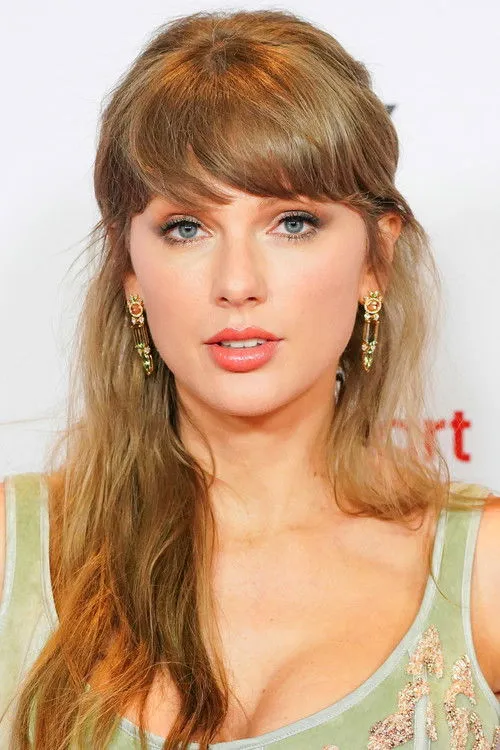 Photo of Taylor Swift, via TMDB
Olivia Rodrigo's meteoric rise followed a similar playbook. Her very public Joshua Bassett situation played out like a three-act drama perfectly timed for Sour's release cycle. The heartbreak was real, sure, but the way it was packaged and delivered to maximize cultural impact? That's pure industry genius.
 Photo of Olivia Rodrigo, via TMDB
"The lines between authentic emotion and strategic narrative have completely blurred," says a former label executive who spoke on condition of anonymity. "Artists and their teams are absolutely considering how personal drama can serve their professional goals. It's not cynical — it's survival in an attention economy."
The Science of Strategic Suffering
Here's what most people don't realize: the most successful "breakup albums" aren't just about the music — they're about creating a multimedia narrative that spans months. Social media posts get cryptic. Paparazzi shots become more frequent. Friends start doing strategic interviews. By the time the album drops, fans feel like they've lived through the relationship alongside their favorite artist.
Ariana Grande mastered this with Thank U, Next, turning her very public splits from Pete Davidson and others into a cultural moment that transcended music. The album wasn't just songs — it was a complete emotional journey that fans could project their own experiences onto. The result? A number-one debut and a Grammy nomination.
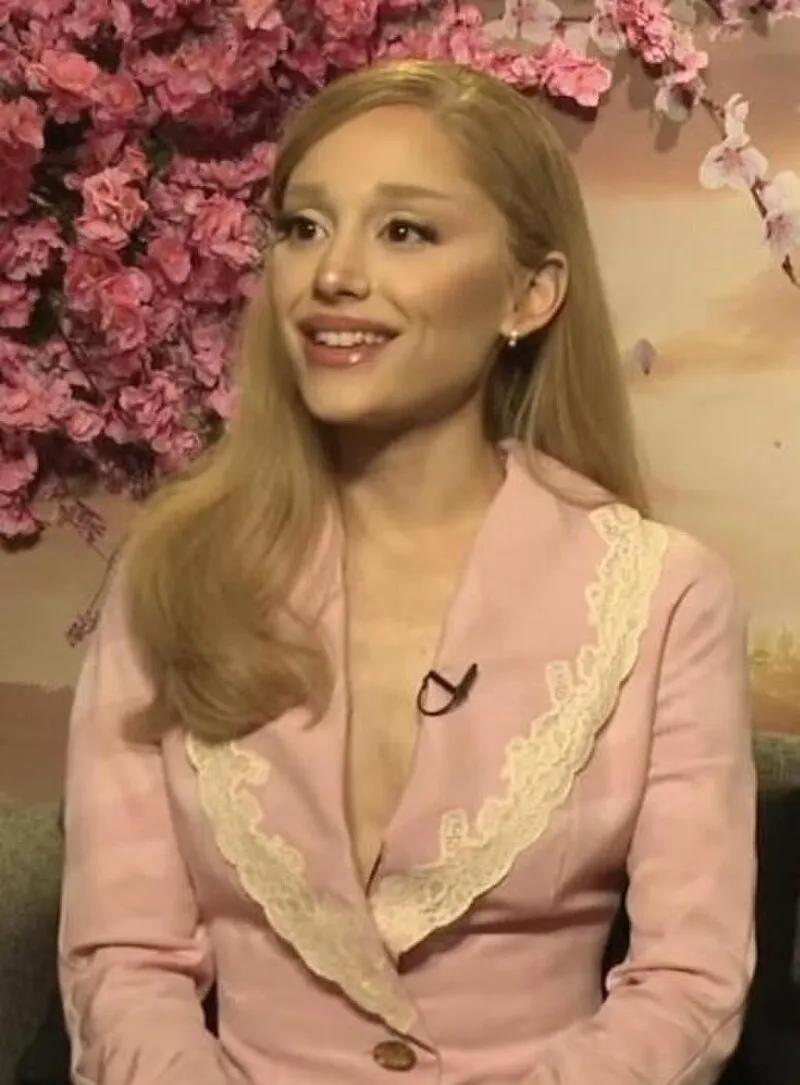 Photo of Ariana Grande, via Wikidata/Wikimedia Commons
But here's where it gets interesting: industry insiders say this isn't always calculated from the start. Sometimes real heartbreak happens, and teams pivot to maximize the narrative potential. "You can't manufacture genuine emotion," explains a prominent music publicist, "but you can absolutely strategize around how to present it."
The Publicity Machine Behind Private Pain
What does "narrative seeding" actually look like in practice? It starts subtle — maybe a few Instagram stories that feel slightly off-brand. Sources close to the artist start whispering to the right journalists. Blind items appear on gossip sites. By the time the official announcement comes, the story has been marinating in the public consciousness for weeks.
"The goal is to create investment before revelation," says a crisis communications expert who has worked with A-list musicians. "When people feel like they discovered the story themselves, they're more emotionally invested in the outcome."
This strategy explains why so many major artists seem to have their most public relationship drama right before their biggest career moves. It's not that they're more dramatic — it's that drama, when properly managed, translates directly to engagement, streams, and sales.
When Art Becomes Algorithm
The uncomfortable truth is that heartbreak sells, and everyone in the industry knows it. Streaming platforms have entire playlists dedicated to breakup songs. Social media algorithms favor emotional content. The music industry has essentially gamified human suffering, turning genuine pain into chart positions.
"There's definitely pressure to mine your personal life for content," admits a songwriter who has worked with several major pop stars. "Labels want authenticity, but they also want it packaged in a way that drives numbers. It's a weird balance."
The most successful artists have learned to thread this needle perfectly. They give enough real emotion to feel authentic while maintaining enough control to protect their actual privacy. It's performance art masquerading as vulnerability — and audiences can't get enough.
The Cost of Commodified Heartbreak
But what happens when your pain becomes your brand? Several industry veterans worry about the long-term psychological impact of turning every relationship into potential content. "You start to wonder if you're staying in bad situations because they're good for your career, or leaving good ones because they're boring," says one artist manager.
There's also the question of authenticity. When breakup albums become so formulaic — the cryptic social media, the strategic timing, the carefully orchestrated "candid" moments — do they lose their emotional impact? Are we reaching peak breakup album saturation?
The Future of Strategic Suffering
As audiences become more media literate, the breakup album pipeline might need to evolve. Some artists are already experimenting with different approaches — being upfront about the strategic elements while maintaining emotional honesty. Others are pushing back against the expectation entirely, choosing to keep their personal lives genuinely private.
The real question isn't whether celebrities should turn their pain into profit — that's been happening since the dawn of entertainment. The question is whether we, as consumers, can appreciate the artistry while acknowledging the machinery behind it.
Because at the end of the day, even the most strategically timed heartbreak started with real human emotion — and maybe that's what makes it so powerful, and so profitable, in the first place.