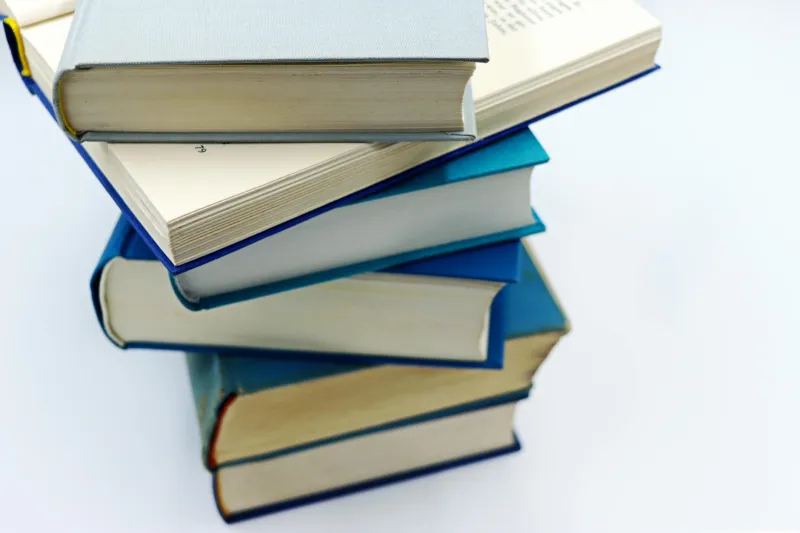
Walk into any Barnes & Noble and you'll spot them immediately: glossy picture books with famous faces beaming from the back covers, promising heartwarming tales about friendship, self-acceptance, or talking animals with suspiciously celebrity-adjacent names. Welcome to the booming world of celebrity children's literature, where Hollywood's biggest names are suddenly discovering their inner Maurice Sendak.
 Photo: Barnes & Noble, via c8.alamy.com
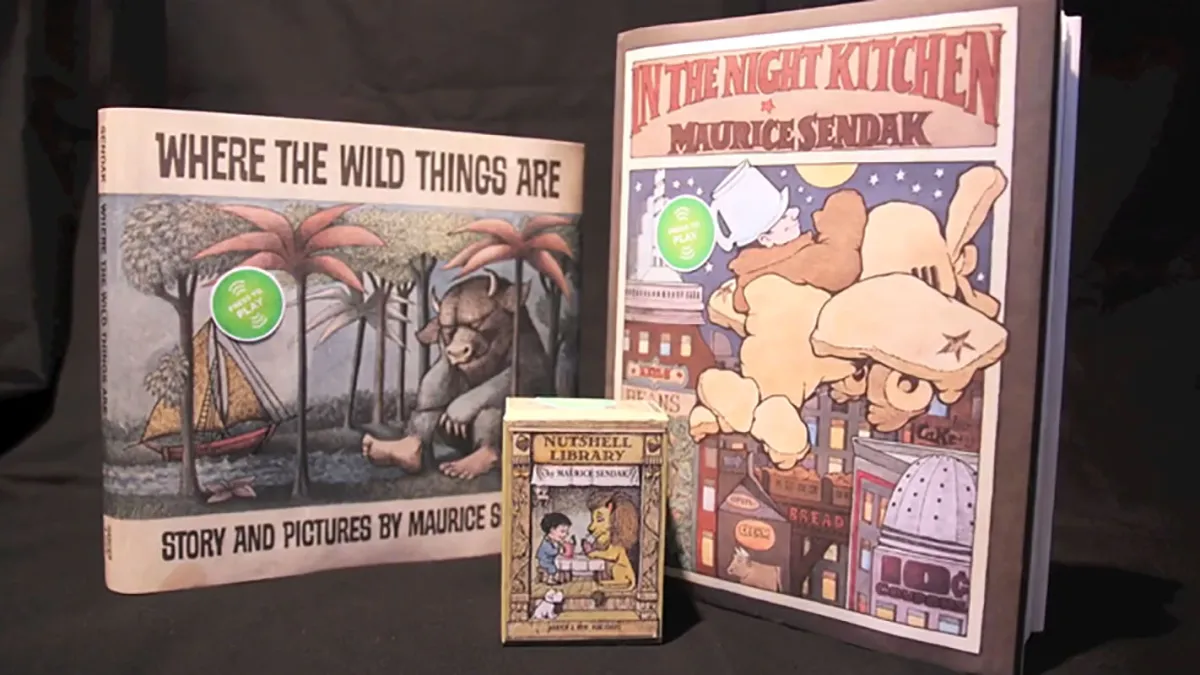 Photo: Maurice Sendak, via whatscookin.com
The Pipeline Is Real
The celebrity-to-children's-book pipeline isn't new, but it's reached industrial levels in recent years. Madonna gave us "The English Roses" series in the early 2000s. Jimmy Fallon has churned out multiple bestselling picture books including "Your Baby's First Word Will Be DADA" and "Everything Is Mama." LeAnn Rimes contributed "Jag" and "What I Cannot Change." Even Julianne Moore, Jamie Lee Curtis, and Dolly Parton have thrown their hats into the kidlit ring.
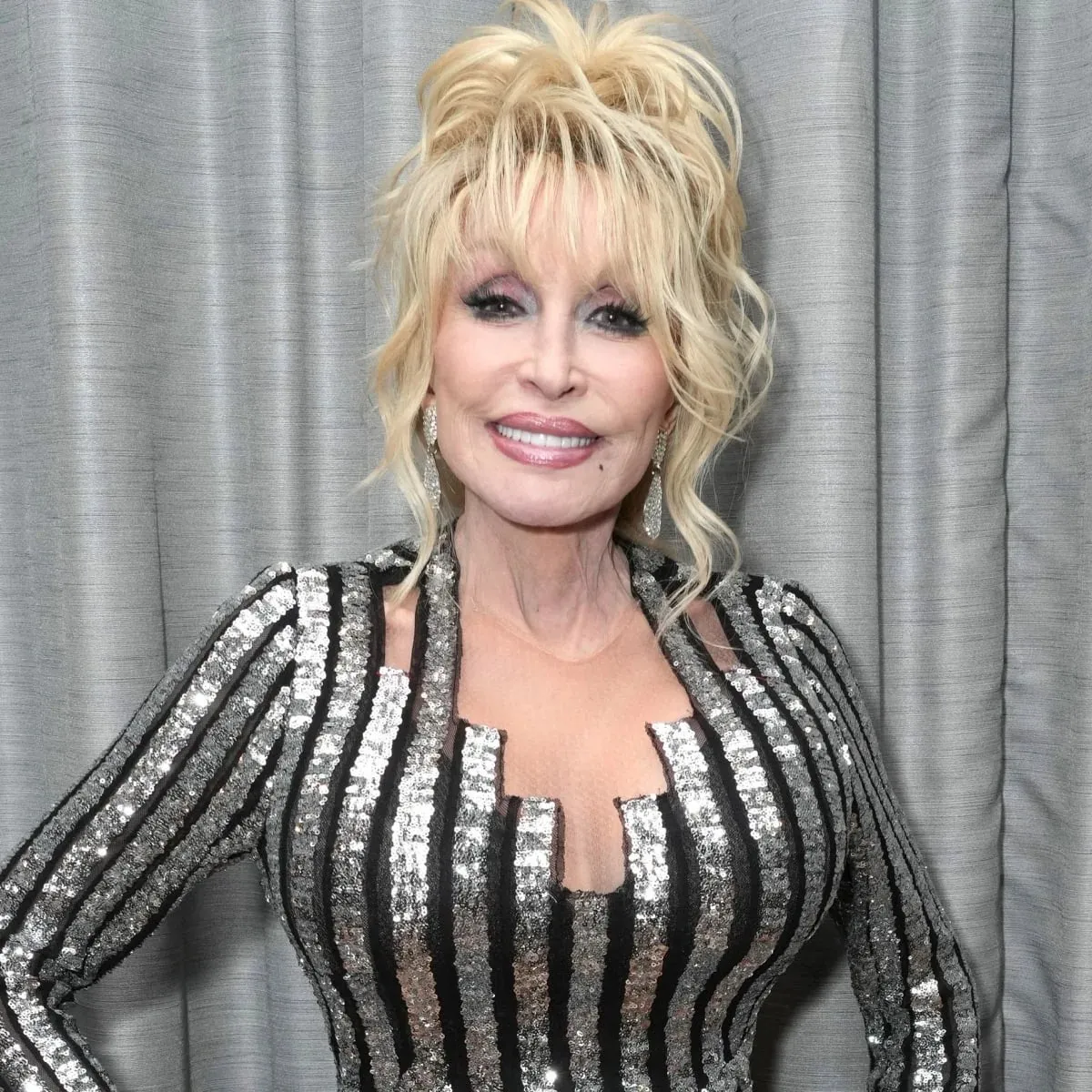 Photo: Dolly Parton, via i0.wp.com
The pattern is unmistakable: celebrity gets famous, celebrity has kids (or doesn't), celebrity suddenly feels called to share wisdom with the world's children through the medium of 32-page illustrated stories. It's like clockwork, except the clock is powered by publicity teams and publishing deals.
The Numbers Don't Lie
Here's what makes this trend particularly eyebrow-raising: these books often debut on bestseller lists not because they're literary masterpieces, but because they come with built-in marketing machines. When Jimmy Fallon releases a children's book, he's got "The Tonight Show" as his personal promotional platform. When a pop star writes about self-love for kids, their millions of Instagram followers become instant potential customers.
Publishing houses know this math well. A celebrity children's book is almost guaranteed shelf space at major retailers, media coverage, and sales numbers that would make unknown authors weep into their rejection letters. It's a formula that works so consistently that publishers actively court celebrities, sometimes approaching them with book concepts rather than waiting for organic inspiration to strike.
The Ghostwriter Question
Let's address the elephant in the room: how many of these celebrities are actually writing their own books? The publishing industry is notoriously tight-lipped about ghostwriting arrangements, but industry insiders suggest the practice is more common than fans might hope.
Some celebrities are transparent about collaboration. Others list co-authors or "with" credits that hint at significant help. But plenty of celebrity children's books credit only the famous name, leaving readers to wonder whether their favorite star really crafted those rhyming couplets about sharing toys or whether a professional children's writer did the heavy lifting while the celebrity provided the concept and star power.
The Quality Question
Here's where things get interesting: some celebrity children's books are actually good. Jamie Lee Curtis's "Today I Feel Silly" has genuine charm and deals thoughtfully with emotions. Dolly Parton's "Coat of Many Colors" draws from her personal history with authenticity that resonates. Julie Andrews has leveraged her background in children's entertainment to create books that feel genuine rather than opportunistic.
But for every success story, there are picture books that feel like vanity projects wrapped in good intentions. Books where the celebrity's personal brand overshadows any meaningful message, or where the story feels like it was reverse-engineered from a marketing meeting: "What if we made a book about being different, but make it about a unicorn who wants to be a regular horse?"
The Publishing Industry's Role
Publishers aren't innocent bystanders in this trend. The children's book market is incredibly competitive, with thousands of titles published each year fighting for attention from parents, teachers, and librarians. A celebrity name on the cover cuts through that noise instantly.
This creates a problematic cycle: shelf space that could go to unknown authors with genuinely innovative stories instead goes to celebrity projects that may or may not have the same literary merit. Independent bookstores and librarians often find themselves in the position of promoting books because they're popular, not because they're particularly well-crafted.
The Cultural Impact
What does it say about our culture that we assume celebrities are qualified to guide children's moral and emotional development just because they're famous? There's something simultaneously sweet and concerning about the assumption that fame translates to wisdom worth packaging for the next generation.
On one hand, when celebrities use their platforms to promote literacy and reading, that's genuinely positive. Kids who might not otherwise be excited about books could discover a love of reading through a story by someone they admire.
On the other hand, the celebrity children's book trend reflects our broader cultural obsession with fame as qualification. We see it everywhere: celebrities launching beauty lines, wellness brands, and now moral guidance for children, often with minimal relevant expertise beyond their public platform.
The Fan Response
Parents and kids seem largely unbothered by questions about authenticity or literary merit. Celebrity children's books consistently perform well commercially, suggesting that for many families, the star power is part of the appeal. There's something comforting about bedtime stories from familiar faces, even if those faces are better known for red carpet appearances than literary prowess.
Social media has amplified this dynamic, with parents posting photos of their kids reading celebrity-authored books, creating a secondary layer of social proof that drives more sales.
What Comes Next
The celebrity children's book pipeline shows no signs of slowing down. If anything, it's expanding as more platforms emerge for celebrities to connect directly with audiences and as publishers continue to see reliable returns on celebrity-authored projects.
The question isn't whether this trend will continue—it will—but whether the industry will find ways to balance commercial appeal with genuine literary value.
Perhaps the real test isn't whether celebrities should write children's books, but whether they're willing to put in the work to make them actually good. Because at the end of the day, kids deserve stories that inspire and delight them, whether those stories come from unknown authors pouring their hearts onto the page or from celebrities who've discovered that fame comes with the responsibility to create something meaningful.
The jury's still out on whether Hollywood's latest literary ambitions will stand the test of time, but one thing's certain: picture books will never be the same.