The Celebrity 'I Wrote a Cookbook' Grift: When Fame Gets Mistaken for a Culinary Degree
Gwyneth Paltrow wants you to drink bone broth for breakfast. Kourtney Kardashian thinks you need her "wellness" recipes that cost $47 per serving to make at home. And somewhere in the Hollywood Hills, another model-turned-mogul is photographing herself pretending to chop vegetables for her upcoming "lifestyle cookbook" that will inevitably feature recipes like "Truffle Oil Quinoa Bowl" and "Adaptogenic Smoothie Bowl with Locally Sourced Everything."
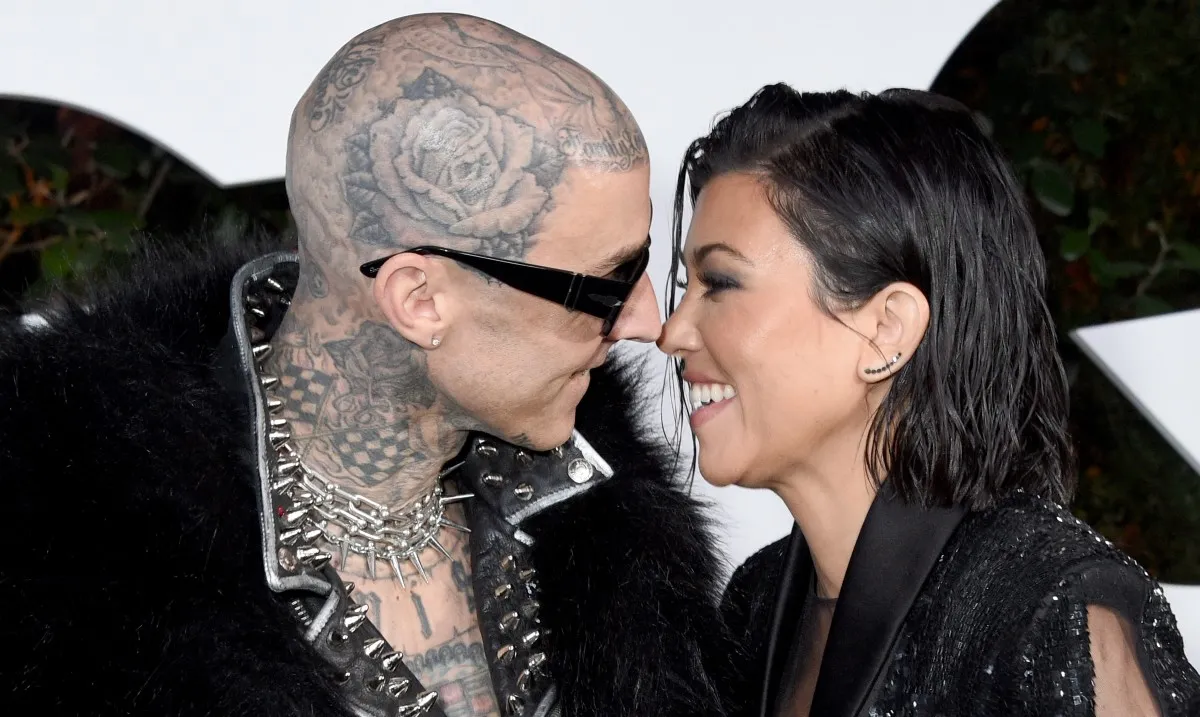 Photo: Kourtney Kardashian, via media.zenfs.com
Welcome to the celebrity cookbook industrial complex, where fame apparently qualifies you to teach America how to eat.
The Formula That Never Fails
The celebrity cookbook playbook is so predictable, you could generate one with AI. Step one: hire a ghostwriter who actually went to culinary school. Step two: stage some photos of yourself in an all-white kitchen that costs more than most people's annual salary, wearing a $300 apron while "casually" tossing a salad. Step three: sprinkle in some pseudo-scientific wellness claims about how kale changed your life. Step four: price it at $35 and watch your fans buy it faster than they can say "But does she even cook?"
The answer to that question, by the way, is usually no.
Take Bella Hadid's recent foray into the smoothie business. The supermodel launched Kin Euphorics, a line of "functional" beverages that promise to replace alcohol with adaptogens and nootropics. Never mind that Hadid has been photographed exactly zero times actually making a smoothie herself, or that her idea of cooking appears to be ordering from Nobu. The brand raised millions in funding because, apparently, looking good in a bikini translates to understanding nutrition science.
 Photo: Bella Hadid, via celebmafia.com
When Wellness Meets Wealth Privilege
The most galling part of the celebrity cookbook phenomenon isn't that these books exist — it's that they're marketed as accessible lifestyle guides while featuring ingredients that cost more than most people's grocery budgets. Gwyneth Paltrow's Goop cookbook suggests using $200-per-pound Himalayan sea salt like it's table seasoning. Kourtney Kardashian's "simple" recipes call for specialty powders that you can only buy from three stores in Los Angeles.
"It's wellness for people who have never had to check a price tag," says food industry insider Sarah Chen, who has worked with several celebrity cookbook launches. "These aren't meal plans for real people. They're aspirational content disguised as practical advice."
The irony is thick enough to spread on toast — if that toast is made from $18-per-loaf ancient grain bread, naturally.
The Ghostwriter Behind the Curtain
Here's what the pretty Instagram photos don't show you: most celebrity cookbooks are written by actual chefs and food writers who do the real work while the famous face gets the credit and the royalty checks. Industry sources estimate that up to 90% of celebrity cookbooks use ghostwriters, with the celebrity's main contribution being their name on the cover and maybe a few "personal anecdotes" about how they discovered the life-changing power of spirulina.
"I've written three bestselling 'celebrity' cookbooks," admits one ghostwriter who asked to remain anonymous. "In one case, the celebrity had never even tasted half the recipes we included. They just approved them based on photos."
The process typically works like this: publishers approach celebrities with existing food-adjacent brands, pair them with professional recipe developers, and create books that feel personal while being entirely manufactured. The celebrity might spend a day doing a photo shoot in a staged kitchen, but the months of testing, writing, and development happen entirely behind the scenes.
The Buying Psychology That Makes It Work
So why do these books consistently hit bestseller lists while actual chefs struggle to get published? The answer lies in our complicated relationship with celebrity culture and the fantasy of lifestyle transformation.
"People aren't really buying a cookbook," explains consumer psychology expert Dr. Rachel Martinez. "They're buying the promise that they can live like their favorite celebrity. The recipes are secondary to the aspiration."
This explains why Chrissy Teigen's "Cravings" cookbook series became a phenomenon despite featuring mostly basic comfort food recipes that you could find in any standard cookbook. Fans weren't buying it for culinary innovation — they were buying into the Chrissy Teigen lifestyle brand, complete with her relatable-yet-glamorous persona.
The strategy works because it taps into something deeper than hunger: the desire for transformation through consumption. If you can cook like a celebrity, maybe you can live like one too.
When Reality Bites Back
Of course, the celebrity cookbook empire isn't immune to backlash. Social media has made it easier for actual home cooks to call out ridiculous recipes and impossible ingredient lists. TikTok is full of users attempting celebrity recipes and documenting their spectacular failures, often with commentary about how tone-deaf the instructions are.
Alicia Silverstone faced criticism for her "wellness" cookbook that included potentially dangerous health advice alongside recipes. Jessica Alba's cookbook was panned by food critics for basic errors and recipes that didn't work as written. Even Martha Stewart — who actually knows how to cook — has been called out for recipes that assume everyone has a fully stocked professional kitchen.
The Economics of Aspiration
The celebrity cookbook industry is worth an estimated $200 million annually, with individual books often selling hundreds of thousands of copies in their first year. Publishers love them because they're essentially guaranteed bestsellers, regardless of content quality. Celebrity cookbooks consistently outsell books by actual professional chefs, sometimes by margins of 10-to-1.
The math is simple: fame sells better than talent, and aspiration sells better than practicality.
What Happens Next
As more celebrities launch food ventures and cookbook deals, the market is becoming increasingly saturated. The next evolution appears to be moving beyond books into subscription meal services, cooking apps, and branded kitchen products. Why sell someone a cookbook when you can sell them a monthly meal kit "curated" by their favorite celebrity?
The real question isn't whether celebrities will stop writing cookbooks — it's whether consumers will eventually demand that the people teaching them how to cook actually know how to cook themselves.
Until then, expect more $40 cookbooks full of recipes you'll never make, written by people who've never worked a day in a real kitchen.