When Friendship Meets the Red Carpet Machine
Remember when Taylor Swift's squad dominated every magazine cover, red carpet, and Instagram feed? The carefully curated group of models, actresses, and musicians didn't just happen to be friends — they were a phenomenon. And now, as we watch new celebrity friend groups emerge with suspiciously perfect timing and even more perfect photo opportunities, one question keeps nagging: are we witnessing genuine friendships or the most sophisticated networking strategy Hollywood has ever devised?
The celebrity squad is having a major moment again, but this time we're all a little more aware of the machinery behind those candid-looking dinner photos and spontaneous vacation snaps.
The Squad Era That Started It All
Taylor Swift's mid-2010s friend group set the template for celebrity squad goals. The roster read like a who's who of young Hollywood: Gigi Hadid, Selena Gomez, Blake Lively, Lena Dunham, Karlie Kloss, and more. Every public appearance was an event, every Instagram post a masterclass in cross-promotion.
But here's what made it brilliant: it didn't feel like marketing. The friendships appeared genuine, the fun looked real, and the mutual support seemed authentic. Whether it was or not became almost irrelevant — the perception created its own reality.
"That era of celebrity friendship branding was genius because it solved multiple problems at once," explains a former publicist who worked with several A-list clients during the height of squad culture. "You get content, you get cross-fanbase exposure, you get award season dates, and you get built-in defense against criticism — who's going to attack someone's friend group?"
The Current Crop of Suspicious Squads
Fast-forward to 2024, and the celebrity friend group game has evolved. Today's squads are more diverse, more strategic, and frankly, more obvious about what they're doing.
Take the current crop of young Hollywood stars who seem to be constantly photographed together at the exact right moments — premieres, fashion weeks, charity galas. Their friendship timeline often perfectly aligns with career milestones, album releases, and award season campaigns.
The Actors' Table: A rotating group of young actors who always seem to end up at the same industry events, posting stories from the same parties, and supporting each other's projects with suspiciously well-timed social media posts.
The Pop Princess Alliance: Female pop stars who collaborate just enough to share audiences but not so much that they compete directly. Their "spontaneous" hangouts often coincide with streaming milestones and tour announcements.
The Comedy Collective: A group of comedians and actors who host each other's podcasts, appear in each other's projects, and create a constant content ecosystem that benefits everyone involved.
The Business of Being Besties
Cross-Pollination Power: When celebrities from different industries become friends, their fanbases merge. A pop star hanging out with an actress introduces music fans to movies and movie fans to music. It's demographic expansion disguised as dinner plans.
Award Season Strategy: Having famous friends means having built-in dates for industry events, guaranteed social media content, and implied peer approval. "If Zendaya likes her, she must be cool" is powerful social proof.
Brand Deal Attractiveness: Companies love celebrities with strong friend groups because it suggests reliability, likability, and the potential for package deals. Why hire one influencer when you can get their whole squad?
Crisis Management: Friends provide cover during controversies. A public show of support from respected peers can help weather scandals that might otherwise end careers.
The Red Flags That Give Away the Game
Perfect Timing: When celebrity friendships always seem to surface right before major career moments, it raises questions. Genuine friendships don't operate on press cycle schedules.
Mutual Exclusivity: Some celebrity friend groups feel more like exclusive contracts — members rarely appear with people outside the designated squad, suggesting more business arrangement than genuine connection.
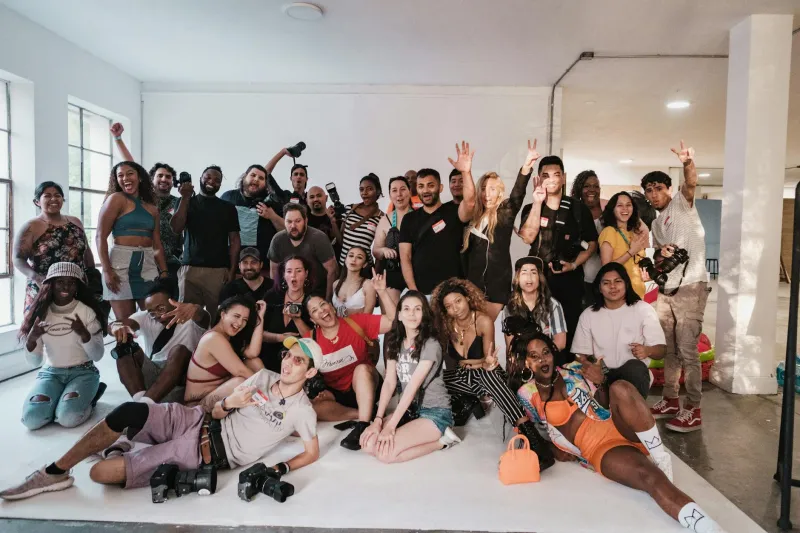
Professional Photographer Presence: When "candid" friend hangouts consistently feature professional-quality photos that just happen to capture everyone's best angles, spontaneity becomes questionable.
Strategic Diversity: Some modern squads feel focus-grouped for maximum demographic appeal — carefully balanced for age, ethnicity, industry, and fanbase size.
Industry Insiders Spill the Tea
A current entertainment manager, speaking on condition of anonymity, reveals how these relationships often develop: "It starts organically sometimes — two celebrities meet at an event, get along, maybe their teams see potential. But then it becomes managed. Coordinated appearances, strategic social media, planned collaborations. The friendship might be real, but the presentation is definitely calculated."
Another industry insider notes the pressure celebrities face to maintain these connections: "Once you're part of a squad, you're expected to show up, post about it, support everyone else's projects. It becomes work. Some celebrities burn out on it because it stops feeling like friendship and starts feeling like another job requirement."
When Real Friendship Meets Fake Marketing
The most successful celebrity friend groups manage to blur the line so effectively that even the participants might not be sure where genuine connection ends and strategic alliance begins. And maybe that's okay.
"I think some of these friendships start as networking but become real over time," suggests a celebrity social media manager. "When you're constantly performing friendship, sometimes you actually develop it. The opposite can happen too — real friendships can get poisoned by too much business."
The Audience Gets Smarter
What's interesting is how aware audiences have become of these dynamics. Social media comments on celebrity friend group posts are increasingly skeptical:
"This looks like a brand partnership, not a friendship." "Convenient how they're all friends right before award season." "Remember when celebrity friendships weren't content strategies?"
Yet the strategy continues to work, suggesting that even when we recognize the machinery, we still enjoy the performance.
The Future of Famous Friendships
As celebrity culture continues to evolve, so does the friend group strategy. We're seeing more authentic-feeling connections, longer-term relationships that survive career ups and downs, and celebrities who are more transparent about the business side of their personal lives.
The most sustainable celebrity friendships seem to be the ones that acknowledge the professional benefits while maintaining genuine personal connection. It's a delicate balance — too calculated and the audience revolts, too authentic and the business opportunities get missed.
In the end, maybe the question isn't whether celebrity friendships are real or strategic — maybe it's whether they can be both, and whether that's necessarily a bad thing in an industry where personal and professional lives are inextricably linked.
After all, in Hollywood, even genuine friendship is a performance — the only question is who's directing it.