
The Celebrity 'I'm Done With Hollywood' Announcement That Always Ends the Same Way
Every few months, like clockwork, another A-lister steps up to a microphone, looks deep into the camera, and delivers some version of the same speech: "I'm done with Hollywood." The tears are real, the exhaustion is palpable, and the finality feels absolute. Until, of course, it doesn't.
Jay-Z pioneered this art form with The Black Album in 2003, billing it as his retirement record with all the gravitas of a presidential farewell address. "This is my final album," he declared, before returning exactly one album cycle later with Kingdom Come. Joaquin Phoenix took it further, announcing his retirement from acting in 2008 to pursue a rap career that existed somewhere between performance art and public breakdown. Two years later, he was back on red carpets, explaining it was all for a mockumentary.
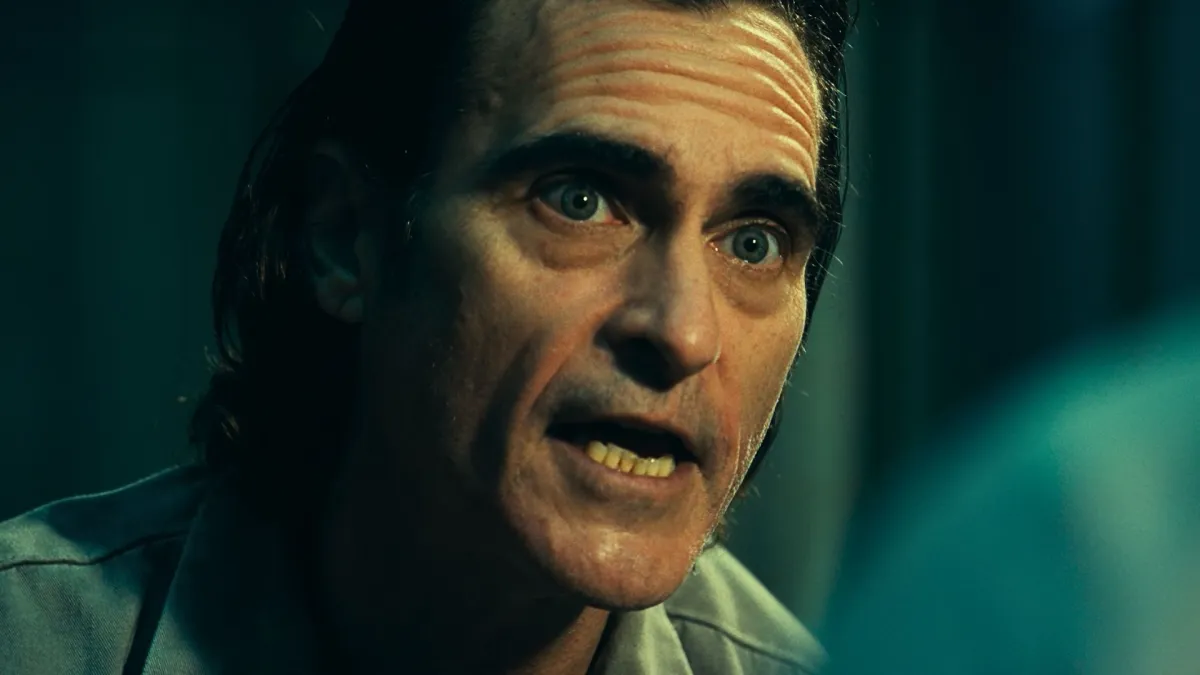 Photo: Joaquin Phoenix, via static1.moviewebimages.com
 Photo: Jay-Z, via static1.purepeople.com
The Retirement That Never Retires
The pattern is so predictable it's become its own genre of celebrity theater. Daniel Day-Lewis has "retired" from acting three separate times, each announcement treated with the solemnity of a state funeral. Dave Chappelle walked away from $50 million and a hit show, only to return to comedy (and Netflix) with even more leverage. Even Barbra Streisand has had multiple "farewell" tours spanning decades.
What makes these announcements fascinating isn't their lack of permanence — it's how they function as the ultimate power move disguised as vulnerability. When a celebrity says they're "done," they're not actually leaving; they're renegotiating their relationship with fame on their own terms.
The Psychology of the Public Exit
These dramatic departures serve multiple psychological functions. For the celebrity, they provide a pressure release valve — a way to acknowledge burnout without actually stepping away from the machine that made them wealthy and relevant. For fans, they create artificial scarcity, making every subsequent appearance feel like a gift rather than an obligation.
The retirement announcement also allows celebrities to critique the industry while remaining firmly planted within it. When Day-Lewis talks about the "intensity" of method acting driving him away, he's simultaneously establishing his artistic credentials and creating mystique around his eventual return. It's having your cake and eating it too, with a side of martyrdom.
The Economics of Farewell
There's serious money in goodbye. Farewell tours consistently outsell regular tours because they tap into FOMO on an industrial scale. Cher's "Living Proof: The Farewell Tour" in 2002-2005 became one of the highest-grossing tours by a solo artist, banking on the idea that this was fans' last chance. Spoiler alert: it wasn't.
Streaming platforms have caught onto this dynamic too. When an artist announces their "final" album, it doesn't just generate press — it drives immediate consumption as fans rush to be part of what feels like a cultural moment. The scarcity is artificial, but the revenue is very real.
The Social Media Amplification
Instagram and Twitter have turned retirement announcements into even more elaborate productions. The carefully crafted farewell post, complete with black-and-white photos and philosophical captions, generates more engagement than most actual career milestones. Comments sections become grief counseling sessions, with fans treating the announcement like a death in the family.
These posts also allow for maximum ambiguity. Unlike a formal press release, a cryptic Instagram story can be walked back, reinterpreted, or "misunderstood" when it's time for the inevitable comeback. The platform becomes both the stage for the dramatic exit and the backdoor for the quiet return.
The Comeback Industrial Complex
Perhaps the most telling aspect of celebrity retirements is how the industry has built infrastructure around them. Publicists know exactly how to stage a comeback: start with small appearances, build to a major interview about "finding their passion again," then announce a project that's "too important to pass up." The narrative arc is so familiar it might as well be copyrighted.
The media plays along because comeback stories sell just as well as farewell tours. There's something deeply American about the idea of second chances, even when the "chance" is returning to a multimillion-dollar career after a strategic hiatus.
Why We Keep Falling for It
The reason these retirement announcements work isn't because we believe they're permanent — it's because we want to believe they could be. In a culture obsessed with authenticity, the idea that someone would walk away from fame at its peak feels like the ultimate authentic act. It suggests that underneath all the glitz and calculation, there's still a real person capable of saying "enough."
The fact that they always come back doesn't make these moments less powerful; it makes them more human. Fame, it turns out, is less like a job you can quit and more like an addiction you can only manage. The retirement announcement isn't a lie — it's a moment of genuine ambivalence made public.
The Never-Ending Farewell Tour
In the end, the celebrity retirement announcement has become its own form of content, as reliable and renewable as any other part of the fame machine. It provides drama without real stakes, vulnerability without actual risk, and closure without any real ending.
Maybe that's exactly what both celebrities and fans need: the fantasy that walking away is possible, paired with the comfort of knowing they never really will.