The Great Relatability Theater
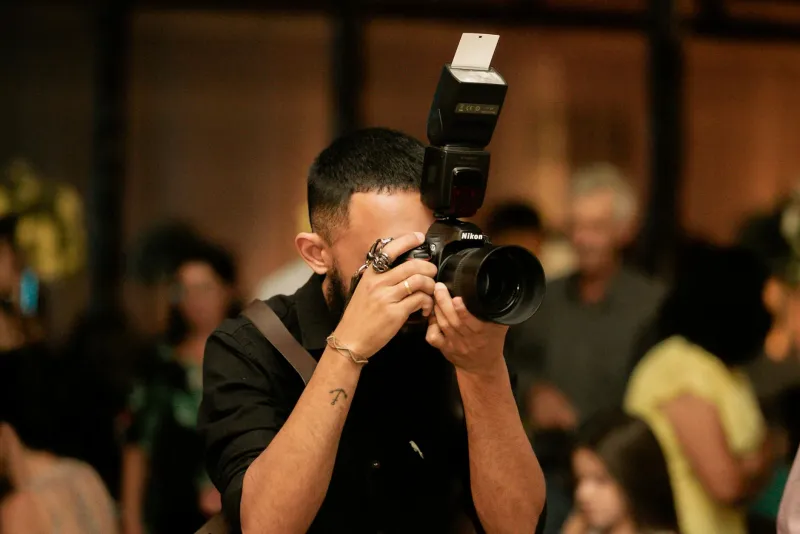
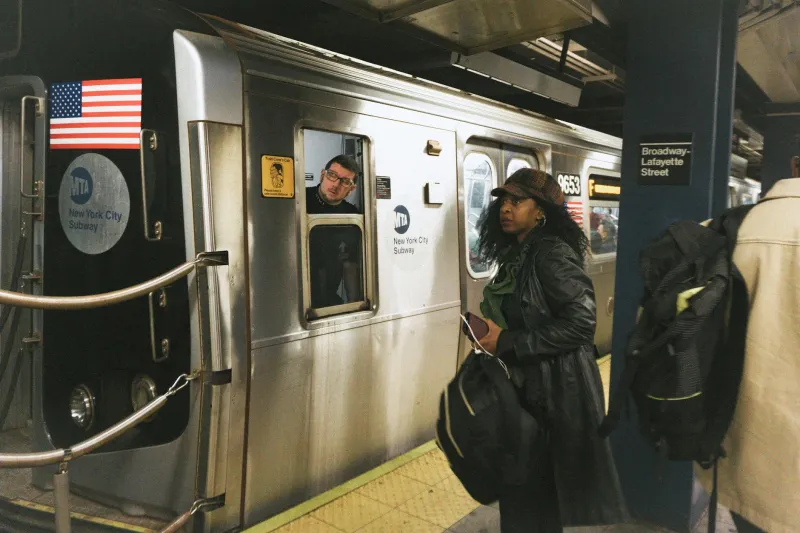
Picture this: You're scrolling through Instagram and suddenly there's Anne Hathaway, Oscar winner and multi-millionaire, casually riding the New York subway like she's heading to her 9-to-5. The caption reads something like "Just another Tuesday!" and within hours, it's everywhere — entertainment blogs praising her for being "down to earth," fans gushing about how "relatable" she is, and cynics rightfully asking why there happened to be a photographer perfectly positioned to capture this totally spontaneous moment.
Welcome to the celebrity "normal person" stunt, Hollywood's most transparent yet persistent PR strategy. It's the carefully orchestrated performance of ordinariness, where A-listers who own multiple homes worth more than small countries suddenly need us to believe they're just like us because they occasionally touch a MetroCard.
The Grocery Store Paparazzi Miracle
The formula is always the same: Celebrity emerges from their usual bubble of private jets and personal assistants to do something breathtakingly mundane — grocery shopping, pumping gas, waiting in line at Starbucks — and somehow, miraculously, a photographer just happens to be there to document this earth-shattering moment of normalcy.
Take Jennifer Lawrence's infamous "I'm so clumsy and relatable" era, complete with strategically timed trips to hardware stores and pizza runs that always seemed to coincide with major movie releases. Or watch any Kardashian suddenly develop a deep appreciation for In-N-Out Burger right around the time they need to rehabilitate their image after the latest controversy.
The psychology behind it is actually fascinating in its desperation. These are people who've built entire empires on being extraordinary, untouchable, aspirational — but somewhere along the way, the culture shifted. Social media made everyone a critic, and suddenly being too rich, too perfect, or too removed became a liability instead of an asset.
When Authentic Meets Algorithmic
The tragic irony? Some celebrities actually are doing normal things, but the moment they document it, it becomes performance. Dolly Parton has been genuinely down-to-earth for decades, but when she posts about cooking at home, it feels authentic because it's consistent with who she's always been. Meanwhile, when someone who usually posts from private yacht decks suddenly appears at a laundromat, the disconnect is jarring.
Then there's the Keanu Reeves phenomenon — a man who's achieved peak relatability not by staging subway rides, but by consistently being photographed doing genuinely normal things without fanfare. Eating a sandwich on a bench. Giving up his subway seat. Being kind to service workers. The difference? He's not announcing it or hashtagging it or making sure his publicist tips off the right photographers.
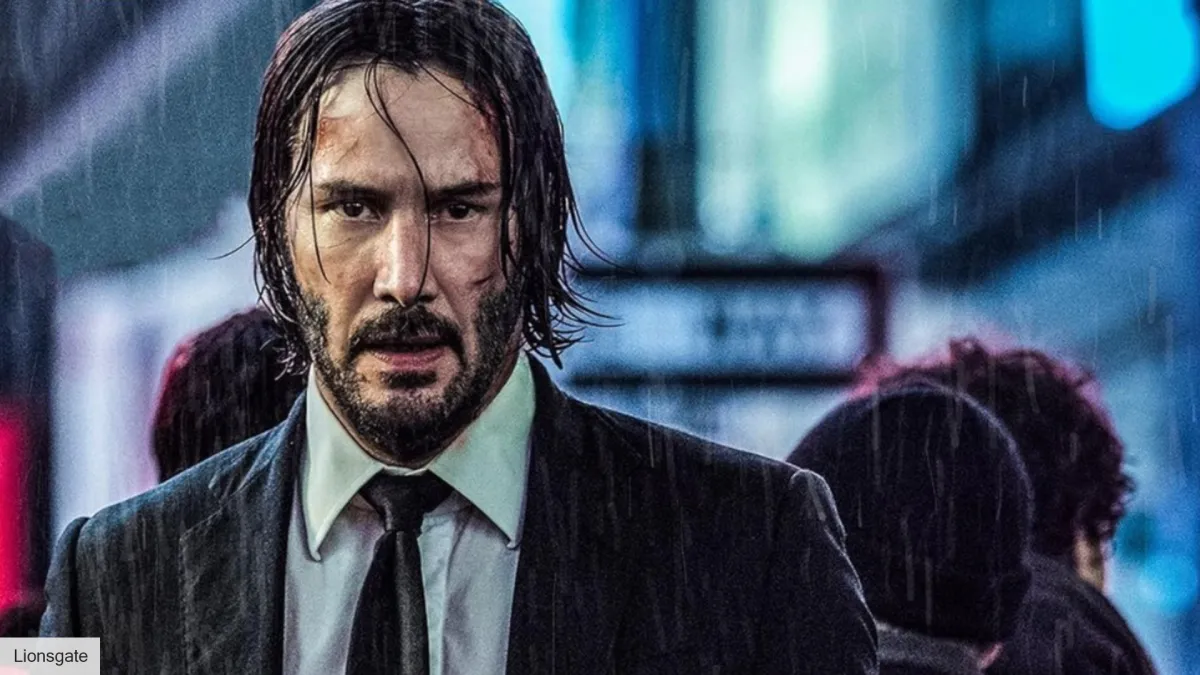 Photo: Keanu Reeves, via www.thedigitalfix.com
The Cringe Factor
The most painful examples come from celebrities who clearly have no idea how normal people actually live. When Gwyneth Paltrow attempted her "food stamp challenge" or when stars post about "roughing it" in accommodations that cost more per night than most people make in a month, the disconnect becomes comedy.
But the subway stunts might be the worst offender. There's something particularly insulting about watching someone who travels exclusively by private transportation suddenly develop a deep appreciation for public transit. The logistics alone are absurd — the security concerns, the disruption to other passengers, the fact that their usual entourage of assistants and bodyguards somehow makes riding the R train feel less "normal."
The Fans Who Enable It
Perhaps the most interesting part of this phenomenon is how audiences respond. Despite the obvious staging, despite the convenient timing, despite the clear PR motivations, people still eat it up. Comments sections fill with heart-eye emojis and "queen of the people" declarations, as if the mere act of a celebrity touching the same door handle as regular humans somehow makes them accessible.
It reveals something uncomfortable about our relationship with fame: we simultaneously want to worship these people and tear them down for being too removed from us. We create the very pedestals that make their ordinary moments feel revolutionary.
The Authenticity Arms Race
What we're witnessing is an authenticity arms race, where celebrities compete to seem the most "real" while operating in the most artificial industry on earth. The result is a feedback loop of increasingly elaborate normalcy theater — stars hiring consultants to teach them how to seem relatable, social media teams crafting the perfect "candid" moments, and publicists working overtime to plant stories about their clients being "just like us."
The celebrities who've mastered this game understand that the key isn't actually being normal — it's performing normalcy in a way that feels intentional but not calculated, accessible but not try-hard. It's a tightrope walk that very few manage to pull off.
What Comes Next
As audiences become more media-savvy and cynical about celebrity PR tactics, the "normal person" stunt is becoming harder to execute convincingly. Gen Z, in particular, seems less impressed by subway rides and more interested in actual substance — political positions, business practices, how celebrities treat their employees.
Maybe the future of celebrity relatability isn't about pretending to be normal at all, but about being genuinely interesting, consistently authentic, and honest about the weird, privileged bubble that fame creates.
Until then, we'll keep getting subway selfies and grocery store paparazzi shots, because apparently nothing says "I'm just like you" quite like having your ordinary moments professionally photographed and distributed to millions of people worldwide.