The Illusion of Radical Honesty
When Taylor Swift sat down for her latest magazine cover story, the headline promised "everything you've been waiting to hear." What readers got was 4,000 words about her songwriting process, her cats, and carefully curated reflections on past relationships — all while somehow avoiding any mention of the ongoing controversies that actually have fans talking. Welcome to the celebrity "open book" era, where stars have perfected the art of appearing vulnerable while revealing absolutely nothing that could damage their brand.
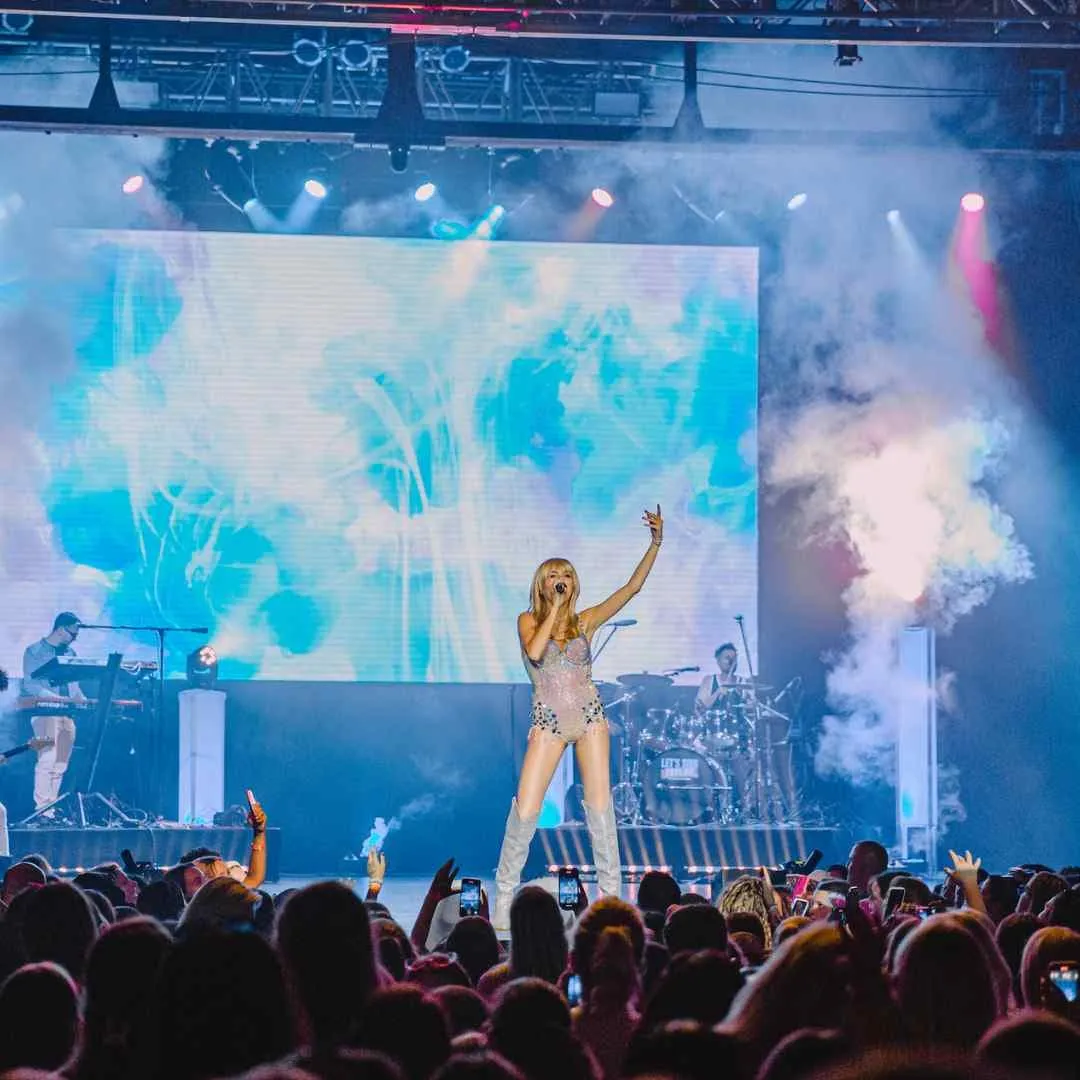 Photo: Taylor Swift, via patch.com
This isn't accidental. It's the result of a sophisticated machine that includes publicists, editors, talent agents, and crisis management teams working in perfect harmony to create what industry insiders call "controlled transparency" — the illusion that celebrities are spilling their deepest secrets when they're actually following a script more carefully crafted than any blockbuster movie.
The Mechanics of Manufactured Vulnerability
The process begins months before the interview even happens. A-list publicists don't just pitch stories; they architect entire narrative campaigns. "We'll map out what the client wants to address, what they absolutely won't discuss, and how to redirect any questions that veer into dangerous territory," explains a former publicist who worked with multiple Grammy winners. "The goal is to make them seem open and honest while protecting every asset that matters."
The timing is never coincidental either. Those tearful confessions about past struggles? They often coincide perfectly with album releases, movie premieres, or the need to shift public conversation away from less flattering headlines. When a major pop star recently opened up about her "journey to self-acceptance" in a primetime interview, eagle-eyed fans noticed it aired exactly one week after her ex-manager filed a lawsuit that could have dominated entertainment news cycles.
The Art of Strategic Deflection
Watch any celebrity "tell-all" interview closely, and you'll spot the techniques. There's the emotional pivot — when asked about a controversial business decision, suddenly the conversation shifts to childhood trauma or personal growth. There's the gratitude redirect — "I'm just so thankful for my fans" becomes the response to questions about feuds or legal troubles. And there's the future focus — instead of addressing past mistakes, celebrities talk about their "exciting projects ahead" or their "commitment to doing better."
Magazine editors are complicit in this dance. Major publications depend on celebrity access for their biggest issues, creating a symbiotic relationship where challenging questions might jeopardize future covers. "There's an unspoken understanding about what's off-limits," admits a former features editor at a top-tier fashion magazine. "Push too hard, and suddenly their team is 'unavailable' for your next big story."
The Vulnerability Performance
Perhaps the most sophisticated element of this system is how celebrities have learned to weaponize their own emotions. Tears, pauses, and moments of apparent spontaneity are often as calculated as any red carpet outfit. Media training now includes "authenticity coaching" — literally teaching stars how to appear genuine while staying on message.
Social media has only amplified this phenomenon. Those "candid" Instagram posts about mental health struggles or relationship challenges? They're often crafted by teams of social media managers, therapists, and brand consultants to maximize sympathy while minimizing legal or financial risk. The goal is to control the narrative before anyone else can define it.
When the Vault Cracks
The few times this system breaks down are telling. When celebrities go genuinely off-script — think Kanye West's Twitter storms or Britney Spears' courtroom testimony — the contrast with their usual controlled messaging becomes stark. These moments reveal just how manufactured their typical "openness" really is.
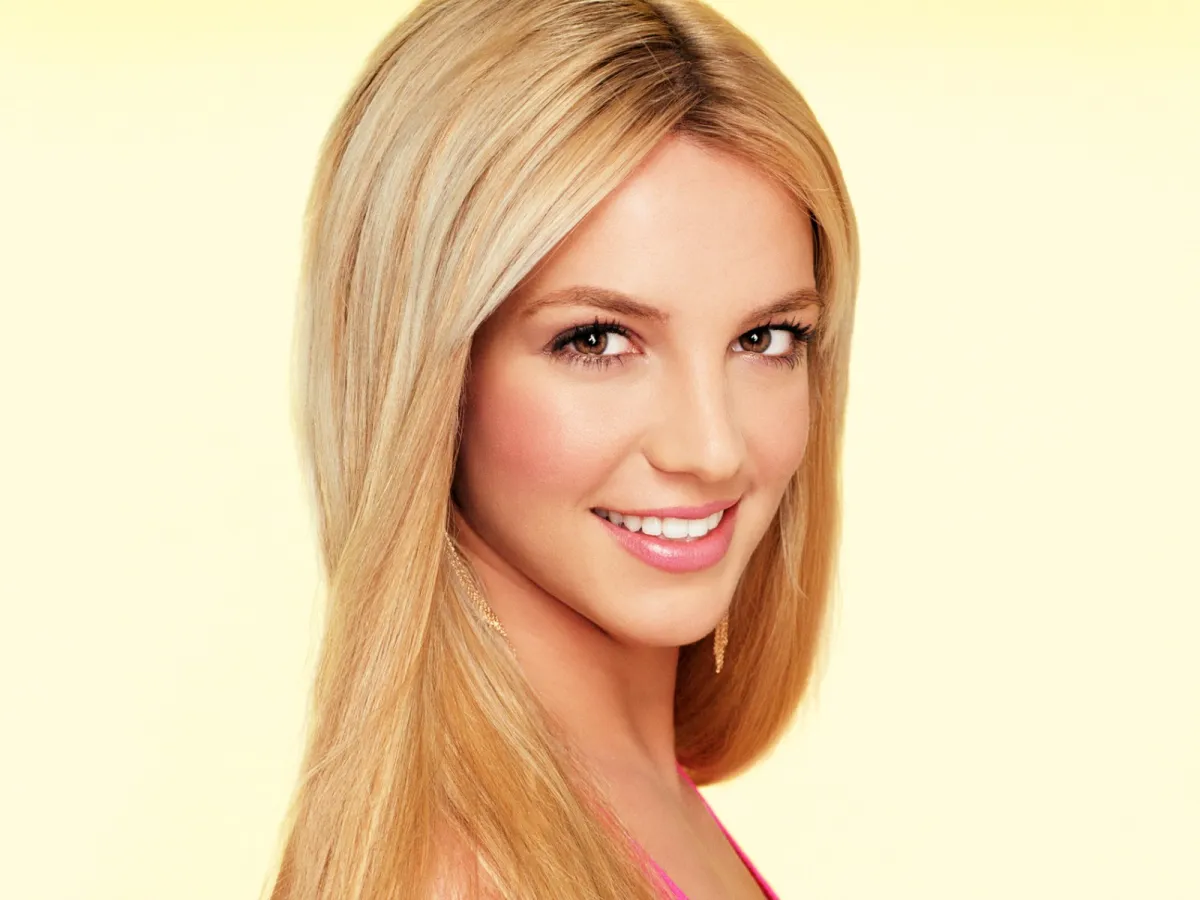 Photo: Britney Spears, via eskipaper.com
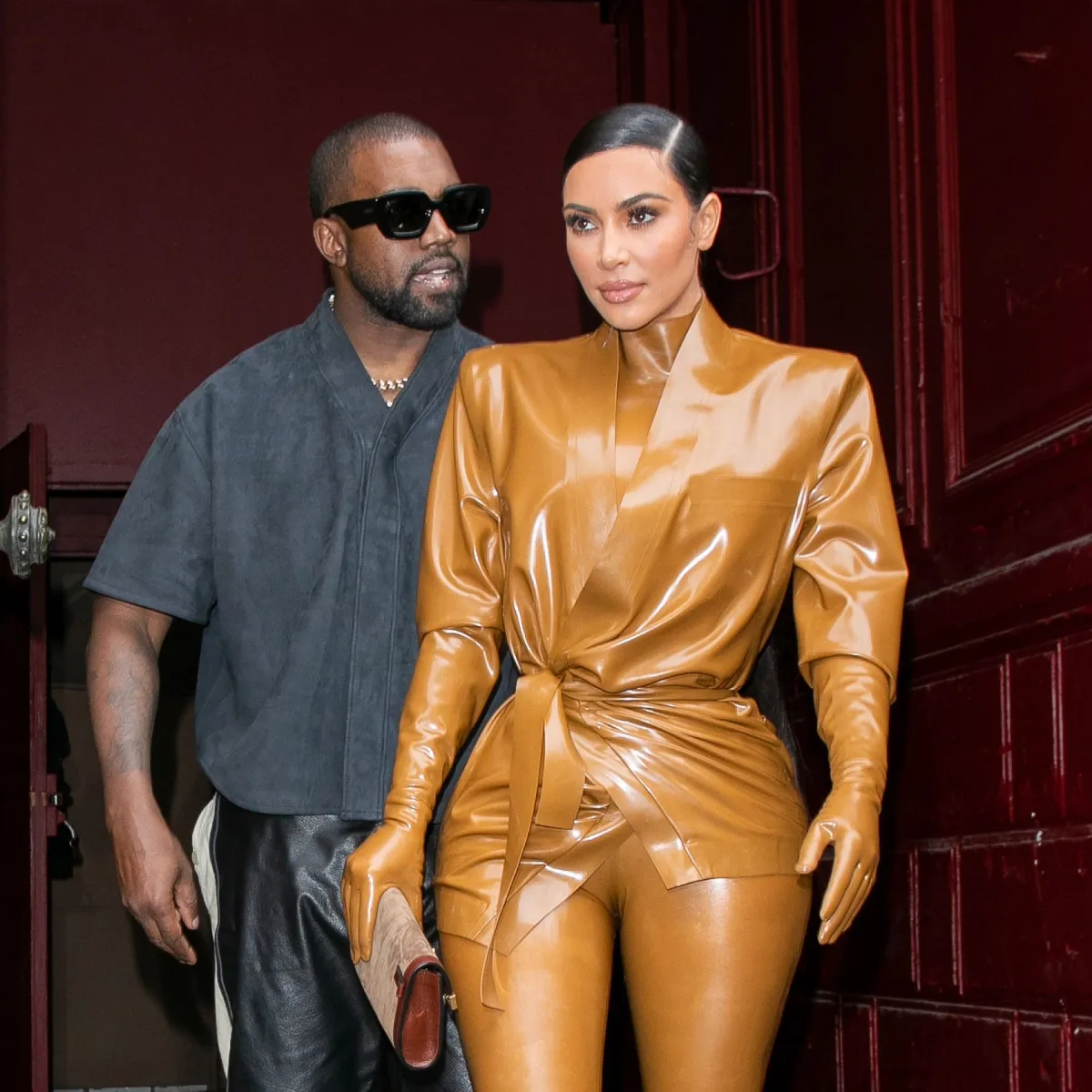 Photo: Kanye West, via assets.vogue.in
Recently, a major actor's publicist accidentally sent talking points to the wrong email address, revealing a 47-point list of "approved personal revelations" for an upcoming "intimate" podcast appearance. The list included specific childhood anecdotes, pre-approved relationship insights, and even suggested pause points for maximum emotional impact.
The Cost of Controlled Transparency
This transparency theater comes with hidden costs. Celebrities become increasingly disconnected from their own authentic voices, often struggling to distinguish between their genuine thoughts and their media-trained responses. "I had clients who would ask me what they actually thought about their own experiences," recalls a former crisis management consultant. "The line between person and brand had completely disappeared."
For audiences, the cost is different but equally significant. We're consuming emotional labor that's been focus-grouped and market-tested, mistaking performance for genuine human connection. The parasocial relationships that drive celebrity culture become even more artificial when the "person" we think we know is actually a carefully constructed character.
The Future of Celebrity Authenticity
As audiences become more media-literate, some celebrities are experimenting with genuinely unfiltered communication — but even this carries risks. The stars who succeed in the "authentic" space often do so by creating new forms of control, using platforms and formats that allow them to maintain narrative power while appearing spontaneous.
The celebrity "open book" era isn't ending anytime soon, but it's evolving. The next generation of stars will need to find new ways to simulate authenticity as audiences grow increasingly skeptical of traditional vulnerability performances.
The Bottom Line
The most successful celebrity interviews of the past decade weren't the ones where stars revealed the most — they were the ones where stars appeared to reveal the most while actually maintaining complete control over their narrative. In Hollywood's transparency industrial complex, the house always wins, and the house is very, very good at making you think you're seeing behind the curtain while keeping the real show completely hidden.
After all, if celebrities were actually as open as they claim to be, would we still be so fascinated by the rare moments when the mask accidentally slips?