The Passion Project Industrial Complex
Every few months, another A-lister announces their "dream project" — a deeply personal indie film, an experimental album, a wellness app that's going to "change everything." They'll talk about how it's been "years in the making," how it represents their "true artistic vision," and how money was never the point. Then, mysteriously, these passion projects either disappear into the ether or generate just enough buzz to justify their existence before quietly fading away.
Welcome to Hollywood's best-kept secret: the passion project as tax strategy.
When Art Meets Accounting
Take the recent wave of celebrity-backed production companies. In the past five years, everyone from Margot Robbie to Michael B. Jordan has launched their own shingle, complete with first-look deals and development funds. On paper, it's about creative control and telling stories that matter. In reality? It's often about converting personal income into business expenses.
 Photo: Margot Robbie, via static1.cbrimages.com
"When you set up a production company, suddenly your life becomes research," explains entertainment accountant Sarah Chen, who's worked with several A-list clients. "That vacation to Italy? Location scouting. The expensive dinner with your agent? Development meeting. The personal trainer? Physical preparation for a role you're considering."
The math is simple: if you're making $20 million per film and sitting in the highest tax bracket, finding creative ways to reduce your taxable income becomes a very expensive priority.
The Festival Circuit Shuffle
Perhaps nowhere is this more obvious than in the indie film space, where celebrities regularly finance passion projects that seem designed to lose money. These films typically follow a predictable pattern: big-name star takes a pay cut to star in or produce a "meaningful" project, it gets into Sundance or Cannes, generates some awards buzz, then disappears from theaters faster than you can say "limited release."
The 2023 film festival circuit was particularly telling. Multiple celebrity-backed projects premiered with great fanfare, only to struggle to find distribution or audience. But for the stars involved, mission accomplished — they've transformed millions in personal income into "business investments" while building their artistic credibility.
"It's not that these projects are inherently bad," notes film finance expert David Rodriguez. "But when the primary goal is tax efficiency rather than commercial or artistic success, it shows in the final product."
The Wellness App Goldmine
The celebrity wellness space might be the most transparent example of passion-project-as-tax-haven. From meditation apps to fitness platforms to supplement lines, celebrities have discovered that "wellness" provides the perfect cover for converting lifestyle expenses into business write-offs.
Gwyneth Paltrow's Goop empire, while controversial, represents the gold standard of this approach. What started as a lifestyle newsletter has become a multi-million dollar business that allows Paltrow to deduct everything from spa treatments (product research) to exotic retreats (brand development) to her personal chef (content creation for the food vertical).
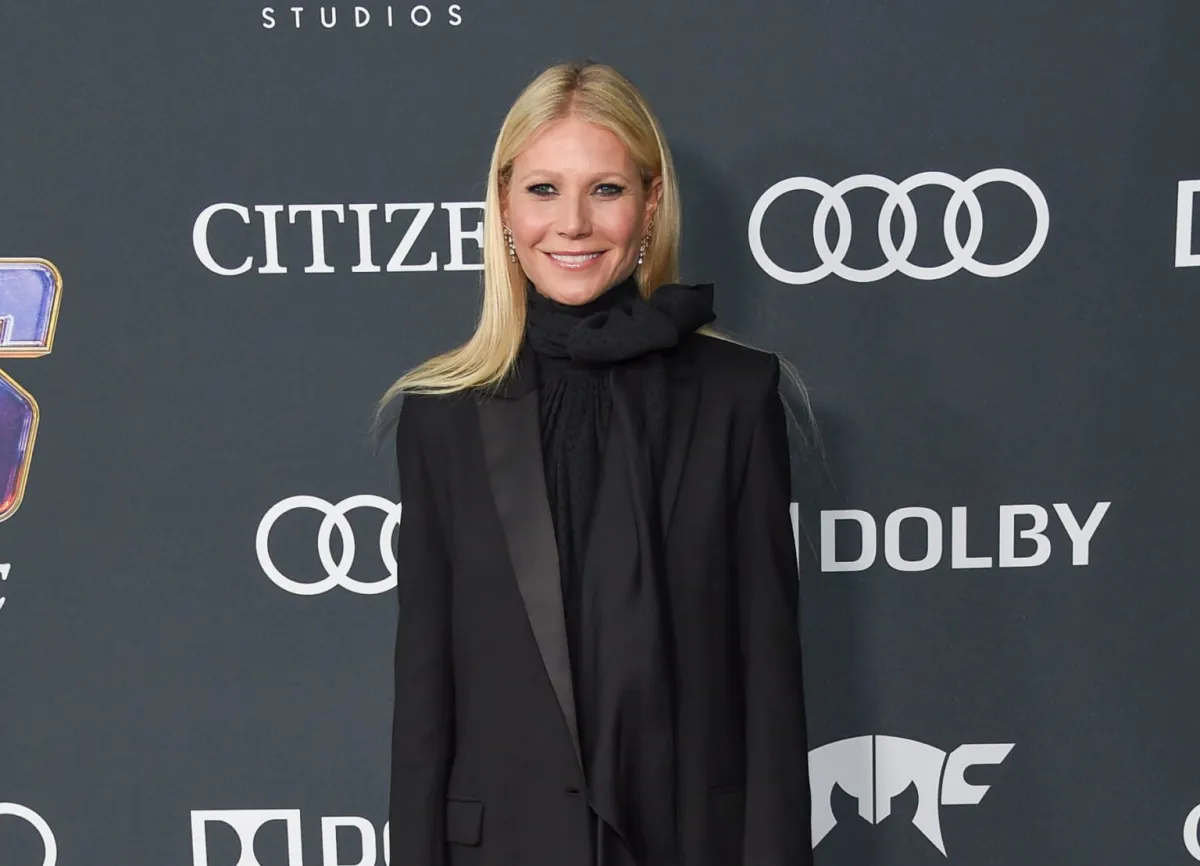 Photo: Gwyneth Paltrow, via celebhealthmagazine.com
The beauty of the wellness space is that literally anything can be justified as research. That $5,000-a-night resort in Tulum? Market research for the travel vertical. The $500 crystals? Product development for the spiritual wellness line. The personal shaman? Content consultant.
When Passion Meets PR
Of course, not every celebrity passion project is purely about taxes. Many serve dual purposes as reputation management tools, particularly for stars trying to pivot from one type of career to another or rehabilitate their public image.
The timing of these announcements is rarely coincidental. Celebrities launching passion projects often do so during career lulls, after public controversies, or when they're trying to be taken more seriously as artists. The passion project becomes a way to control the narrative while generating positive press coverage.
"It's much easier to get a puff piece written about your new production company than it is to get one about your last three movies flopping," observes entertainment journalist Maria Santos. "The passion project gives everyone something positive to write about."
The Awards Season Angle
For many celebrities, passion projects serve as vehicles for awards consideration — and the career boost that comes with it. A well-timed indie film or documentary can transform a commercial actor into an "artist" in the eyes of voters, even if the project loses money.
The strategy is particularly common among actors looking to break into directing or producing. By financing their own projects, they guarantee themselves creative control and awards eligibility, while the financial losses become valuable tax deductions.
The Celebrity App Graveyard
Perhaps no category of passion project fails more spectacularly than celebrity apps. From Kim Kardashian's short-lived gaming ventures to various celebrity fitness and lifestyle apps that disappear within months of launch, the app space is littered with celebrity vanity projects that never found an audience.
But failure, in this context, might actually be success. A celebrity app that costs $2 million to develop and generates $200,000 in revenue creates a significant tax loss — which, for a celebrity in the highest tax bracket, could be worth more than a profitable app would have been.
The Real Cost of Fake Passion
While the tax benefits are real, the cultural cost of treating art as accounting might be higher than anyone realizes. When passion projects are primarily financial vehicles rather than creative ones, it shows in the quality and authenticity of the work.
Moreover, these vanity projects often crowd out genuinely independent voices who don't have access to celebrity financing or distribution networks. When a major festival slot goes to a celebrity passion project that was never intended to succeed commercially, it's one less opportunity for an actual independent filmmaker.
The Bottom Line
None of this is to say that every celebrity passion project is a cynical tax dodge. Many stars genuinely care about their side ventures and invest real creative energy in them. But in an industry where image is everything and taxes are unavoidable, the line between authentic artistic expression and creative accounting has become increasingly blurred.
The next time your favorite celebrity announces their "dream project," ask yourself: are they chasing their artistic vision, or are they just chasing a better tax situation? In Hollywood, the answer might be both — and that's exactly the point.