
The Art of Strategic Sidekicking
When Hailey Baldwin married Justin Bieber in 2018, she didn't just become Mrs. Bieber — she became the poster child for proximity power. What started as "Stephen Baldwin's daughter" and "that model who dated some celebrities" transformed into a Rhode Skin empire worth millions, a social media following that rivals A-listers, and a brand identity that's somehow both independent and intrinsically tied to her superstar husband.
 Photo: Justin Bieber, via www.hollywoodreporter.com
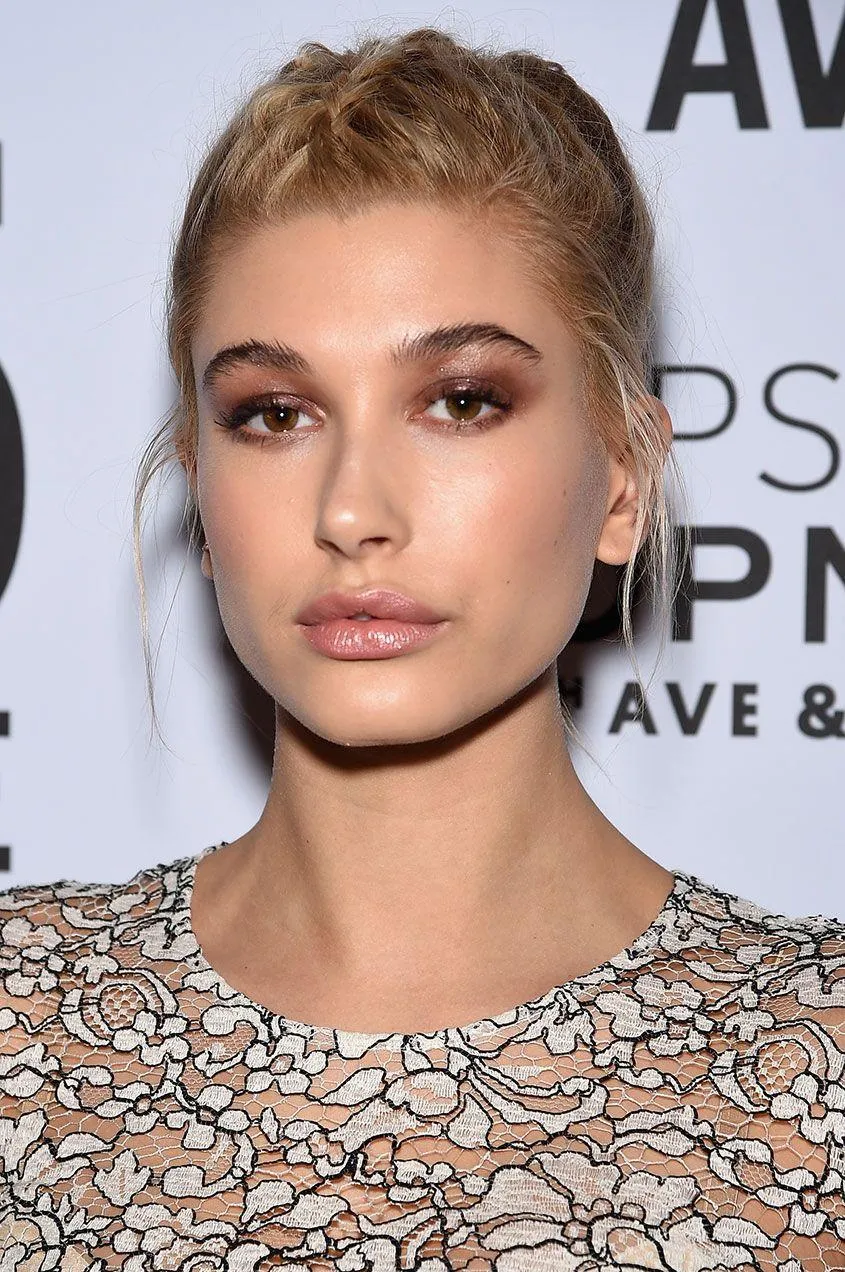 Photo: Hailey Baldwin, via wallpapercave.com
She's not alone. Hollywood's supporting cast — the siblings, best friends, managers, and plus-ones who orbit the actual stars — have cracked the code on turning reflected fame into cold, hard currency. And honestly? They might be the smartest people in the room.
The Hadid Family Industrial Complex
The Hadid sisters are perhaps the most successful example of this phenomenon. While Gigi and Bella are undeniably successful models in their own right, their rise coincided perfectly with their strategic positioning in celebrity circles. Gigi's relationships with Joe Jonas and later Zayn Malik didn't hurt her career trajectory, and Bella's connections to The Weeknd kept her in tabloid rotation during crucial career-building years.
But here's where it gets interesting: both sisters have leveraged their celebrity adjacency into legitimate business empires. Gigi's collaboration deals and Bella's influence in fashion circles have created revenue streams that exist independently of their famous boyfriends. They've managed to graduate from "celebrity girlfriend" to "celebrity who happens to have famous boyfriends."
Their mother, Yolanda, deserves credit here too. She turned her Real Housewives fame and modeling background into a launching pad for her daughters' careers, proving that sometimes the best career move is knowing exactly how to position your family in Hollywood's ecosystem.
The Manager-to-Mogul Pipeline
Then there's the manager-turned-celebrity phenomenon. Scooter Braun built an empire by discovering Justin Bieber on YouTube, but his real genius was understanding that managing talent could make him more famous than the talent itself. His high-profile feuds (looking at you, Taylor Swift) and business deals have made him a household name in ways that most behind-the-scenes players never achieve.
Similarly, Kris Jenner turned being a mom into being the most powerful manager in Hollywood. She didn't just raise celebrities — she created a family brand so powerful that being adjacent to it (hello, Pete Davidson) becomes a career move in itself.
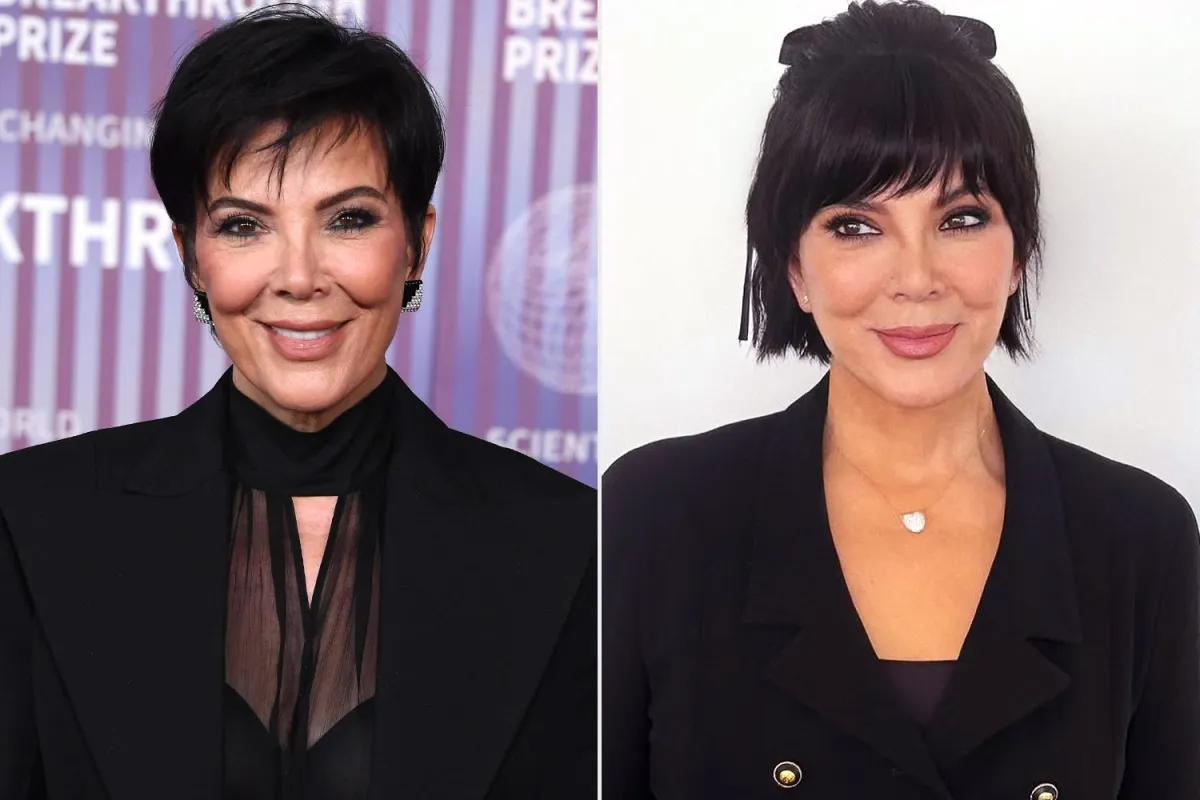 Photo: Kris Jenner, via people.com
The Best Friend Business Model
Some of Hollywood's most successful proximity players aren't romantic partners or family members — they're the best friends who understood the assignment. Take Jonathan Van Ness, who parlayed his friendship with celebrities and his Queer Eye platform into a hair care line, podcast empire, and memoir deal. His success feels authentic because it is, but it's also strategically brilliant.
Or consider how Olivia Pierson and Natalie Halcro turned their friendship with the Kardashian circle into their own reality show, WAGs, and successful beauty businesses. They saw how the ecosystem worked and positioned themselves accordingly.
The Dark Side of Proximity Power
But let's be real about what this means. The rise of proximity celebrities raises uncomfortable questions about talent versus timing, authenticity versus strategy. When someone's primary qualification for fame is who they're standing next to, what does that say about our celebrity culture?
There's also the question of sustainability. Relationships end, friendships fade, and family dynamics shift. What happens when the proximity that launched your career disappears? Some, like Hailey Bieber, seem to have built enough independent brand equity to survive. Others might find themselves scrambling when the spotlight moves on.
The Ripple Effect Economy
What's fascinating is how this proximity power creates its own ripple effects. When Hailey Bieber launches Rhode, it's not just her success — it's validation for every other celebrity adjacent person with entrepreneurial ambitions. When the Hadid sisters land major campaigns, it proves that strategic positioning can lead to legitimate career opportunities.
This creates a feedback loop where being famous for being adjacent to famous people becomes a legitimate path to actual fame and fortune. It's meta-celebrity culture at its finest.
The New Hollywood Hierarchy
We're witnessing the emergence of a new Hollywood hierarchy where the supporting cast sometimes outshines the leads. These proximity players have figured out something crucial: in an attention economy, any attention is valuable attention, and proximity to the right person can be just as powerful as talent.
The question isn't whether this is fair or authentic — it's whether it's effective. And based on the bank accounts and Instagram followings of Hollywood's most successful plus-ones, the answer is a resounding yes.
What Comes Next
As social media continues to democratize fame and blur the lines between celebrity and influencer, expect to see even more strategic proximity plays. The understudies have figured out that sometimes the best seat in the house isn't center stage — it's close enough to the spotlight that you can step into it when the moment's right.
In Hollywood's new economy, being the plus-one might just be the smartest career move of all.