The Celebrity 'I Discovered Spirituality' Pipeline: From Rock Bottom to Rose Quartz in Three Easy Steps
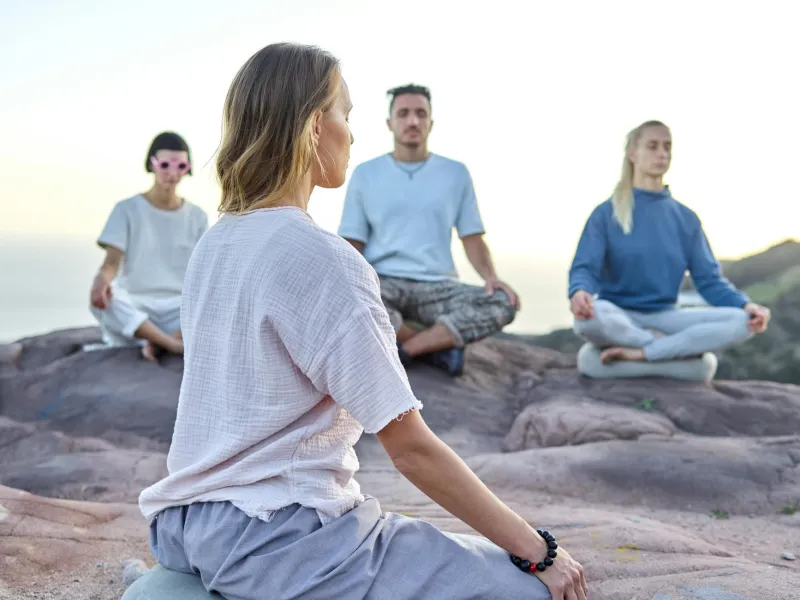
The Holy Trinity of Celebrity Spiritual Awakening
The formula is so predictable you could set your watch by it: Celebrity hits rock bottom (public breakdown, messy divorce, career scandal), disappears for exactly long enough to generate concern, then emerges with a carefully curated spiritual awakening complete with Sanskrit tattoos, a suddenly vegetarian lifestyle, and enough healing crystals to power a small city.
Welcome to the celebrity spirituality pipeline, where finding God, Buddha, or the Universe has become the most reliable path from cancellation to comeback. Because apparently, nothing says "I've changed" quite like a $3,000 sound bath and a sudden devotion to chakra alignment.
Step One: The Strategic Rock Bottom
Every good spiritual awakening needs a good origin story, and celebrities have mastered the art of the redemptive crisis. The breakdown needs to be public enough to generate sympathy but not so catastrophic that it can't be reframed as a spiritual calling.
Russell Brand perfected this approach, transforming his very public struggles with addiction and scandal into a platform for spiritual enlightenment. One day he's a controversial comedian facing serious allegations, the next he's a spiritual guru discussing the healing power of meditation and the dangers of materialism. The pivot is so smooth it's almost admirable.
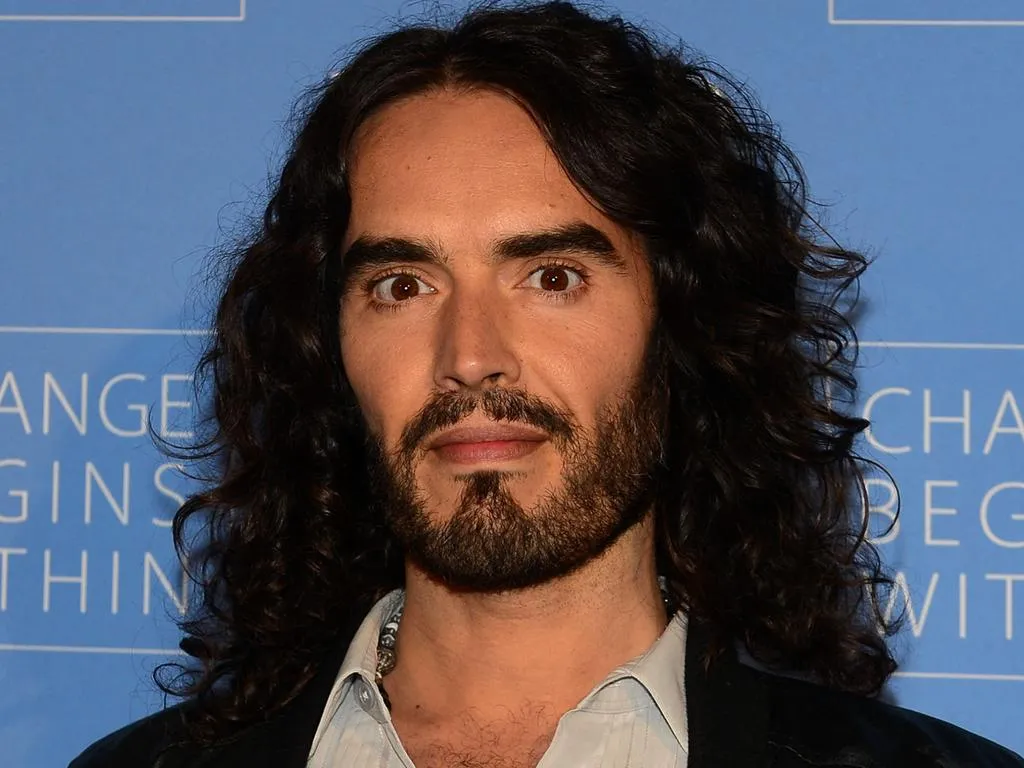 Photo: Russell Brand, via content.api.news
The key is timing. The spiritual awakening can't come too quickly (that looks calculated) or too slowly (that looks like damage control). It needs to happen at exactly the right moment when the public is ready to believe in redemption but not quite ready to forget the original transgression.
Step Two: The Exotic Spiritual Shopping Spree
Once the crisis is established, it's time for the spiritual tourism phase. This is where celebrities suddenly develop passionate interests in ancient practices they definitely couldn't pronounce six months earlier. Ayahuasca retreats in Costa Rica, silent meditation retreats in India, shamanic healing in Peru — the more exotic and expensive, the better.
Gwyneth Paltrow has turned this approach into an empire, transforming her spiritual curiosity into Goop's wellness industrial complex. Every crystal, every adaptogen, every $200 meditation cushion becomes evidence of her authentic spiritual journey — and conveniently, something she can sell to her followers.
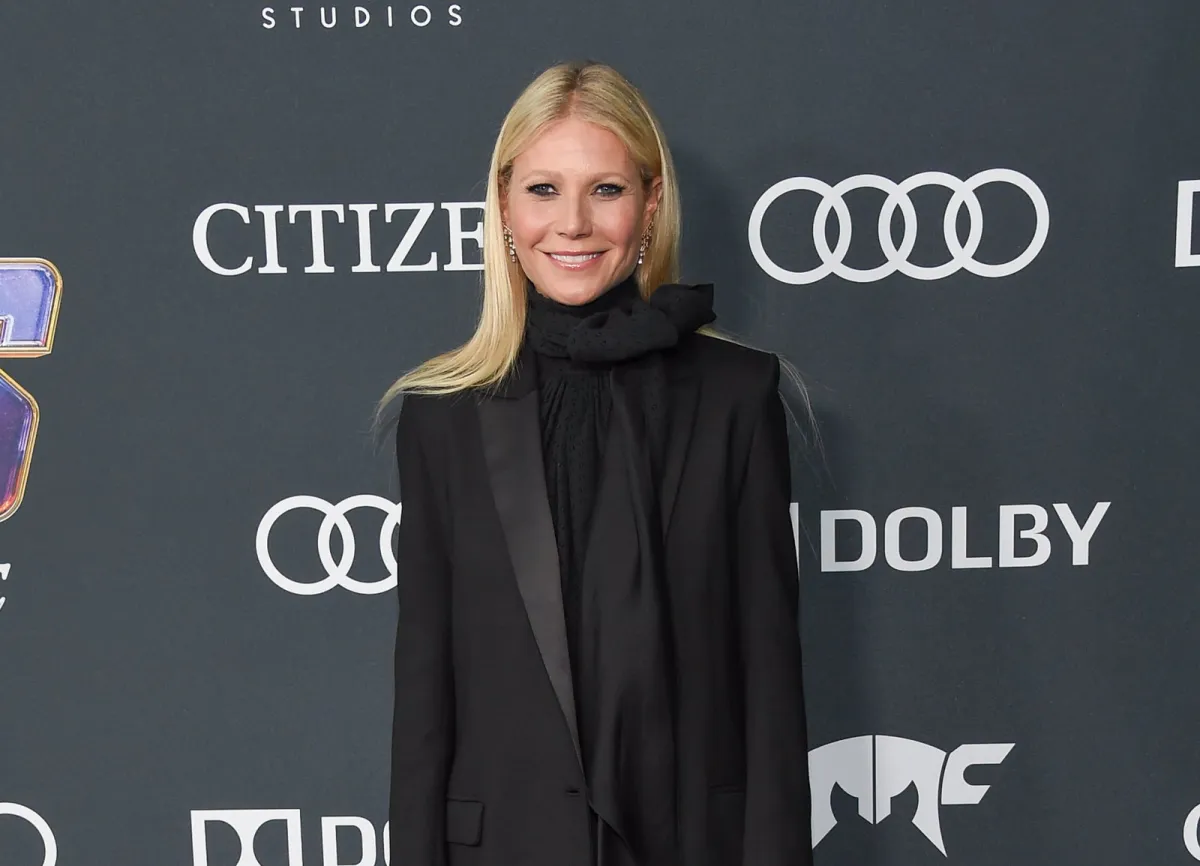 Photo: Gwyneth Paltrow, via celebhealthmagazine.com
The genius of the exotic spiritual shopping spree is that it's inherently photogenic and inherently exclusive. Not everyone can afford to fly to Bali for a month-long silent retreat, which makes the celebrity's spiritual journey feel both aspirational and authentic. They're not just buying enlightenment; they're buying enlightenment that most people can't access.
Step Three: The Lifestyle Brand Enlightenment
The final phase of the celebrity spirituality pipeline is perhaps the most cynical: turning spiritual awakening into spiritual capitalism. The journey from rock bottom to enlightenment becomes content, the healing practices become products, and the personal transformation becomes a public brand.
Jada Pinkett Smith has mastered this transition, parlaying her spiritual journey into Red Table Talk conversations that feel both deeply personal and strategically valuable. Her openness about healing, growth, and spiritual practice creates content that's simultaneously authentic and monetizable.
The transformation is always the same: what started as a private spiritual crisis becomes a public spiritual platform. The celebrity doesn't just find peace; they find a way to package that peace and sell it back to the fans who watched their breakdown in real time.
The Kabbalah Moment: When Ancient Wisdom Meets Modern PR
No discussion of celebrity spirituality would be complete without acknowledging the Kabbalah moment of the early 2000s, when Madonna single-handedly made Jewish mysticism the hottest trend in Hollywood. The red string bracelets, the Hebrew names, the sudden devotion to ancient texts — it was celebrity spiritual awakening at its most visible and most mocked.
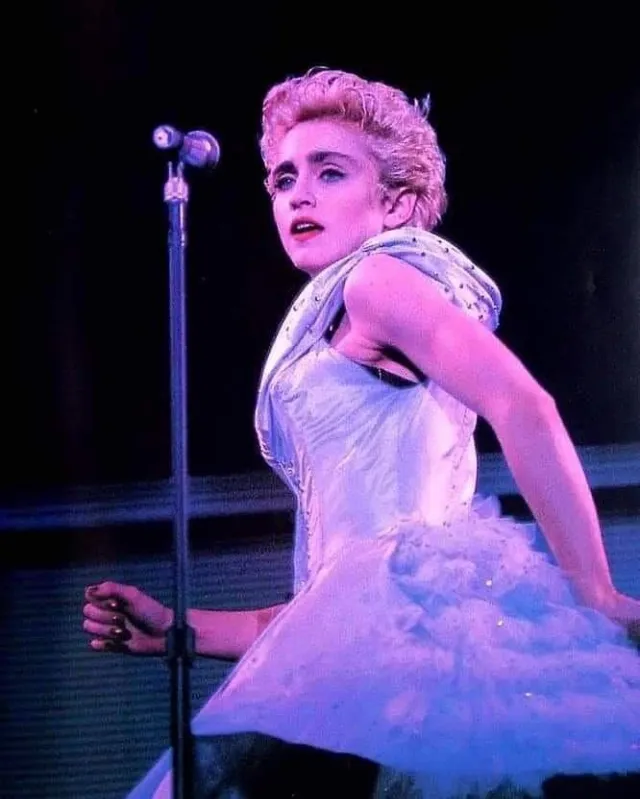 Photo: Madonna, via 1.bp.blogspot.com
But Madonna's Kabbalah phase established the template that every celebrity spiritual journey still follows: take an ancient, complex spiritual tradition, extract the most photogenic elements, add some exclusive access and expensive guidance, then present the whole package as authentic personal transformation.
The backlash was swift and brutal, but the model was effective. Madonna successfully rebranded herself from controversial pop star to serious spiritual seeker, and the career longevity that followed suggests the strategy worked.
The Ayahuasca Industrial Complex
The modern version of celebrity spiritual tourism centers around psychedelic experiences, particularly Ayahuasca retreats that promise profound healing and spiritual insight. The appeal is obvious: it's exotic enough to feel authentic, intense enough to justify major life changes, and exclusive enough to maintain celebrity credibility.
Aaron Rodgers has become the poster child for this approach, openly discussing how psychedelic experiences transformed his perspective on life, football, and relationships. The narrative is compelling: elite athlete discovers that peak performance requires spiritual alignment, not just physical training.
But the Ayahuasca celebrity pipeline raises uncomfortable questions about spiritual colonialism and the commodification of indigenous practices. When celebrities pay thousands of dollars for "authentic" ceremonies that are then packaged into lifestyle content, who's really being served by the spiritual awakening?
The Social Media Spirituality Paradox
The most fascinating aspect of celebrity spirituality is how it plays out on social media. Platforms that are fundamentally about ego, performance, and public validation become the primary venues for sharing journeys toward humility, authenticity, and inner peace.
The contradiction is stark but apparently sustainable. Celebrities post Instagram stories from meditation retreats, tweet about the dangers of materialism while promoting their wellness brands, and use TikTok to share profound spiritual insights that just happen to drive traffic to their latest projects.
The audience seems willing to accept this paradox, perhaps because the alternative — genuine spiritual privacy — would mean missing out on the content entirely. We want to witness the spiritual journey, even if witnessing it fundamentally changes its nature.
The Authenticity Question: Real Healing or Real Strategy?
The ultimate question surrounding celebrity spirituality isn't whether the practices work — meditation, therapy, and spiritual exploration can genuinely help anyone, famous or not. The question is whether the public nature of the journey changes its fundamental character.
When spiritual awakening becomes content, when healing becomes brand building, when enlightenment becomes a career pivot, how much of the original spiritual impulse survives? Can you authentically seek inner peace while simultaneously monetizing that search?
Maybe the answer doesn't matter. Maybe the celebrity spirituality pipeline serves everyone involved: celebrities get redemption narratives and new revenue streams, fans get aspirational content and accessible wellness products, and ancient spiritual traditions get modern platforms and broader audiences.
The Next Evolution: From Individual Healing to Collective Awakening
As celebrity spirituality becomes more common and more sophisticated, we're starting to see the next evolution: celebrities who use their spiritual platforms to address larger social and political issues. The personal transformation becomes a launching pad for collective transformation, and the spiritual awakening becomes a call for societal awakening.
Whether this represents genuine evolution or just more sophisticated branding remains to be seen, but one thing is certain: the celebrity spirituality pipeline isn't going anywhere, and neither are the questions it raises about authenticity, commodification, and the very nature of public spiritual practice in the social media age.