The Celebrity 'Villain Era' Rebrand: How Hollywood's Most Hated Stars Learned to Weaponize the Hate
Remember when being hated in Hollywood meant career suicide? Those days are officially over. Welcome to the villain era, where celebrities have figured out that being universally despised might actually be the fastest route to relevance — and more importantly, revenue.
The playbook is surprisingly simple: lean into the chaos, embrace the cringe, and watch the checks roll in. Stars like Megan Fox, Machine Gun Kelly, and a growing roster of deliberately divisive celebrities have cracked the code on turning public disdain into cold, hard cash.
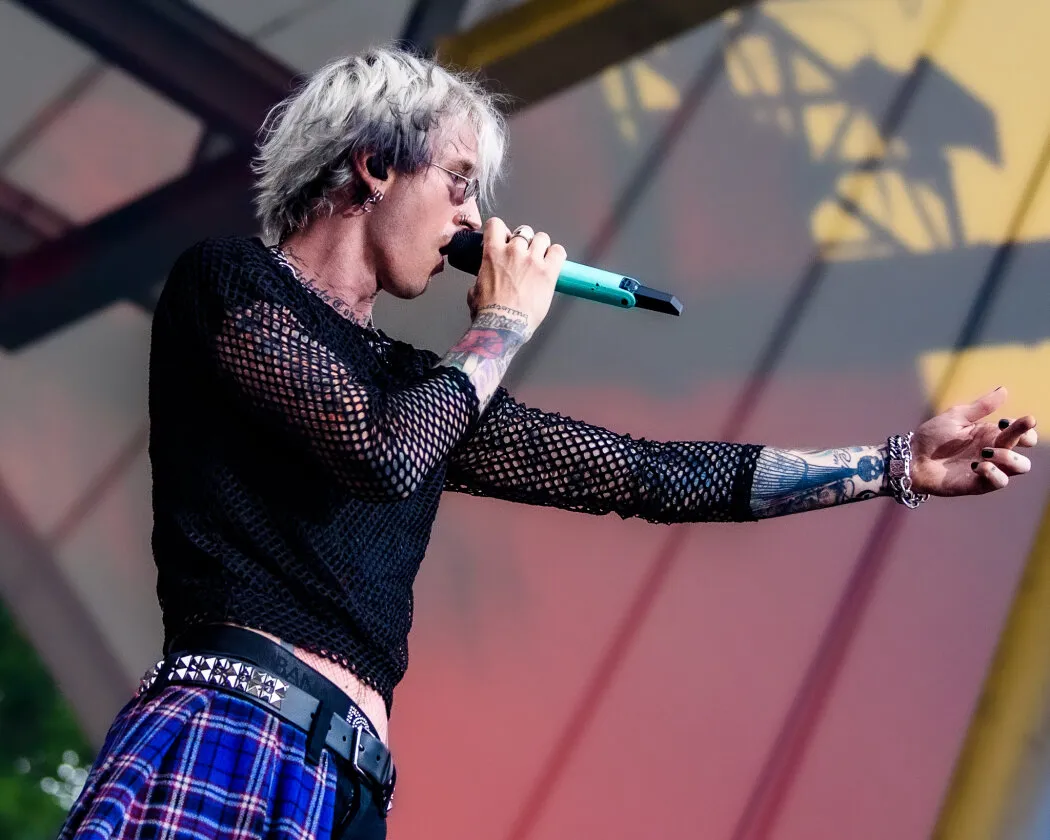 Photo: Machine Gun Kelly, via www.laut.de
The Art of Strategic Chaos
Megan Fox didn't stumble into her current renaissance by accident. After years of being written off as a difficult actress whose career peaked with Transformers, she's orchestrated one of Hollywood's most calculated comebacks — by refusing to come back at all. Instead, she doubled down on everything that made people uncomfortable about her in the first place.
The blood-drinking Instagram posts with Machine Gun Kelly? The unhinged interview quotes about their relationship? The deliberately provocative red carpet moments? It's all part of a carefully crafted villain persona that's generated more headlines than any traditional redemption arc ever could.
"She's not trying to be likeable anymore, and that's exactly why people can't look away," notes one entertainment industry insider. Fox has turned her perceived "weirdness" into a brand asset, complete with partnerships that capitalize on her dark aesthetic and a fanbase that celebrates her refusal to play nice.
Machine Gun Kelly: The Master Class in Manufactured Controversy
Machine Gun Kelly has perhaps perfected the villain era playbook better than anyone. Every beef, every bizarre outfit choice, every cringe-worthy interview moment feels calculated to generate maximum outrage — and maximum engagement.
His ongoing feud with Eminem? Ancient history that he still milks for content. His transition from rapper to pop-punk prince? A genre pivot that conveniently coincided with peak nostalgia for early 2000s angst. Even his relationship with Fox feels like performance art designed to keep both their names trending.
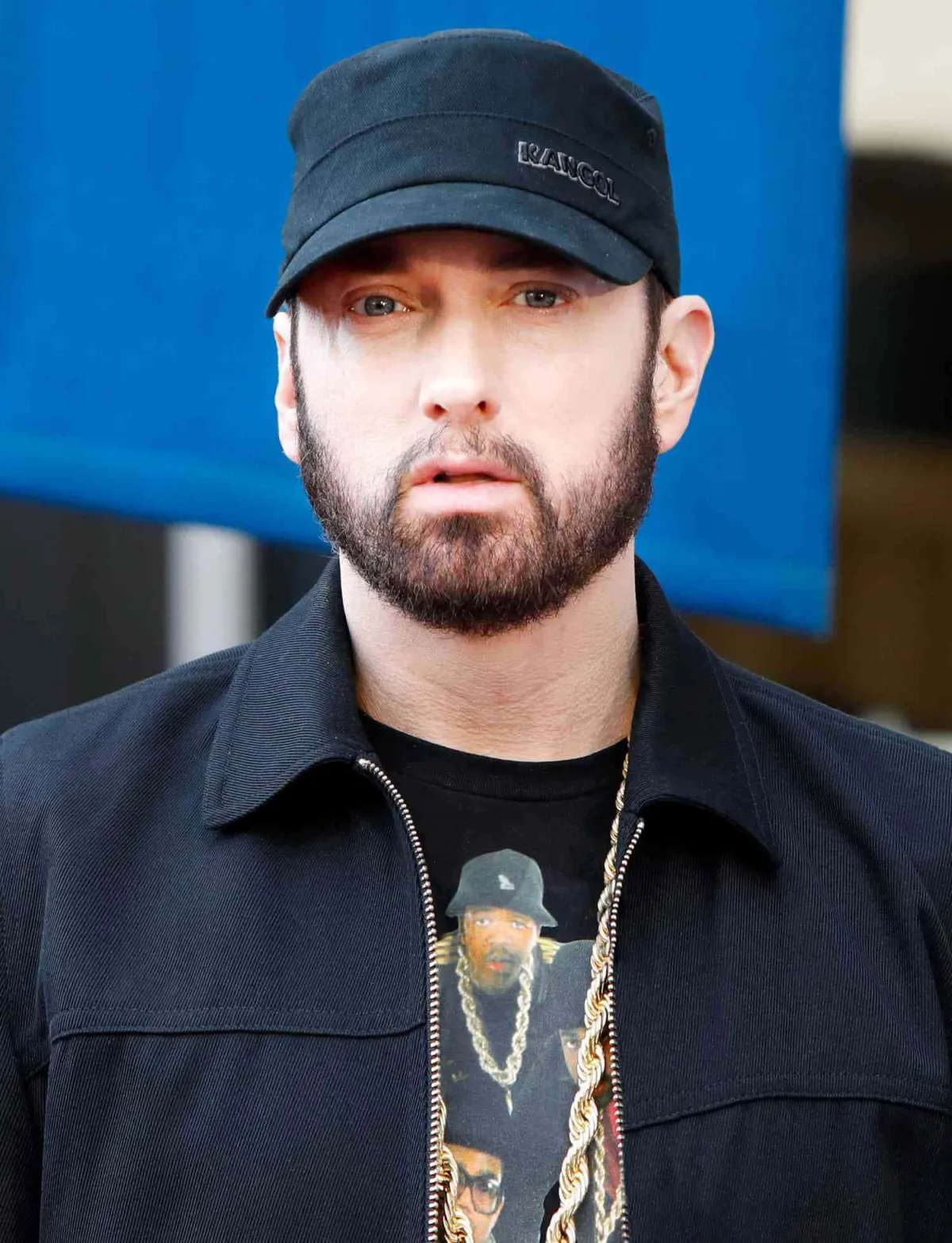 Photo: Eminem, via wallpapers.com
The genius lies in understanding that hate-watching is still watching. MGK's concerts sell out not despite the mockery, but because of it. His merch drops capitalize on the memes. His music videos rack up millions of views from people who claim to despise everything about him.
The Economics of Being Unlikeable
Here's what traditional PR firms don't want you to know: controversy converts. While other celebrities spend millions trying to rehabilitate their image, villain era stars are monetizing the mess.
Consider the metrics: MGK's most controversial music videos consistently outperform his "safer" content. Fox's most unhinged Instagram posts generate exponentially more engagement than her traditional promotional content. The algorithm doesn't distinguish between love and hate — it just counts clicks.
Brands, surprisingly, are catching on. The right kind of controversy can be more valuable than vanilla approval. Edgy fashion houses, alternative lifestyle brands, and companies targeting Gen Z consumers are increasingly willing to partner with divisive figures who generate authentic engagement over manufactured perfection.
The Fanbase That Feeds on Chaos
Perhaps most importantly, these celebrities have cultivated fanbases that don't just tolerate the chaos — they crave it. Fox and MGK's supporters aren't apologizing for their faves' behavior; they're celebrating it as authentic self-expression in an industry built on fake smiles and calculated responses.
This fanbase represents a generation that grew up online, where being "problematic" is often more interesting than being perfect. They understand that their idols are performing a version of themselves, and they're here for the show.
The Risks of Playing Villain
Of course, weaponizing hate comes with genuine risks. The line between strategic controversy and actual cancelation is thinner than ever, and not every celebrity has the privilege to play villain without consequences.
The strategy works best for stars who already have established careers and can afford to alienate traditional gatekeepers. It's also heavily dependent on staying just controversial enough to generate buzz without crossing into territory that could result in actual legal or professional consequences.
What This Means for Celebrity Culture
The villain era represents a fundamental shift in how fame operates in the digital age. Traditional celebrity management focused on damage control and image rehabilitation. The new model recognizes that in an attention economy, being ignored is the only real death.
This approach also reflects a broader cultural moment where authenticity — even uncomfortable authenticity — is valued over polished perfection. Audiences are increasingly skeptical of celebrities who seem too controlled, too media-trained, too perfect.
The Future of Strategic Infamy
As more celebrities catch on to the villain era playbook, we're likely to see even more calculated chaos in Hollywood. The challenge will be maintaining the delicate balance between controversial and compelling without tipping into genuinely harmful territory.
For now, though, the message is clear: in Hollywood's current landscape, being hated might just be the smartest career move you never saw coming — as long as you're smart enough to cash in on the chaos.