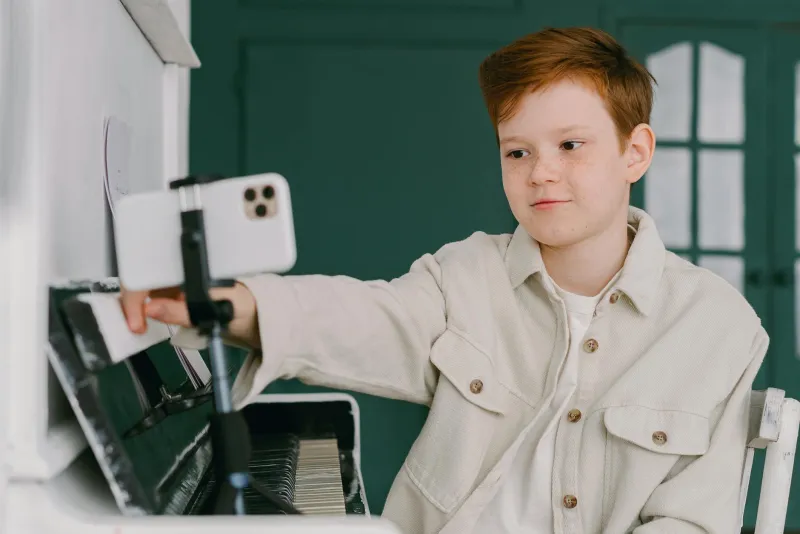
There's a generation of celebrities who never got the luxury of growing up in private. While previous generations of stars could stumble through their awkward phases away from the spotlight, today's young celebrities have had every misstep, growth spurt, and identity crisis documented by millions of followers. The result? A fundamentally different kind of star — one shaped as much by algorithm feedback as by traditional industry mentorship.
The Disney-to-TikTok Pipeline: Growing Up in Public 2.0
Olivia Rodrigo perfectly embodies this phenomenon. At 21, she's already navigated a Disney Channel stint, a chart-topping debut album, and the kind of media scrutiny that would have broken celebrities half a generation ago. But unlike previous Disney alumni who had to rebuild their image after leaving the Mouse House, Rodrigo has been in constant conversation with her audience throughout her evolution.
Her social media presence isn't managed by a team of PR professionals crafting carefully curated posts. Instead, it feels like watching a talented teenager figure out fame in real-time, complete with the vulnerability, authenticity, and occasional oversharing that comes with growing up online. The trade-off? She's never had the chance to develop a sense of self separate from public opinion.
The Parasocial Performance Trap
Sabrina Carpenter represents another fascinating case study in internet-raised celebrity. Having started her career on Disney Channel at 14, she's spent nearly a decade building a relationship with fans who feel like they've watched her grow up. Her social media feeds read like a diary shared with millions, creating an intimacy that traditional celebrities could never achieve — and a pressure they never had to endure.
The challenge for stars like Carpenter is distinguishing between authentic self-expression and what industry insiders call "parasocial performance" — the unconscious adaptation of personality traits that generate positive fan responses. When millions of people are constantly reacting to your every move, it becomes nearly impossible to separate who you really are from who the algorithm rewards you for being.
Algorithm Anxiety: When Engagement Becomes Everything
Unlike previous generations of celebrities who could gauge their popularity through album sales or box office numbers, internet-raised stars have access to real-time feedback on everything from their outfit choices to their political opinions. The constant stream of likes, comments, and shares creates what psychologists are calling "algorithm anxiety" — the compulsive need to create content that generates engagement, even when it conflicts with personal boundaries.
This phenomenon is particularly visible among former Disney stars who've transitioned to music careers. Their social media strategies often involve a delicate balance between maintaining the wholesome image that built their fanbase while demonstrating enough growth and edge to be taken seriously as adult artists. The pressure to thread this needle while millions watch has led to some spectacular public breakdowns and several high-profile social media hiatuses.
The Authenticity Paradox
Here's the cruel irony: the internet promised these young celebrities a direct line to their fans, bypassing traditional media gatekeepers and allowing for more authentic connections. Instead, it created a different kind of performance pressure. When every casual Instagram story is screenshot and analyzed, when every TikTok comment is dissected for hidden meaning, authenticity itself becomes a carefully managed brand asset.
Many of these internet-raised stars report feeling like they're constantly performing a version of themselves that their audience expects, rather than simply being themselves. The "authentic" moments that fans crave often require just as much strategic planning as traditional PR campaigns, creating a exhausting cycle of manufactured spontaneity.
The Mental Health Tax
The psychological cost of growing up with millions of digital parents is only now becoming clear. Industry therapists report a significant increase in anxiety, depression, and identity disorders among young celebrities who came of age online. The inability to make mistakes privately, to experiment with identity away from public scrutiny, or to have genuine relationships outside the context of content creation has created what some experts call "digital development disorder."
The most successful of these internet-raised celebrities have learned to set boundaries, but the learning curve is steep and the mistakes are public. For every star who figures out how to maintain their mental health while staying connected to their fanbase, there are several others who burn out, disappear from social media entirely, or struggle with substance abuse and other coping mechanisms.
The Upside of Unfiltered Fame
Despite the challenges, there are significant advantages to growing up famous in the internet age. These celebrities often have a more sophisticated understanding of their audience, better control over their narrative, and the ability to build sustainable careers without relying solely on traditional industry gatekeepers. They're also more likely to use their platforms for social causes and to maintain closer relationships with their fanbases throughout their careers.
Stars like Rodrigo and Carpenter have shown that it's possible to maintain authenticity while navigating internet fame, but it requires a level of self-awareness and boundary-setting that most teenagers — famous or not — simply don't possess.
The Future of Internet-Raised Stardom
As this generation of celebrities continues to mature, they're creating new templates for what sustainable internet fame looks like. The most successful are learning to use social media strategically rather than compulsively, to share enough to maintain connection without sacrificing privacy, and to remember that their worth isn't determined by engagement metrics.
The question remains whether the next generation of internet-raised celebrities will learn from these early pioneers or whether each new cohort will have to learn these lessons the hard way. One thing is certain: the internet may have promised these stars a direct line to their fans, but nobody warned them it was a two-way street with no off switch — and the toll booth never stops collecting.