The Parasocial Paycheck: How Celebrities Are Monetizing Your Delusion That You're Actually Friends
Remember when celebrity access meant catching a glimpse at the grocery store or maybe scoring an autograph outside a venue? Those days are dead and buried, replaced by something far more profitable: the illusion that Taylor Swift actually cares about your Tuesday.
Welcome to the parasocial economy, where celebrities have weaponized your need for connection and turned it into a subscription service. From $50-a-month Discord servers where stars "personally" respond to fans, to Substack newsletters promising "raw, unfiltered thoughts," the entertainment industry has discovered that intimacy — even the manufactured kind — is the ultimate luxury product.
The New Gold Rush of Fake Friendship
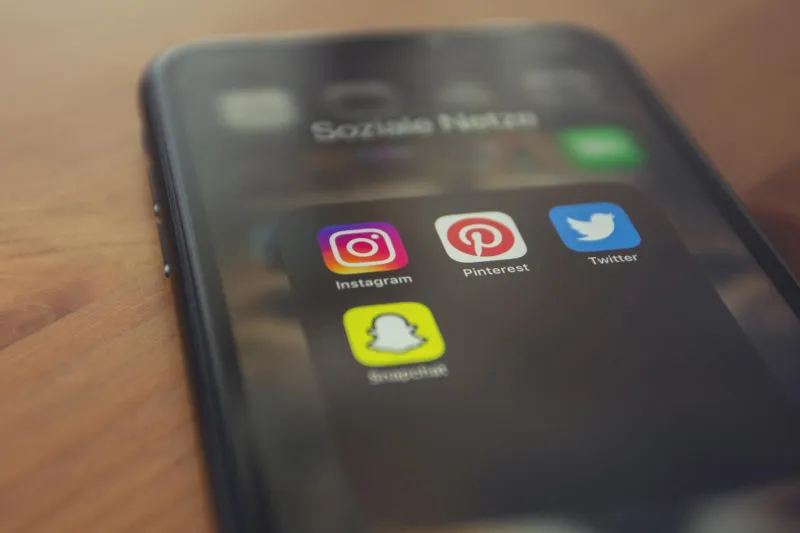
The numbers don't lie, and they're frankly unsettling. Cameo, the platform where celebrities record personalized messages, processed over $100 million in bookings in 2021. OnlyFans isn't just for adult content anymore — mainstream celebrities are using it to share "behind-the-scenes" content for monthly fees that would make your therapist blush. Even A-listers like Cardi B have launched premium Snapchat accounts, charging fans for the privilege of seeing her "real" life.
But the real innovation isn't in the platforms — it's in the psychology. These aren't just transactions; they're emotional investments. Fans aren't buying content; they're buying the fantasy of mattering to someone famous.
The Discord Delusion
Perhaps nowhere is this more evident than in celebrity Discord servers, the latest frontier in monetized intimacy. For anywhere from $20 to $200 monthly, fans can join "exclusive" communities where their favorite stars allegedly hang out, chat, and share personal updates.
The genius is in the setup: these servers create the illusion of spontaneous interaction while being carefully managed experiences. When a celebrity drops into the chat for fifteen minutes, it feels organic. What fans don't see is the team of social media managers orchestrating these "authentic" moments, the predetermined talking points, or the fact that their idol is probably multitasking through three other revenue streams.
The Substack Confession Booth
Then there's the newsletter phenomenon. Celebrities from Alec Baldwin to Busy Philipps have launched Substack publications, promising subscribers "unfiltered access" to their thoughts and daily lives. The pitch is always the same: this is the real me, the person behind the public persona, sharing intimate details you can't get anywhere else.
The reality? Most of these newsletters read like carefully crafted PR exercises, designed to make readers feel like confidants while revealing absolutely nothing of substance. It's therapy-speak meets brand management, packaged as authenticity and sold at premium prices.
The Psychology of Paying for Pretend
Why do fans fall for it? The answer lies in our fundamental need for connection in an increasingly isolated world. Parasocial relationships — one-sided emotional connections with media figures — have existed as long as entertainment itself. But social media has supercharged these bonds, making them feel reciprocal even when they're not.
Dr. Alice Marwick, a researcher at the University of North Carolina who studies social media and celebrity culture, explains it simply: "These platforms exploit the human desire for recognition and belonging. When a celebrity responds to your comment or mentions your name in a video, it triggers the same emotional response as genuine friendship, even though the relationship is fundamentally unequal."
The Masters of Manufactured Intimacy
Some celebrities have turned this into an art form. Take YouTuber-turned-mainstream-celebrity Emma Chamberlain, who built an empire on seeming relatable and accessible. Her coffee company, Chamberlain Coffee, doesn't just sell products — it sells the fantasy of sharing a morning routine with your best friend Emma. Her podcast feels like a phone call with your bestie, complete with rambling tangents and "vulnerable" overshares that are anything but spontaneous.
Then there's the OnlyFans revolution, where celebrities like Blac Chyna and Cardi B have discovered they can charge fans for the same content they used to post for free on Instagram — with the added promise of "personal interaction." The monthly subscription model ensures steady revenue while the comment feature maintains the illusion of dialogue.
The Dark Side of Digital Intimacy
But here's where it gets uncomfortable: this economy preys on loneliness and social isolation, particularly among young people who've grown up online. Fans aren't just buying entertainment; they're buying emotional labor, connection, and validation from people who will never actually know they exist.
The most troubling aspect might be how normalized it's become. Paying $30 a month to feel close to a celebrity is now considered standard fan behavior, not a concerning sign of parasocial dependency. The line between support and exploitation has been so thoroughly blurred that questioning it feels almost revolutionary.
When Authenticity Becomes a Business Model
The cruel irony is that the more celebrities monetize authenticity, the less authentic they become. Every "candid" moment is now potentially content, every personal revelation a possible revenue stream. The result is a performance of realness that's often more artificial than traditional celebrity personas ever were.
Some stars have been surprisingly honest about this calculation. In a rare moment of transparency, one TikTok celebrity admitted that their "authentic" content is actually more work than their polished posts because "authentic has to look effortless, which takes way more effort."
The Future of Fake Friendship
As technology evolves, so will the monetization of parasocial relationships. We're already seeing AI chatbots trained on celebrity personalities, allowing fans to have "conversations" with their idols 24/7. Virtual reality experiences promising "private hangout sessions" with stars are in development. The logical endpoint isn't hard to imagine: fully personalized celebrity interactions, algorithmically optimized for maximum emotional impact and minimum actual celebrity involvement.
The Bottom Line
The parasocial economy isn't going anywhere because it serves both sides too well. Celebrities get steady revenue streams with minimal effort, while fans get the dopamine hit of feeling special and seen. But perhaps it's time to acknowledge what we're really buying: not friendship or connection, but the temporary relief from the reality that we don't actually matter to these people at all.
The next time a celebrity asks you to join their "inner circle" for just $19.99 a month, remember — the only thing authentic about the transaction is the money leaving your account.