The Performance of Privacy
When Jennifer Lawrence trips on the red carpet, it's endearing. When she's photographed looking flawless while 'casually' grabbing coffee in a designer outfit that perfectly matches her latest movie's aesthetic, well — that's just good business. The dirty little secret of Hollywood isn't that celebrities hate paparazzi; it's that they need them more than they'll ever admit.
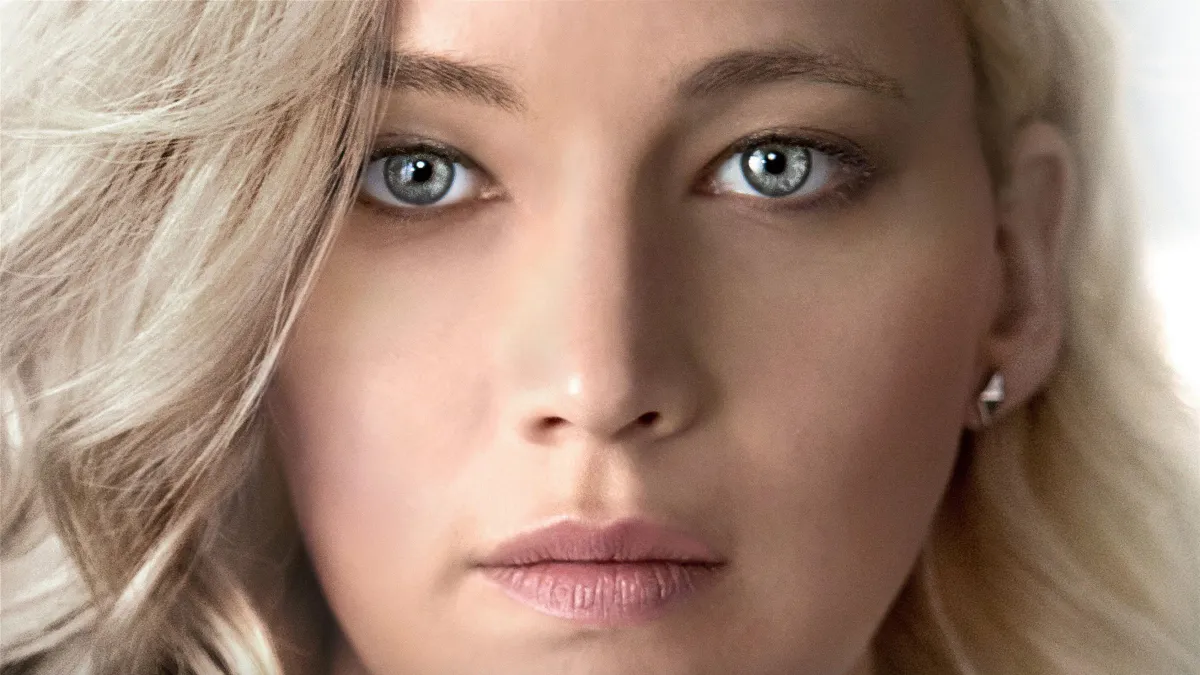 Photo: Jennifer Lawrence, via wallpapercave.com
The symbiotic relationship between stars and the photographers they publicly villainize has evolved into a sophisticated machine worth millions of dollars annually. What looks like invasive photography is often carefully orchestrated theater, complete with wardrobe consultants, location scouts, and payment structures that would make your accountant weep.
The Economics of 'Candid' Moments
According to industry insiders, a standard paparazzi tip can range anywhere from $500 for a low-tier reality star to $50,000 for an A-lister's 'exclusive' family outing. The biggest agencies — Backgrid, X17 Online, and Splash News — operate like talent agencies in reverse, maintaining relationships with publicists, assistants, and sometimes the celebrities themselves.
"It's not just about the money," explains a former agency photographer who spoke on condition of anonymity. "It's about narrative control. A celebrity can't post a thirst trap on Instagram and maintain their 'girl next door' image, but they can be 'caught' looking amazing while walking their dog."
The process is surprisingly methodical. A celebrity's team reaches out with a location and time window. The photographer positions themselves strategically, often with multiple angles covered. The star emerges, seemingly unaware, but hitting their marks like they're on a movie set. The 'candid' shots are reviewed before publication, with unflattering images killed and the best ones fast-tracked to outlets.
The Tell-Tale Signs of Staged Spontaneity
Once you know what to look for, the theater becomes obvious. That perfect lighting hitting their face during a supposedly impromptu beach walk? That's golden hour timing, not coincidence. The way their outfit perfectly complements the background? Wardrobe planning. The fact that their hair and makeup look red-carpet ready for a 'quick grocery run'? Professional preparation.
Social media has made the game even more complex. Celebrities now coordinate their paparazzi photos with their Instagram strategy, creating a multi-platform narrative that feels authentic while being completely manufactured. The goal is to appear relatable and accessible while maintaining the mystique that keeps them relevant.
The Backgrid Files
Backgrid, the industry's biggest player, has become synonymous with celebrity-friendly paparazzi work. Their watermark appears on suspiciously perfect shots of stars doing mundane activities — always looking incredible, always perfectly framed, always conveniently timed with a project launch or relationship milestone.
The agency's business model depends on these relationships. They're not lurking in bushes; they're on speed dial. When a celebrity needs to be seen, Backgrid delivers. When they need privacy, the cameras disappear. It's a level of control that makes the traditional paparazzi narrative — predatory photographers versus helpless celebrities — look quaint.
The Privacy Paradox
The most cynical part of this system is how celebrities maintain their victim narrative while actively participating in it. They'll complain about privacy invasion in interviews while their teams are scheduling the next 'candid' shoot. They'll sue publications for unauthorized photos while paying for authorized ones that look unauthorized.
This isn't to say that genuinely invasive paparazzi behavior doesn't exist — it absolutely does, and it's problematic. But the line between harassment and collaboration has become so blurred that audiences can no longer distinguish between violation and performance.
The New Rules of Engagement
The pandemic changed the game entirely. With red carpets canceled and public events limited, celebrities needed new ways to stay visible. The paparazzi industry pivoted, focusing on lifestyle content — workout shots, family moments, and fashion statements disguised as daily activities.
This shift made the choreography even more obvious. Suddenly, every celebrity was having the most photogenic pandemic experience possible, complete with designer athleisure and perfectly messy hair.
What This Means for Celebrity Culture
The paparazzi conspiracy reveals something deeper about celebrity culture: authenticity is the most manufactured product in Hollywood. Every 'real' moment is calculated, every 'candid' shot is curated, and every complaint about privacy invasion is part of the performance.
For fans, this creates a strange dynamic. They're consuming content designed to feel authentic while knowing, on some level, that it's completely fabricated. The celebrities they follow aren't sharing their real lives; they're sharing carefully crafted versions of their real lives, designed to maximize both relatability and aspiration.
The paparazzi industry has essentially become an extension of celebrity PR, with photographers serving as unofficial employees rather than independent journalists. It's a system that benefits everyone except the audiences who believe they're getting unfiltered access to their favorite stars.
In the end, the next time you see a 'candid' photo of a celebrity looking impossibly perfect while doing something impossibly mundane, remember: you're not seeing their real life — you're seeing the most expensive home movie ever made.