North, Apple, Gravity: How Celebrity Baby Names Became the Internet's Most Chaotic Sporting Event
North, Apple, Gravity: How Celebrity Baby Names Became the Internet's Most Chaotic Sporting Event
It takes approximately four minutes after a celebrity birth announcement for the name to start trending.
Four minutes for the jokes to begin. Four minutes for the think pieces to start drafting themselves in real time. Four minutes for at least one person on X (formerly Twitter) to declare it 'child abuse' and at least one other person to call it 'visionary.' Four minutes for a BuzzFeed-style ranking of all the celebrity baby names of the year to be updated with the newest entry.
The child in question has been alive for, at most, a few hours. They have not yet opened their eyes fully. They do not know what a meme is. And yet their name — chosen, debated, possibly legally vetted, and definitely Googled by both parents at 2 a.m. during the third trimester — has already become a cultural event.
This is the celebrity baby name industrial complex. And it is absolutely unhinged. And we love it.
The Name That Started the Conversation
Most cultural historians of celebrity nonsense (a noble field) point to Apple Martin as the moment the celebrity baby name became a thing unto itself.
When Gwyneth Paltrow and Chris Martin announced in 2004 that they'd named their daughter Apple, the reaction was swift, bewildered, and — in retrospect — kind of overblown. Apple is, by 2025 standards, practically conservative. It's a fruit. It's cheerful. It has two syllables. Gwyneth explained at the time that it felt 'sweet and wholesome,' and honestly? She wasn't wrong. Apple Martin has grown up to be a perfectly normal young woman with a healthy Instagram presence and an apparent sense of humor about the whole thing.
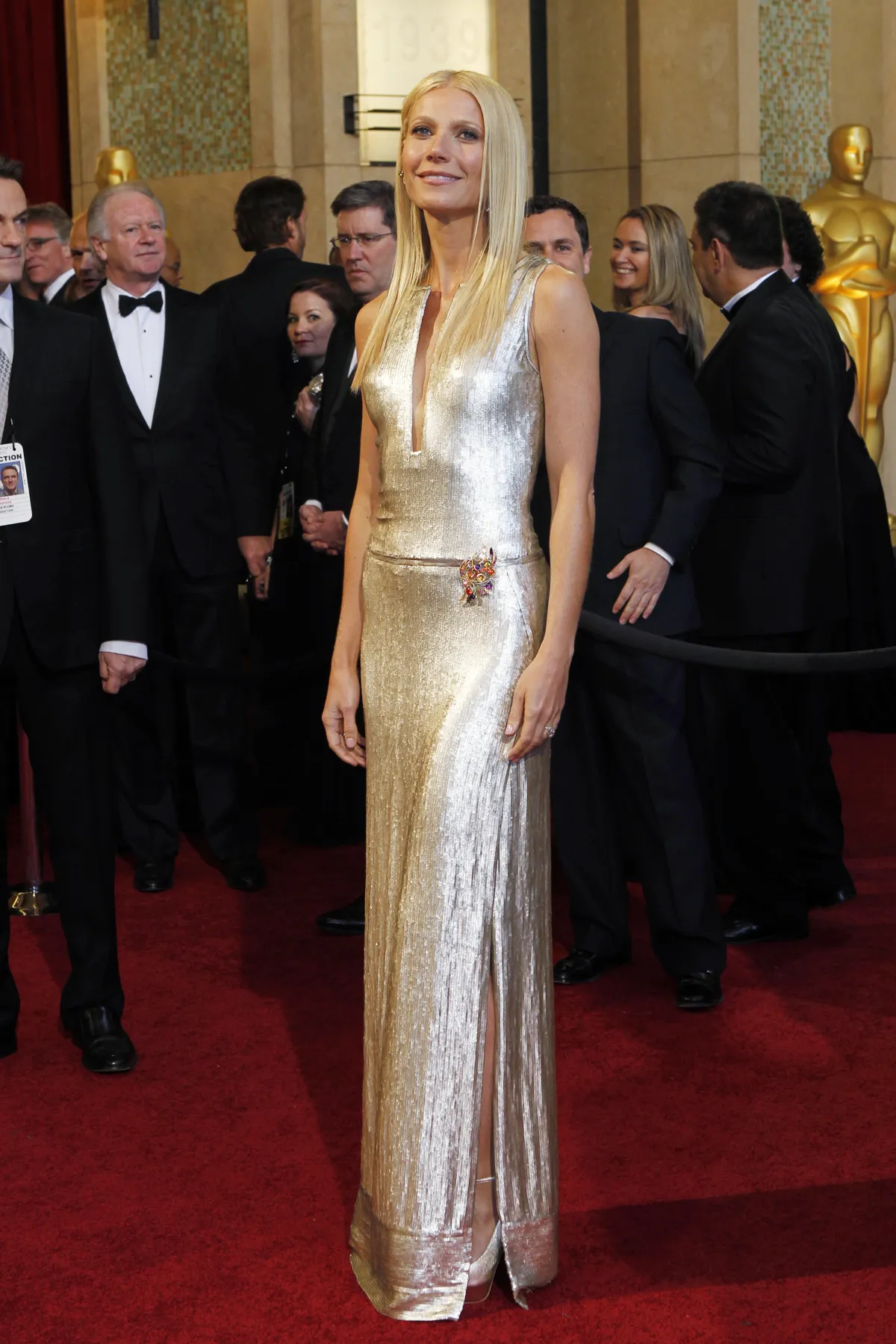 Photo: Gwyneth Paltrow, via wwd.com
But the reaction to Apple in 2004 established a template that has never gone away: celebrity announces unusual baby name, internet performs collective outrage or bewilderment, name becomes cultural shorthand for celebrity excess, child eventually turns out fine.
Repeat. Forever.
The Kardashian-Jenner Effect
No family has shaped the celebrity baby name conversation more aggressively than the Kardashian-Jenner extended universe.
Kim Kardashian and Kanye West's decision to name their first child North West in 2013 was, depending on who you ask, either an act of trolling genius or genuine inspiration. The name works as a compass direction. It works as a concept. It creates a pun with the last name that is either deeply annoying or quietly brilliant. It has spawned a thousand 'going North West' travel captions. North West herself, now a teenager with her own TikTok presence and a budding music career, seems to have made peace with being a directional concept.
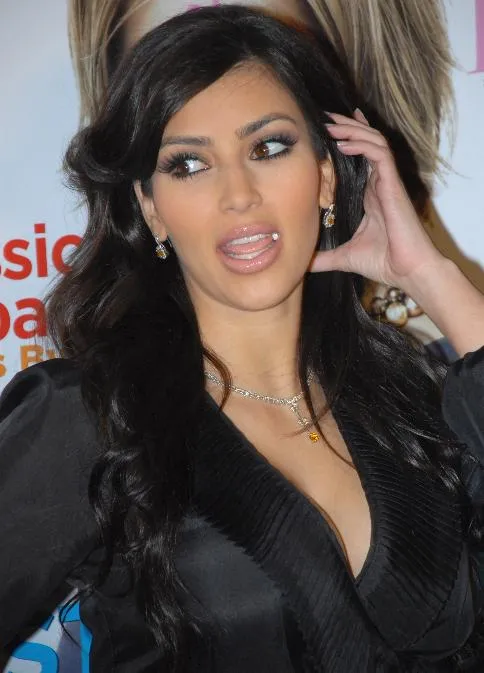 Photo: Kim Kardashian, via www.celebplanes.com
Siblings Saint, Chicago, and Psalm followed. Each announcement generated its own news cycle. Saint was deemed 'too on the nose.' Chicago was called 'actually kind of cool?' Psalm was divisive in the way that anything vaguely biblical tends to be when a Kardashian does it.
Kylie Jenner, meanwhile, named her son Wolf — then changed it, which generated its own separate news cycle — before settling on Aire. Her daughter Stormi remains, objectively, one of the more successful celebrity baby names of the last decade. Stormi is a vibe. Stormi sounds like someone who will be interesting at parties. Stormi works.
The Taxonomy of Celebrity Baby Names
If you study the landscape long enough, certain naming categories emerge with remarkable consistency.
The Celestial Category: Stars, moons, planets, and atmospheric phenomena. Luna (John Legend and Chrissy Teigen's daughter) is the gold standard here — beloved, accessible, and has since become genuinely popular in the US baby name charts. Stormi fits here too. So does Sonny, in a loose, sunshine-adjacent way.
The Virtue or Concept Name: These are the names that are technically words but not traditionally names. Apple lives here. So does Saint. So does Bear (Alicia Silverstone's son, named back in 2011 in what was, at the time, considered peak eccentricity — now it barely registers).
The Place Name: Chicago West. Brooklyn Beckham (who started a whole trend). Blue Ivy Carter, which is technically botanical but feels geographic. These names carry a 'we were somewhere important when we conceived or felt something' energy that is very specific to a certain tax bracket.
The Completely Bespoke Invention: This is where things get genuinely creative. Elon Musk and Grimes named their son X Æ A-12, which is less a name and more a filename, and which California's naming laws ultimately required them to modify. They also have a daughter named Exa Dark Sideræl, which sounds like a boss level in a video game and is, reportedly, what Grimes actually wanted.
The Surprisingly Normal Name: This one gets its own category because it always generates its own version of the news cycle. When celebrities name their children Emma or James or Charlotte, entertainment media covers this as if it's the twist ending of a thriller. 'They went... classic?' Yes. They did. It's fine.
Why They Keep Doing It
The cynical read is that unusual baby names are a form of brand extension. If you are a celebrity whose identity is built around being unconventional, giving your child a conventional name is almost a form of cognitive dissonance. The name signals something about who you are, what you value, how you want to be perceived.
But there's also something more human happening here, even if it gets lost in the noise. Parents — famous or otherwise — want to give their children something meaningful. They want the name to carry weight, to tell a story, to feel like it was chosen with intention rather than pulled from a list. The difference is that when a regular person names their baby River or Juniper, it trends on a parenting forum. When Rihanna does it, it trends globally.
The scale is the distortion. The impulse is pretty universal.
The Ripple Effect on Actual Baby Names
Here's the part that's genuinely fascinating: celebrity baby names move the culture.
According to the Social Security Administration's annual baby name data, names that spike in celebrity birth announcements frequently show up in broader naming trends within one to three years. Luna went from niche to top-20 in the US within four years of John Legend and Chrissy Teigen's announcement. The name Ivy saw a notable uptick following Blue Ivy Carter's arrival. Even Stormi generated search interest and, reportedly, real-world naming interest in certain demographics.
Celebrities are, whether they intend to be or not, taste-makers at the most intimate level imaginable. They are naming trends. Literally.
What Happens Next
The next generation of celebrity baby names is already in motion. As of 2025, several high-profile celebrity pregnancies and recent births are keeping the naming conversation alive across social media, with fans speculating, placing informal bets, and pre-drafting their reactions before the announcement even drops.
That's where we are. We are pre-reacting to names that haven't been chosen yet, for babies who haven't been born yet, belonging to celebrities who haven't confirmed their pregnancies yet.
The industrial complex is fully operational.
Somewhere right now, a famous person is sitting in a nursery, staring at a shortlist of names, completely unaware that whichever one they pick is about to become everyone else's problem — and honestly, that's kind of beautiful.