Everyone Famous Has a Podcast Now — But Who's Actually Worth Your Earbuds?
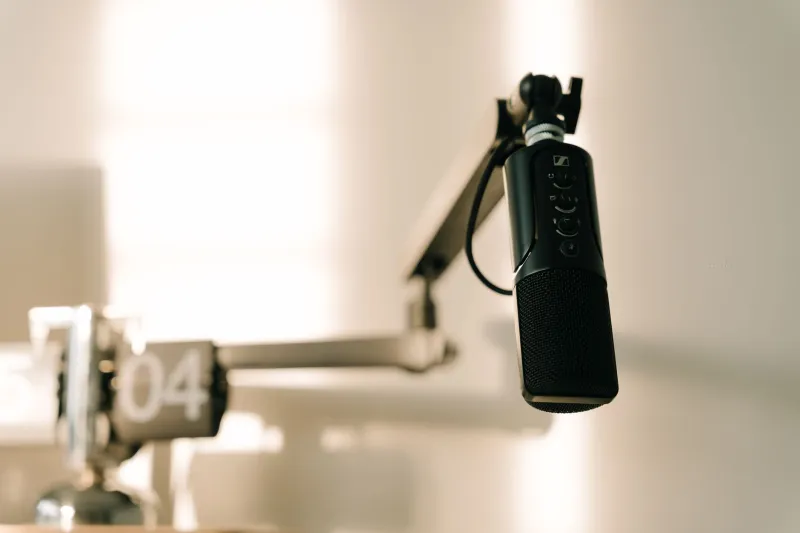
Let's set the scene. A celebrity — let's call them Famous Person X — wraps a press tour, maybe a movie underperformed, maybe a brand deal fell through, maybe they just have thoughts. What happens next is now as predictable as a Marvel sequel announcement: they launch a podcast. There's a logo reveal on Instagram, a trailer with moody background music, and a press release that uses the word "authentic" at least four times. And just like that, the podcast industrial complex has claimed another victim — or another host, depending on how generous you're feeling.
The celebrity podcast boom isn't new, but it has reached a kind of critical mass that's hard to ignore. According to Edison Research's 2024 Infinite Dial report, podcast listenership in the US continues to climb, with over 100 million Americans tuning in weekly. The medium promises intimacy, unfiltered access, and the illusion of a real conversation with someone you've only ever seen on a screen. For celebrities, that's basically a dream format — controlled, long-form, and almost impossible to soundbite into a scandal. Almost.
The Appeal Is Real — So Is the Calculation
To be fair to the famous and the microphone-curious, podcasting does offer something genuinely different from a red carpet interview or a late-night appearance. There's no host cutting you off at the two-minute mark. There's no publicist hovering just off-camera. When it works, it actually works — and some celebrity-hosted pods have built real, loyal audiences that transcend the host's existing fanbase.
Conan O'Brien's Conan O'Brien Needs a Friend is the gold standard here. What started as a post-Late Night pivot became one of the most downloaded comedy podcasts in the country, earning a Spotify exclusive deal reportedly worth tens of millions. The key? O'Brien didn't treat the format as a press junket extension. He leaned into genuine self-deprecation, booked guests he actually found interesting, and — crucially — showed up consistently for years. Jada Pinkett Smith's Red Table Talk (which migrated to Facebook Watch and then effectively wound down) had a similarly strong run when it was operating at full authenticity, drawing millions with raw family conversations that felt genuinely unscripted.
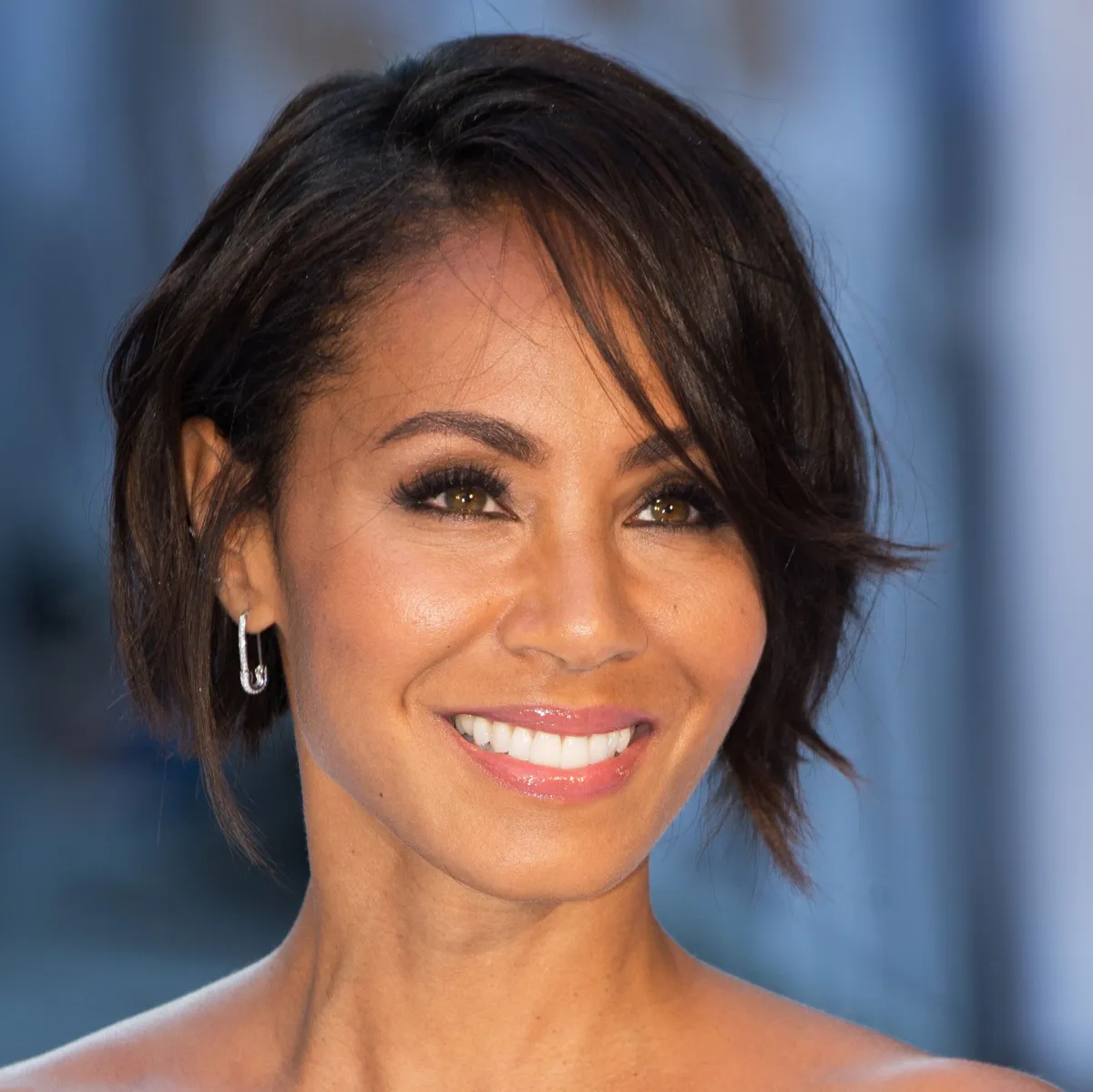 Photo: Jada Pinkett Smith, via cdn.mos.cms.futurecdn.net
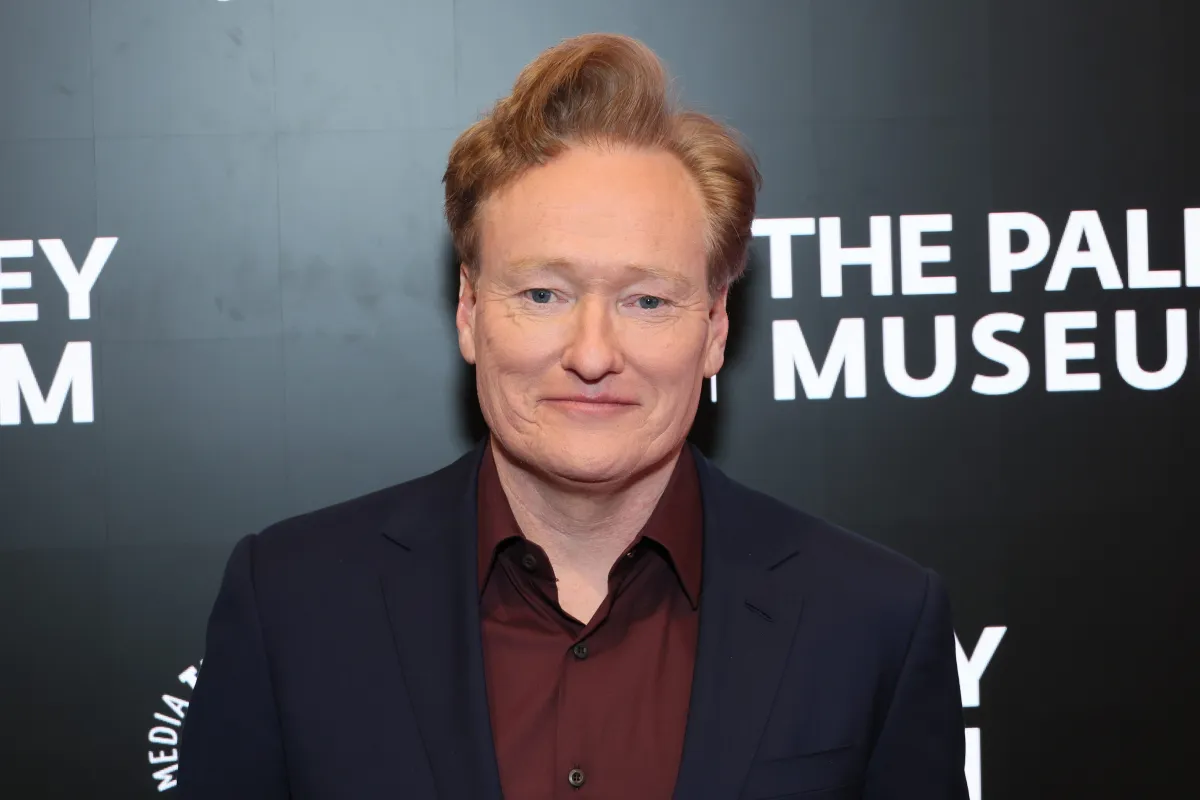 Photo: Conan O'Brien, via hips.hearstapps.com
But for every Conan, there are approximately forty-seven celebrities who launched a podcast, released between eight and fourteen episodes, and then went very quiet.
The Twelve-Episode Graveyard
Podcast analytics platform Chartable — before its acquisition by Spotify — tracked what industry insiders had long suspected: a significant percentage of celebrity-fronted shows drop below the top 200 charts within three months of launch. The pattern is almost comically consistent. Big debut numbers driven by existing fanbase. A few solid early episodes. A gap in the release schedule that gets quietly attributed to "production delays." And then, nothing. The show doesn't get cancelled so much as it just... stops existing.
What's driving the burnout? Sources inside podcast production companies — several of which have signed celebrity deals they'd rather not publicize — say the issue is almost always the same: famous people underestimate how much actual work a weekly show requires. "A lot of celebrities think it's just going to be a chat with their friends," one producer told Vulture last year, speaking anonymously. "But you need prep, you need structure, you need someone who actually wants to sit down and do this every single week, not just when they have something to promote."
That last part is the tell. Pay attention to when a celebrity suddenly gets very active on their podcast. More often than not, it coincides with a project drop, a press tour, or a narrative they need to reframe. The pod becomes a softer, more "authentic" version of the same promotional machine they've always been part of — just with better audio quality and the word "unfiltered" in the episode description.
Listeners Are Catching On
Here's where it gets interesting: audiences are smarter than the strategy gives them credit for. Podcast communities on Reddit — particularly r/podcasts and various celebrity-specific subreddits — have developed a near-scientific ability to clock when a show has shifted from genuine content to promotional vehicle. The discourse around Gwyneth Paltrow's The Goop Podcast was a masterclass in this, with listeners noting early on that episode topics had a suspiciously tight correlation with whatever Goop was selling that month.
Social media has accelerated the accountability cycle too. When a celebrity host fumbles a serious topic, gets caught being underprepared, or books a guest that raises eyebrows, the clip is on Twitter (sorry, X) within the hour. The very intimacy that makes podcasting appealing for celebrities is also what makes it unforgiving — you can't hide behind a stylist or a script when you're forty minutes into a freeform conversation and you've just said something genuinely uninformed.
Who's Actually Getting It Right
Beyond O'Brien, a handful of celebrity-adjacent pods have earned their audience the hard way. SmartLess, hosted by Jason Bateman, Sean Hayes, and Will Arnett, works because the chemistry is real — these are actual friends, and it shows. Call Her Daddy, while not strictly a celebrity show, has become a cultural institution precisely because Alex Cooper treats the format with the seriousness of a media business, not a vanity project. And Dax Shepard's Armchair Expert has quietly become one of the most-downloaded shows in the country by doing something radical: actually preparing for interviews and letting conversations run where they need to go.
The through-line in every success story is the same. Commitment. Preparation. A genuine reason to be doing this beyond "my team thought it was a good idea."
So What Happens Next?
The podcast gold rush isn't over, but it's entering a correction phase. Spotify, which spent billions snapping up celebrity podcast deals during the pandemic boom, has since pulled back significantly — letting go of high-profile contracts and pivoting toward shows with proven, consistent audiences. That shift in platform economics is going to shake out a lot of the vanity projects that were being propped up by production budgets and promotional guarantees.
What's left standing will be the shows that were actually good to begin with — and the celebrities who understood that a microphone isn't a shortcut to credibility. It's just a louder version of whatever you already are.
If your podcast needs a comeback arc six months after launch, maybe the content was the problem all along.