They Said No — And Then the Role Changed Everything: Hollywood's Most Iconic Casting Rejections

They Said No — And Then the Role Changed Everything: Hollywood's Most Iconic Casting Rejections
There's a version of Hollywood history that gets told in acceptance speeches and studio retrospectives, where everything was inevitable — the right actor, the right role, the right moment. Then there's the version that actually happened, which involves a lot more doors slamming, a lot more people being told they're wrong for something, and a lot more industry gatekeepers being spectacularly, historically incorrect about who has what it takes.
The casting rejection hall of fame is one of the most quietly revealing archives in entertainment, because every name in it is a data point in the same argument: that the people who decide who gets to be a star have always been working from a mental image that has more to do with their own limitations than with actual talent.
The Ones Who Got Told "No" Before They Got Told "Yes"
Start with Lupita Nyong'o. Before her Oscar-winning turn in 12 Years a Slave in 2013, Nyong'o was a Yale School of Drama graduate who'd spent years building her craft in relative obscurity. The film industry's appetite for dark-skinned Black women in leading dramatic roles was — to put it diplomatically — not robust. Her casting in Steve McQueen's film wasn't preceded by a bidding war over her services. It was, by most accounts, a discovery moment that the broader industry had not been positioned to facilitate on its own.
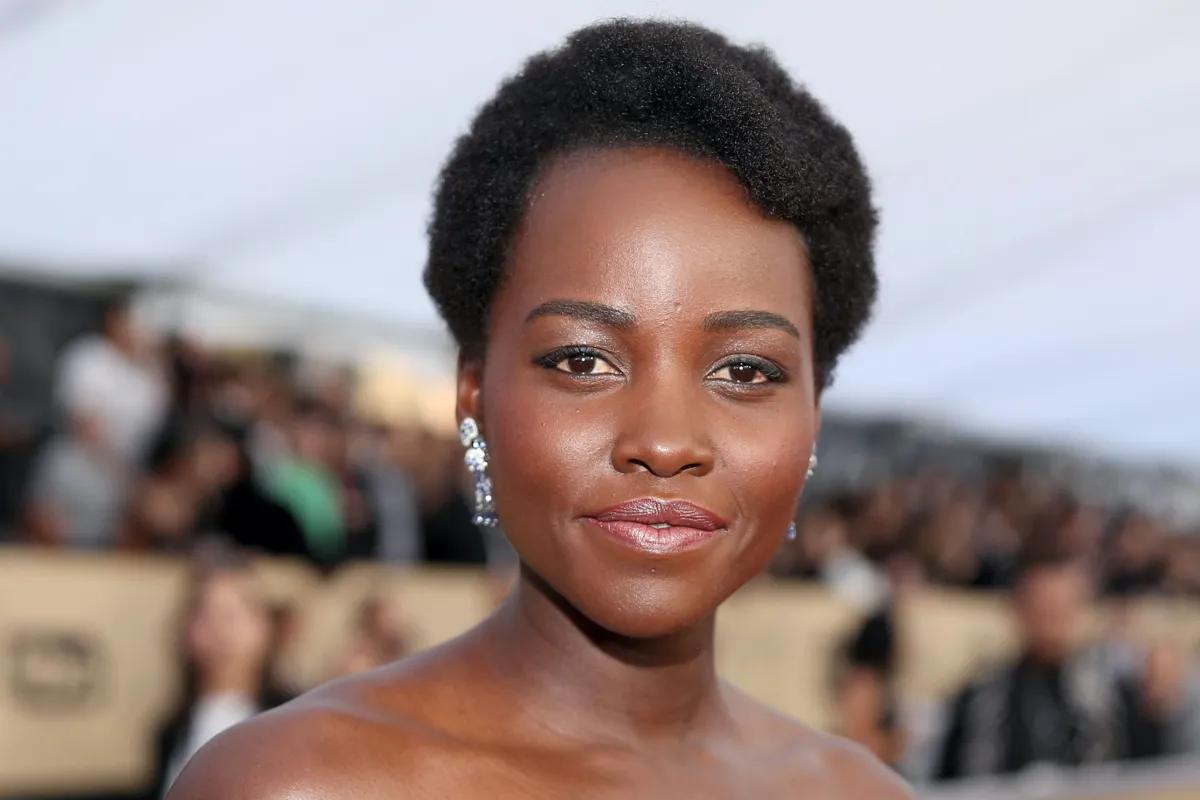 Photo: Lupita Nyong'o, via facts.net
After her Oscar win, Nyong'o spoke publicly about the messages she received growing up about beauty standards and belonging. The industry that handed her a gold statue was, in many ways, the same one that had structurally deprioritized her existence as a leading actress for years. The award was real. The contradiction was also real.
The Audition Stories That Should Have Stayed in the Room
The folklore of Hollywood casting is full of stories that the industry prefers to frame as charming near-misses rather than what they often actually were: evidence of bias operating in plain sight.
Consider the well-documented story of how multiple actors were considered for roles that became synonymous with other people's careers, often for reasons that had nothing to do with performance ability. Will Smith has spoken about turning down the role of Neo in The Matrix — a choice he's reflected on with considerable candor in interviews — but the more interesting version of that story is the one where we ask how many actors didn't get the chance to turn it down, because the audition room was never going to open for them.
Nancy Meyers, the director behind some of Hollywood's most commercially successful romantic comedies, has spoken in interviews about the battles she's had to fight to cast women over 40 in leading roles — in a genre that is, nominally, about adult human relationships. The resistance, she's noted, was institutional rather than individual. Nobody sat in a room and explicitly decided that middle-aged women weren't bankable. It was just the water the industry swam in.
"Too Ethnic" and Other Notes From the Reject Pile
The phrase "too ethnic" has appeared in enough casting notes, recounted in enough memoirs and interviews, that it functions less as a shocking revelation and more as a recurring administrative detail. Actors across generations — from Rita Moreno in the 1950s and 60s to Kal Penn in the early 2000s to a long list of contemporary performers — have described being told, in various phrasings, that their face, their name, their background, or their accent was a problem that needed to be solved before they could be considered for mainstream roles.
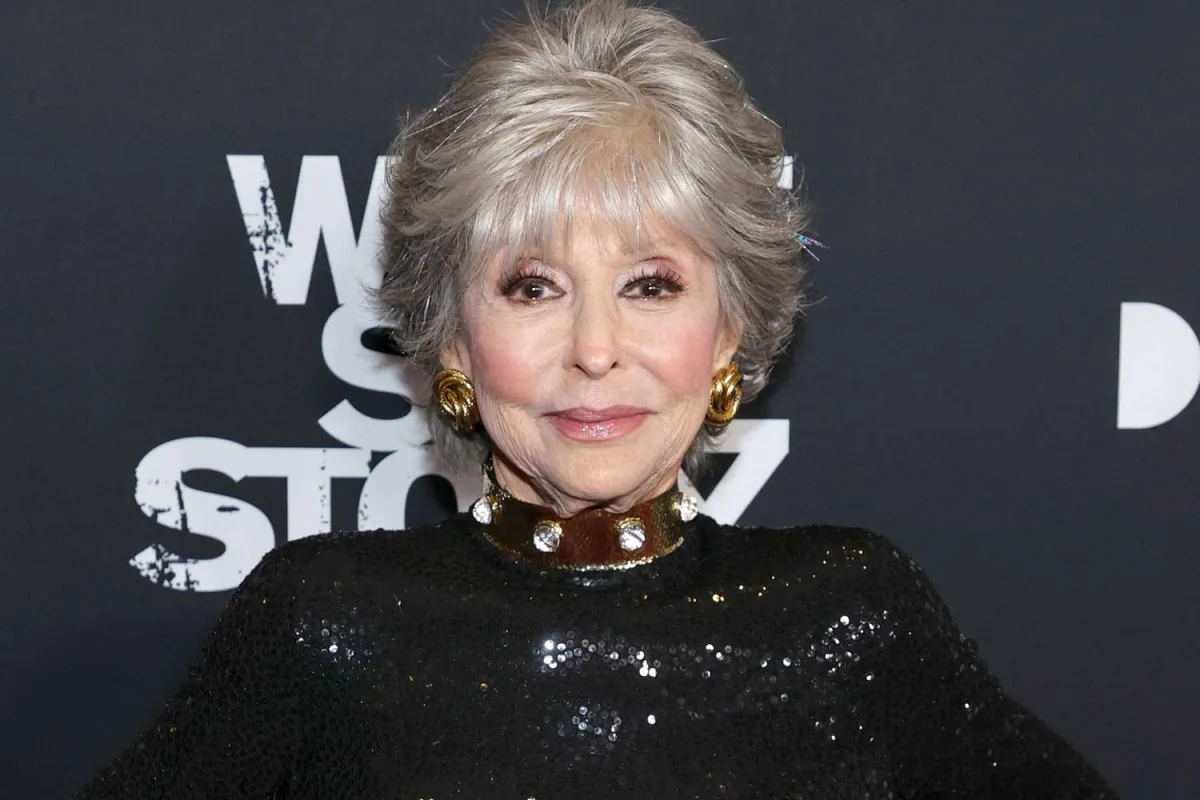 Photo: Rita Moreno, via people.com
Kal Penn spoke to this extensively in his memoir You Can't Be Serious, describing a career built in the face of consistent institutional skepticism about whether South Asian actors could anchor American comedies. Harold & Kumar Go to White Castle, released in 2004, was a film that existed in direct defiance of that skepticism — and its success did not, as one might hope, immediately recalibrate the industry's assumptions. The casting notes kept coming.
For Moreno, the journey was even longer. A Tony, Emmy, Grammy, and Oscar winner — one of the very few EGOT holders in history — she spent decades navigating an industry that wanted her accent and her physicality for specific purposes and then had no idea what to do with the rest of her. Her career is a masterclass in persistence against institutional resistance. It is also, it should be said, a story about how much talent the industry wasted in the years it was busy being wrong about her.
The Unconventional Casting Calls That Changed What "Right" Looks Like
Sometimes the most revealing casting stories are the ones where the actor who got the role was, by conventional industry logic, completely wrong for it — and then proceeded to make the conventional logic look ridiculous.
Robert Downey Jr.'s casting as Tony Stark in the original Iron Man in 2008 was, at the time, considered a significant gamble. His career had been derailed by well-publicized personal struggles throughout the late 1990s and early 2000s, and multiple studios had been reluctant to insure him. Director Jon Favreau famously fought for the casting against considerable resistance. The resulting performance didn't just save Downey's career — it became the load-bearing pillar of the entire Marvel Cinematic Universe, a franchise that has generated over $29 billion at the global box office, per Box Office Mojo.
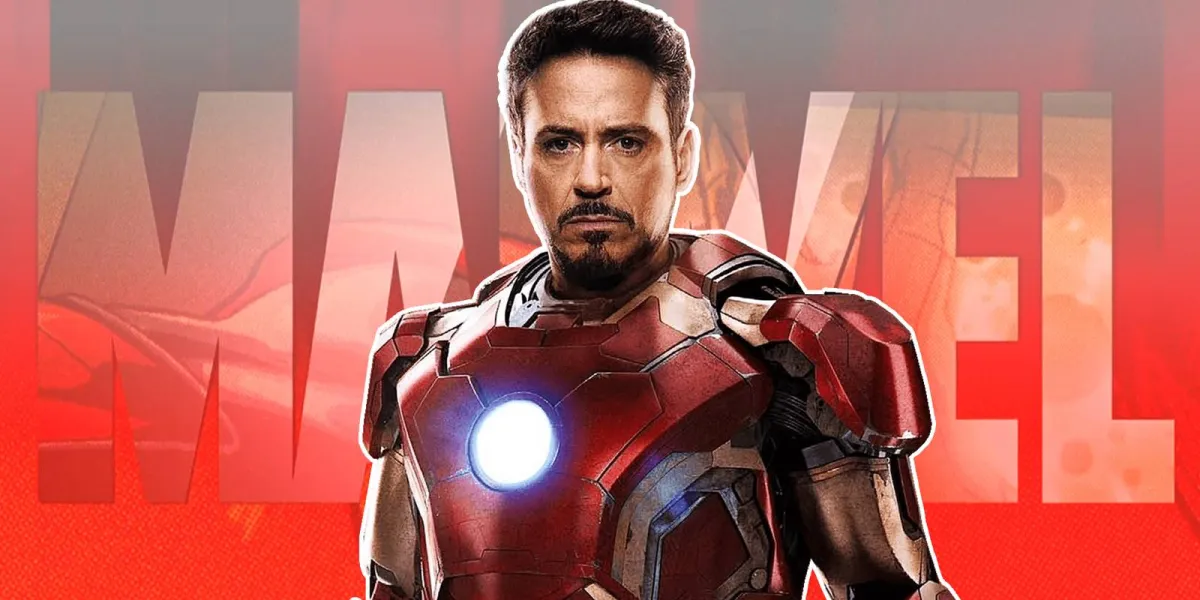 Photo: Robert Downey Jr., via static0.cbrimages.com
The industry's version of that story tends to focus on Downey's triumph. The more instructive version focuses on how close it came to not happening, and what that says about how much the outcome of a film can hinge on one person being willing to override the conventional wisdom.
What the Pattern Is Actually Telling Us
Line up enough of these stories and a shape emerges. The actors who were told they were wrong for a part and then proved everyone wrong tend to share a few characteristics: they didn't fit the mental image of the person making the decision. They were too something — too old, too young, too ethnic, too unconventional, too associated with failure, too much of a risk by metrics that were never actually about artistic potential.
And the roles that ended up defining their careers were, in many cases, roles that the industry's default casting logic would have given to someone safer, blander, and more easily legible within the existing framework of what a star is supposed to look like.
Which raises the question that the industry has never been particularly eager to sit with: how many defining performances never happened? How many actors were told no, accepted that no, and walked away from something that would have been extraordinary — because the person in the room couldn't see past their own assumptions?
The casting rejection hall of fame is full of stories with happy endings, because those are the ones we get to hear. The ones without happy endings don't make it into the acceptance speeches.
The Industry Is Still Learning — Slowly
There are genuine signs of shift. The success of films like Crazy Rich Asians, Black Panther, Coco, and Everything Everywhere All at Once has moved the conversation about representation from moral argument to market argument — which is a less satisfying framing, but arguably a more durable one inside an industry that runs on ROI.
But the casting room is still a room. And rooms have gatekeepers. And gatekeepers have blind spots that tend to look, when examined closely, a lot like the blind spots of every generation of gatekeepers before them — just wearing different clothes.
The role they said you'd never get is still out there — the question is whether the right director is willing to fight for you to have it.