The Celebrity Cameo Economy: How a Three-Second Appearance Became the Most Revealing Thing a Star Can Do
The Three-Second Truth Detector
In Hollywood, nothing reveals a celebrity's actual status quite like their cameo choices. Forget the red carpet poses and carefully curated Instagram feeds — if you want to know where someone truly sits in the entertainment hierarchy, watch what kind of three-second appearances they're willing to make.
A-listers drop into "Saturday Night Live" as surprise hosts. B-listers show up in their friends' music videos. C-listers start charging fans $200 for personalized birthday messages on Cameo. And everyone pretends these brief moments are just "for fun" when they're actually the most honest power rankings in the business.
The Award Show Cameo Power Play
Nothing screams "I'm still relevant" quite like an unexpected award show appearance. When Taylor Swift shows up unannounced at the VMAs or when a retired actor presents an Oscar, it's not spontaneous — it's strategic positioning disguised as surprise.
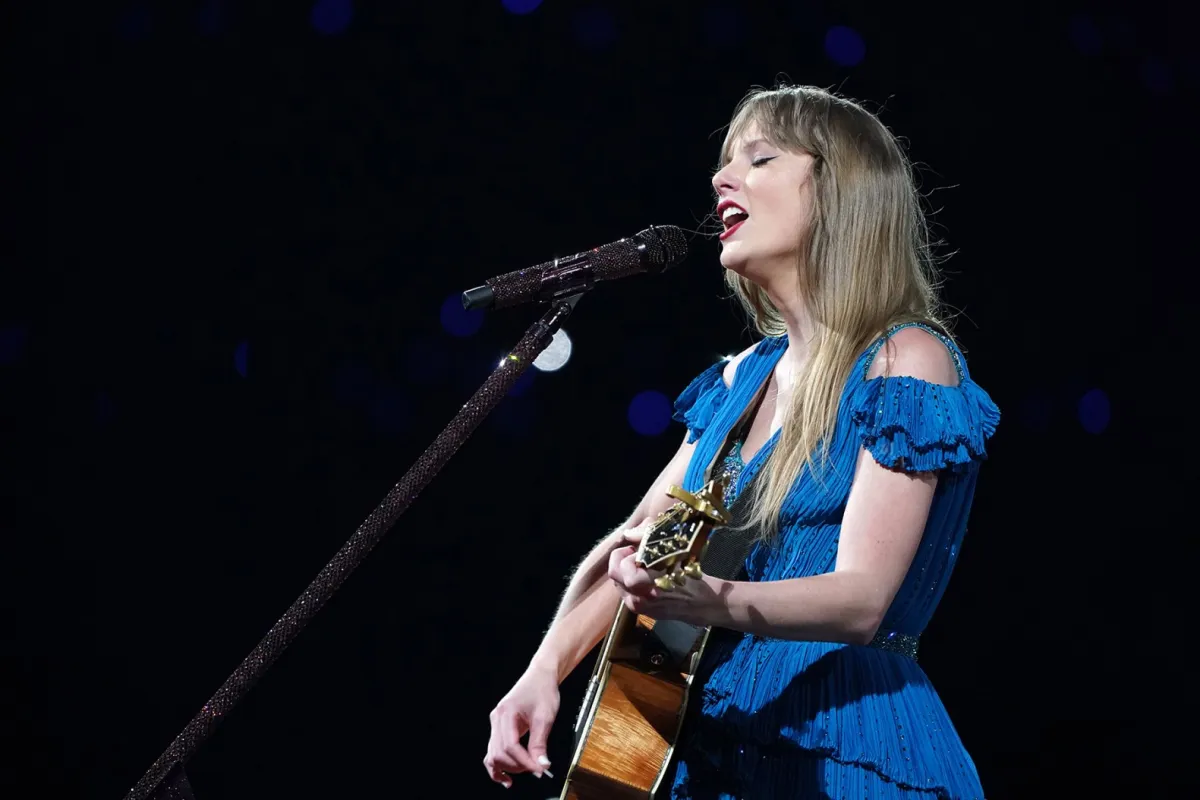 Photo: Taylor Swift, via www.rollingstone.com
These moments are carefully negotiated months in advance. Publicists pitch their clients' availability, producers weigh the social media impact, and agents calculate the career boost potential. The goal is to remind everyone that you're still important enough to warrant screen time during television's biggest nights.
But here's where it gets interesting: the type of cameo reveals everything about your current leverage. Presenting a major award means you're still A-list royalty. Introducing a musical act suggests solid B-list status. Getting stuck announcing the technical awards during commercial breaks? That's industry code for "we're being polite, but your time has passed."
The Cameo App Hierarchy
Platforms like Cameo have created the most transparent celebrity status indicator ever invented. The pricing structure tells you everything you need to know about where stars see themselves in the current ecosystem.
Charging $1,000+ for a video message? You're either delusional about your current relevance or correctly pricing your scarcity value. The $200-500 range suggests you understand your place in the middle tier and are comfortable monetizing nostalgia. Under $100 often indicates either desperation or genuine fan appreciation — and the difference is usually obvious from the quality of the content.
Some celebrities have turned Cameo into an art form, treating each video like a mini-performance that reminds viewers of their talent. Others clearly resent the platform while needing the income, resulting in awkward 30-second clips that feel more like hostage videos than fan service.
Movie Cameos: The Friendship Tax
Hollywood cameos in major films operate on a complex social economy where favors, friendships, and future opportunities intersect. When a major star appears uncredited in a friend's indie film, it's not just professional courtesy — it's relationship maintenance disguised as artistic support.
These appearances can be career lifelines for struggling actors or victory laps for established stars. A well-placed cameo in the right film can remind audiences of a forgotten talent or introduce a new generation to a classic performer. But timing is everything — show up in too many small films, and you start looking desperate rather than generous.
The Late-Night Circuit Strategy
Talk show appearances have evolved into their own cameo subcategory, where the goal isn't selling a specific project but maintaining general awareness. The strategic late-night drop-in has become essential for celebrities between major projects.
But even here, the hierarchy is ruthlessly clear. "Tonight Show" guests are current A-listers with something to promote. "Late Night" appearances suggest solid career momentum. Showing up on smaller cable shows indicates you're working harder to maintain visibility. And if you're doing local morning shows in secondary markets, it might be time to call your agent.
The Social Media Cameo Evolution
TikTok and Instagram have democratized the cameo concept, allowing celebrities to insert themselves into trends and conversations without formal bookings or negotiations. But these "spontaneous" appearances are often the most calculated of all.
When a major celebrity suddenly appears in a viral TikTok trend, it's rarely because they stumbled across it organically. Social media managers monitor trending content, identify opportunities for their clients to seem relevant and relatable, and coordinate appearances that feel natural while serving strategic goals.
The most successful social media cameos make celebrities seem accessible and current without diminishing their star power. The failures are painfully obvious — desperate attempts to seem cool that instead highlight how disconnected they are from actual culture.
The Podcast Cameo Circuit
The podcast boom has created new cameo opportunities that didn't exist five years ago. Surprise appearances on popular shows can reach targeted audiences without the formality of traditional media bookings.
But podcast cameos come with their own status implications. Dropping into Joe Rogan or Marc Maron's show suggests you're comfortable with long-form, unscripted conversation — a confidence that comes with either genuine authenticity or professional desperation. Smaller podcast appearances often indicate you're willing to work harder for smaller audiences, which can signal either admirable work ethic or declining options.
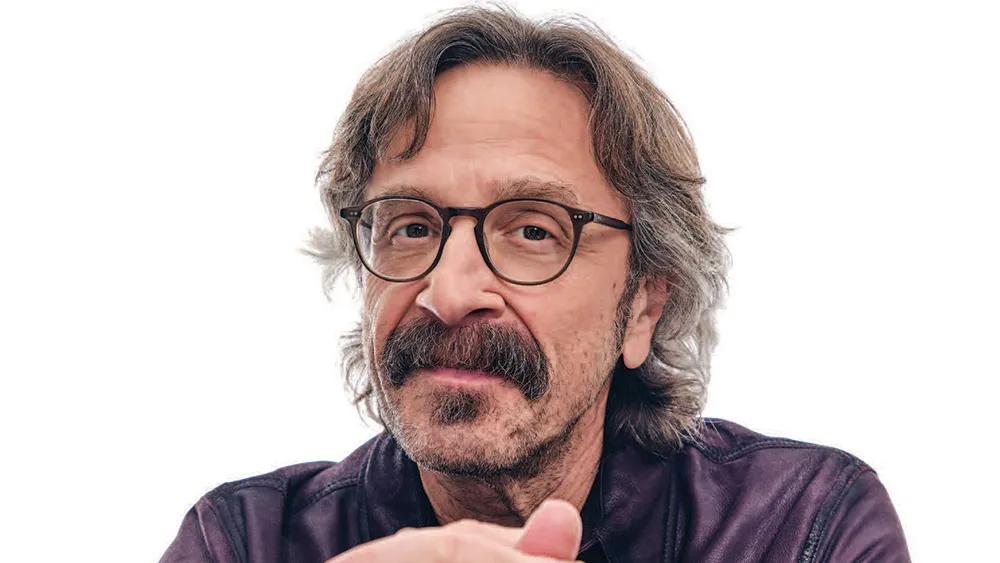 Photo: Marc Maron, via variety.com
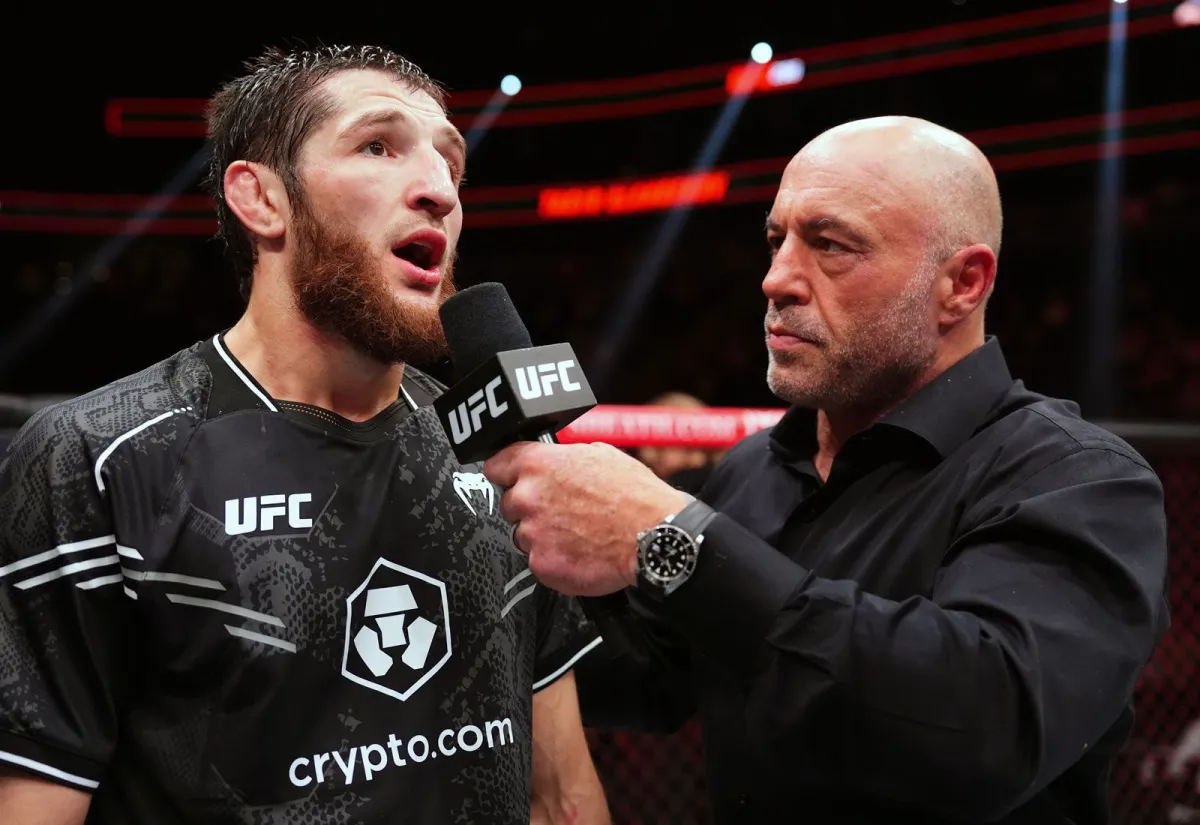 Photo: Joe Rogan, via cdn.britannica.com
The Streaming Service Strategy
Streaming platforms have created new cameo ecosystems where established actors appear briefly in buzzy series to remind audiences they still exist. These appearances are carefully negotiated to provide maximum impact with minimal time commitment.
A veteran actor showing up for one episode of a hit Netflix series serves multiple purposes: it gives the show prestige, provides the actor with contemporary relevance, and creates social media moments that benefit everyone involved. But the key is making it feel organic rather than desperate.
The Reality TV Cameo Danger Zone
Reality show appearances represent the most dangerous territory in the cameo economy. While they can provide massive exposure, they also risk diminishing a celebrity's perceived status. The line between "fun guest appearance" and "attention-seeking desperation" is razor-thin.
Successful reality cameos feel like the celebrity is doing the show a favor by appearing. Failed ones make it obvious that the celebrity needs the show more than the show needs them. The difference is usually in the negotiation details — who approached whom, how much creative control the celebrity maintains, and whether they're being paid or paying for the opportunity.
The Future of Strategic Visibility
As traditional media continues fragmenting and new platforms emerge, the cameo economy will only become more complex and revealing. Celebrities will need to navigate an increasingly sophisticated landscape of brief appearances, each carrying specific status implications and career consequences.
The most successful stars will be those who understand that in the attention economy, how you appear is just as important as where you appear. Every three-second moment is an opportunity to reinforce your brand, maintain your relevance, or accidentally reveal your desperation.
In a world where everyone is famous for fifteen minutes, the real skill is making those minutes count — even when they're really just three seconds.