The Celebrity 'I Wrote a Memoir' Industrial Complex: When Trauma Becomes a Book Tour Strategy

The Trauma-to-Bestseller Pipeline
Every few weeks, another celebrity announces they're "finally ready to tell their story" — usually coinciding with a career lull, public scandal, or mysterious absence from the spotlight. What we're witnessing isn't just a literary trend; it's the industrialization of personal pain, where trauma gets transformed into talking points and healing becomes a hashtag campaign.
The numbers don't lie: celebrity memoirs dominated bestseller lists throughout 2023 and 2024, with stars like Britney Spears, Jennette McCurdy, and Matthew Perry turning their darkest moments into literary gold. But scratch beneath the surface of these "raw, unfiltered" accounts, and you'll find something far more calculated than spontaneous truth-telling.
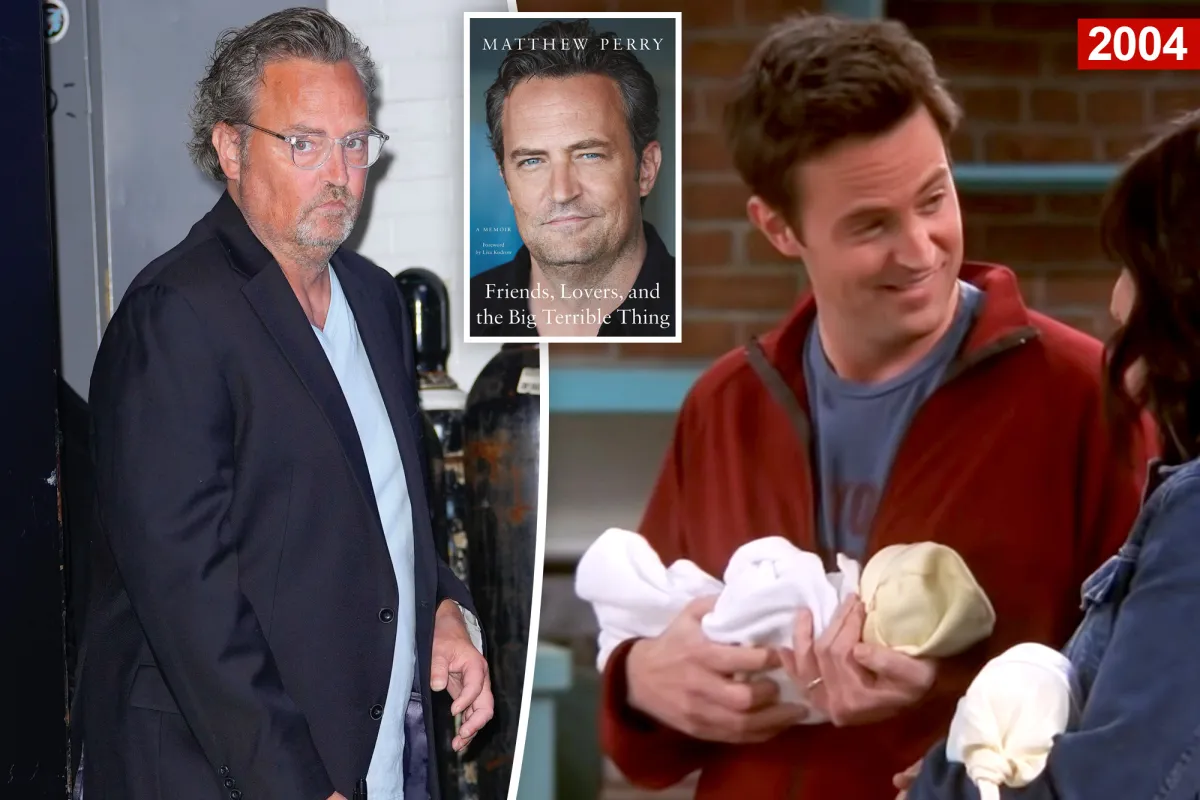 Photo: Matthew Perry, via nypost.com
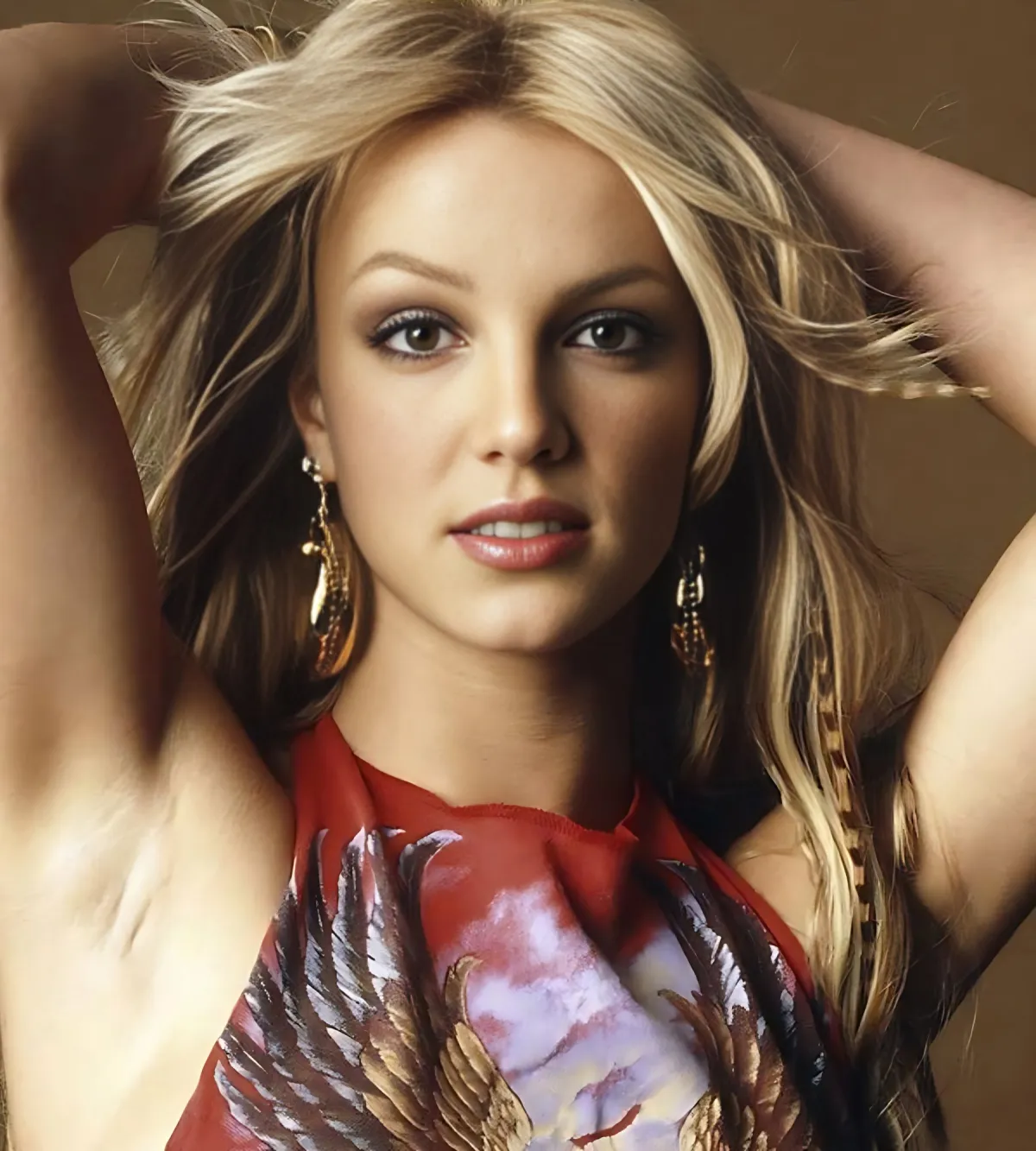 Photo: Britney Spears, via celebritate.com
The Perfect Storm of Timing
It's almost suspicious how these memoirs drop at exactly the right moment. Britney Spears' "The Woman in Me" arrived just as she was navigating post-conservatorship life and rebuilding her public image. Jennette McCurdy's "I'm Glad My Mom Died" launched during peak conversations about child star trauma and toxic Hollywood parenting. Matthew Perry's "Friends, Lovers, and the Big Terrible Thing" hit shelves as streaming residuals were generating renewed interest in the "Friends" cast.
Coincidence? Publishing insiders suggest otherwise. "These books aren't written in isolation," says one literary agent who requested anonymity. "There's an entire ecosystem of ghostwriters, editors, publicists, and crisis managers who help shape these narratives. The 'raw honesty' readers think they're getting has been focus-grouped to death."
The Lawyer-Approved Truth
Dive into any celebrity memoir and you'll notice a pattern: explosive revelations that somehow manage to avoid naming names, specific dates, or anything that might trigger a lawsuit. These aren't accidental omissions — they're strategic redactions that preserve the illusion of transparency while protecting everyone involved from legal consequences.
Take Spears' memoir, which promised to expose the truth about her conservatorship but carefully avoided directly accusing specific family members of wrongdoing. Or consider how many celebrity authors describe "toxic relationships" and "industry predators" without providing enough detail for readers to actually identify the perpetrators. It's trauma tourism with training wheels.
The Ghostwriter's Dilemma
Behind every "authentic" celebrity memoir is often a professional ghostwriter tasked with translating star rambles into coherent narrative. These literary translators face an impossible challenge: make the story feel genuine while ensuring it serves the celebrity's current brand strategy.
"You're essentially writing fan fiction about someone's real life," explains one ghostwriter who's worked with multiple A-listers. "The celebrity wants to seem vulnerable and relatable, but they also need to emerge from the story as the hero of their own journey. Every traumatic experience has to somehow lead to growth, wisdom, or career advancement."
The Oprah Effect
The modern celebrity memoir industrial complex owes much to Oprah Winfrey's influence on confessional culture. Her book club selections and interview style established the template: personal revelation as spiritual journey, trauma as transformation catalyst, and pain as pathway to empowerment.
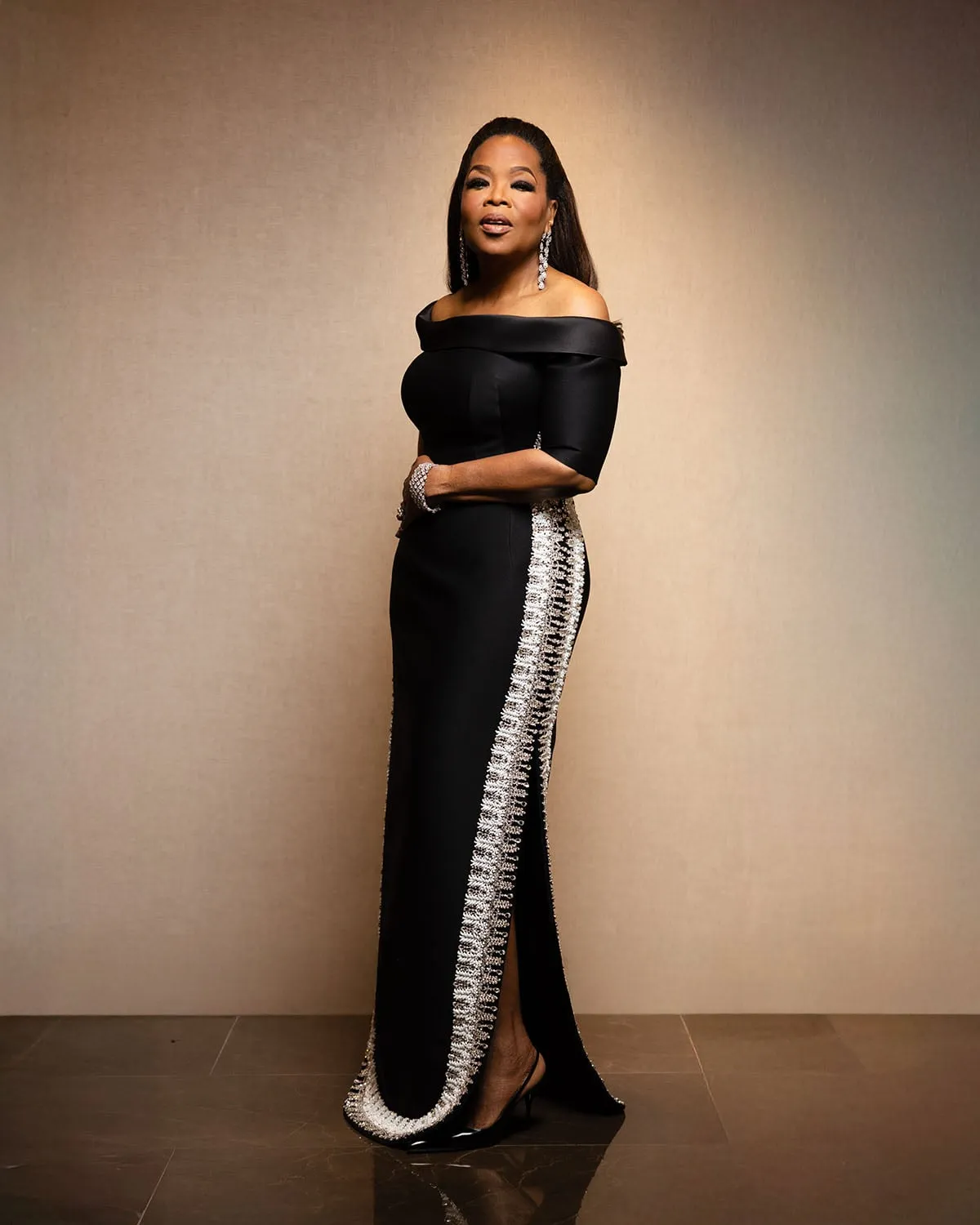 Photo: Oprah Winfrey, via www.redcarpet-fashionawards.com
But what worked for Oprah's authentic exploration of difficult topics has been commodified into a formula. Publishers now actively seek out celebrities with "compelling personal stories" — industry code for "marketable trauma." The more dramatic the backstory, the bigger the advance and marketing budget.
When Pain Becomes Product
The most troubling aspect of this trend isn't that celebrities are sharing their stories — it's how those stories are packaged and sold. Personal trauma gets reduced to bullet points on book jackets: "Addiction! Abuse! Family Drama!" The complexity of human experience becomes marketing copy designed to maximize emotional impact and sales potential.
Social media amplifies this commodification. Publishers coordinate Instagram campaigns featuring "vulnerable" quotes and behind-the-scenes photos from therapy sessions or writing retreats. The promotion of healing becomes indistinguishable from the healing itself.
The Reader's Responsibility
Perhaps the most uncomfortable truth about the celebrity memoir boom is that it exists because we keep buying these books. Readers claim they want authenticity, but the bestseller lists suggest we're actually hungry for drama disguised as depth.
We've created a market where celebrities feel pressured to monetize their worst moments to maintain relevance. Every family secret, addiction struggle, or mental health crisis becomes potential content for the next book deal.
The Cost of Confession
While publishers and publicists profit from celebrity pain, the long-term costs for the stars themselves remain unclear. Some genuinely seem to find healing through the writing process, but others appear trapped in cycles of public confession and re-traumatization.
The pressure to continuously reveal new depths of vulnerability creates an unsustainable dynamic. What happens when a celebrity runs out of trauma to monetize? Do they create new drama to feed the content machine?
Beyond the Book Deal
The memoir is just the beginning. Today's celebrity confessional comes with multimedia extensions: podcast appearances, documentary tie-ins, and speaking tours that can stretch a single story across multiple revenue streams. The trauma that once ended careers now launches them.
This transformation of personal pain into professional opportunity represents a fundamental shift in how we consume celebrity culture. We're no longer just watching stars perform fictional roles — we're paying to witness their actual suffering, packaged as entertainment and sold as inspiration.
In an industry built on illusion, the celebrity memoir has become the ultimate paradox: the most manufactured form of authenticity money can buy.