The Ghost Writers in the Machine: How Your Favorite Stars Are Taking Credit for Songs They Didn't Actually Write
The Ghost Writers in the Machine: How Your Favorite Stars Are Taking Credit for Songs They Didn't Actually Write
When your favorite pop star tearfully accepts a Grammy for "writing" that emotional ballad about their public breakup, there's probably a team of Nashville professionals watching from their living rooms, wondering if they'll get a thank-you text. Welcome to the music industry's worst-kept secret: the celebrity co-writing credit scandal that's turning songwriting into the ultimate participation trophy.
The Numbers Don't Lie
Pick any chart-topping hit from the last five years, and you'll find anywhere from four to twelve writers listed in the credits. But here's the thing — not all "writers" are created equal. While some celebrities genuinely collaborate on their music, others are essentially buying their way onto songwriting credits with as little contribution as suggesting a single word change or humming a melody they heard in their dreams.
The practice has become so normalized that professional songwriters now budget for it. "You go into a session knowing that if the artist shows up and says 'make that line more blue,' they're getting a writing credit," one Nashville songwriter told Music Business Worldwide. "It's just the cost of doing business with A-listers."
When Authenticity Becomes a Marketing Strategy
The stakes are higher than just bragging rights. Songwriting credits come with publishing royalties that can generate millions over a song's lifetime. More importantly, they feed into the authenticity narrative that modern pop culture demands. Fans want to believe their favorite artist poured their heart onto the page, not that they showed up to a pre-written song and added their name to the paperwork.
Take the recent controversy around several major pop releases where fans discovered their "personal" favorite tracks were written months before the artist's publicized life events that supposedly inspired them. The timeline doesn't add up, but the emotional connection feels real — and that's worth more than accuracy in today's streaming economy.
The Professional Songwriters Fighting Back
Behind the scenes, career songwriters are getting fed up. These are the people who actually craft the melodies, write the lyrics, and structure the songs that become cultural moments. They're the ones who understand music theory, who can write a bridge that hits different, who know exactly which chord progression will make you cry in your car.
Some are starting to speak out. "I've written songs that became somebody else's 'personal anthem,'" one Grammy-winning songwriter shared on social media. "Songs about experiences I lived through, emotions I processed, stories I told — and the artist gets interviewed about how therapeutic it was to 'write' it."
The Songwriters Hall of Fame has quietly started initiatives to spotlight the actual writers behind hit songs, but it's an uphill battle against a machine that profits from the myth of the tortured artist-genius.
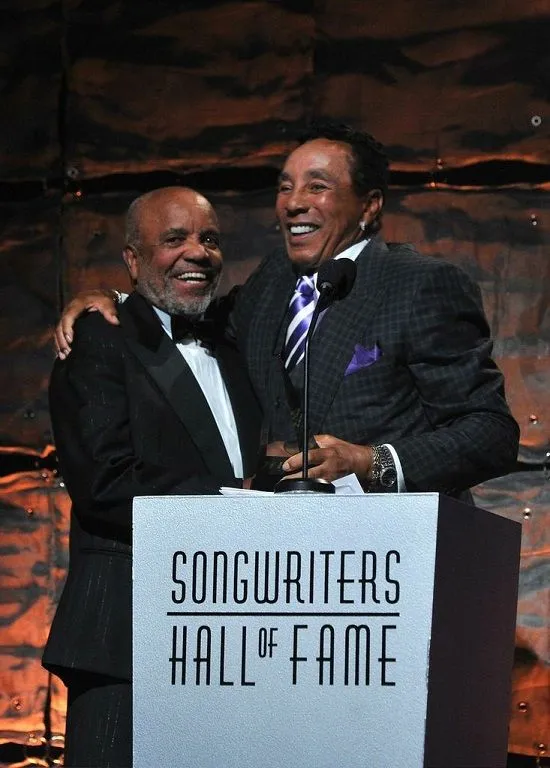 Photo: Songwriters Hall of Fame, via i.pinimg.com
The Legal Gray Zone
Here's where it gets murky: there's no legal threshold for what constitutes "songwriting." Changing one word can technically earn you a credit. Suggesting a different vocal melody over an existing chord progression? That counts too. The music industry's collaborative nature makes it nearly impossible to draw clear lines.
"The system is designed to be vague," explains entertainment lawyer Sarah Chen. "Publishing deals and credit splits are negotiated before anyone even enters the studio. By the time the song exists, the credits are already decided."
 Photo: Sarah Chen, via alchetron.com
This creates a situation where celebrity involvement becomes self-fulfilling. If you're already getting the credit, why not show up and make it technically legitimate?
The Fan Reaction Problem
Fans are starting to catch on, and they're not happy about it. Social media detectives regularly expose the disconnect between celebrity songwriting claims and reality. When multiple artists claim to have written deeply personal songs about the same universal experiences, the math stops adding up.
But here's the twist: even when fans discover their favorite artist didn't actually write their favorite song, it rarely affects the song's popularity. The emotional connection has already been made. The authenticity was in the performance, not the paperwork.
What This Means for Music
The celebrity co-writing credit system isn't just about individual artists gaming the system — it's reshaping how music gets made. Professional songwriters now tailor their work to be "celebrity-friendly," writing hooks that can be easily personalized and stories generic enough to fit any public narrative.
This creates a feedback loop where songs become increasingly formulaic, designed more for credit-sharing than artistic expression. The result? A music landscape where genuine collaboration gets harder to distinguish from elaborate role-playing.
The Future of Musical Truth
As streaming platforms start experimenting with more detailed credit information and fans become more sophisticated about music creation, the industry might be forced toward transparency. Some artists are already getting ahead of the curve, clearly distinguishing between writing credits and performance credits in their album notes.
But until the financial incentives change, expect to keep seeing your favorite celebrities "writing" suspiciously perfect songs about their very public lives — while the actual writers remain the music industry's most valuable invisible workforce.
Because in an industry built on dreams and authenticity, sometimes the biggest fiction is who actually wrote the soundtrack to your life.