Charity, Cameras, and Clout: The Uncomfortable Truth About Celebrity Philanthropy
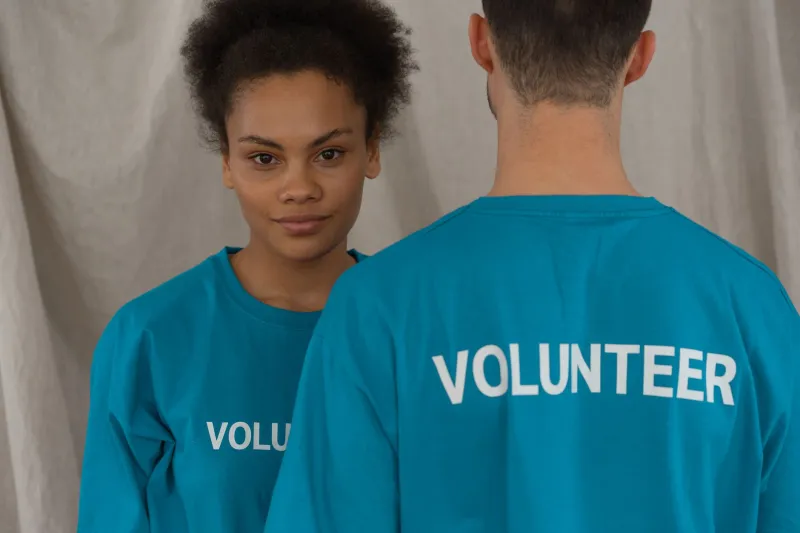
Let's start with a genuinely uncomfortable question: when a celebrity donates a million dollars to a disaster relief fund and issues a press release about it within the hour, does the good deed cancel out the self-promotion, or does the self-promotion cancel out the good deed? It's the kind of question that doesn't have a clean answer — which is probably why the conversation around celebrity philanthropy has become one of the most reliably heated corners of entertainment discourse.
The phenomenon isn't new. Celebrities have been attaching their names to causes since the concept of celebrity itself existed. But something has shifted in the social media era. The documentation of generosity has become so immediate, so polished, and so algorithmically optimized that it's increasingly difficult to tell where the cause ends and the content strategy begins.
The Anatomy of a Performative Donation
There are tells. Not always — sometimes they're absent, and the gesture is exactly what it appears to be. But when they stack up, they're hard to ignore.
The press release that arrives before the charity has even confirmed the gift. The Instagram post with a carefully framed photo that somehow captures the exact moment of a check handover. The GoFundMe shoutout that drops the same week a new single is released, generating goodwill press that conveniently softens a news cycle that had been running hot. The volunteering appearance where the celebrity is accompanied by what appears to be a full production crew — and where the images are clearly shot by someone other than a phone-wielding bystander.
None of these things are automatically evidence of bad faith. Charities need visibility, and celebrity attention genuinely moves the needle on donations. A single Instagram post from a major star can send a nonprofit's fundraising numbers into the stratosphere. The American Red Cross, Feeding America, and dozens of other organizations have publicly credited celebrity partnerships with driving significant donor acquisition. The awareness-to-action pipeline is real, and dismissing it entirely would be both cynical and factually wrong.
 Photo: American Red Cross, via c8.alamy.com
But the question of who primarily benefits from a given philanthropic gesture is worth asking — and the honest answer isn't always the charity.
When the Photo Op Is the Point
In 2023, a wave of criticism hit several high-profile celebrities who had shown up to volunteer in disaster-affected areas — not because their presence was unwelcome, but because the documentation of that presence felt disproportionate to the actual contribution. Volunteers at established relief organizations typically follow protocols designed to prioritize the dignity of the people being helped. A celebrity arriving with a full entourage, a personal photographer, and a social media team does not exactly blend into that framework.
The backlash to these moments — which tend to go viral in a very specific, secondhand-embarrassment way — reveals something important about where public tolerance currently sits. Audiences will accept, even celebrate, celebrity philanthropy. What they're increasingly unwilling to accept is philanthropy that seems to require an audience to function.
The Kardashian-Jenner family has weathered multiple rounds of this particular criticism, most notably when various family members have publicized charitable gestures in ways that generated more conversation about the family than about the cause. Conversely, Dolly Parton's Imagination Library — which has donated over 200 million books to children worldwide — operates largely without the constant personal branding that characterizes so much celebrity giving. Parton talks about it, certainly, but the program's scale and longevity speak for themselves in a way that doesn't require a content calendar.
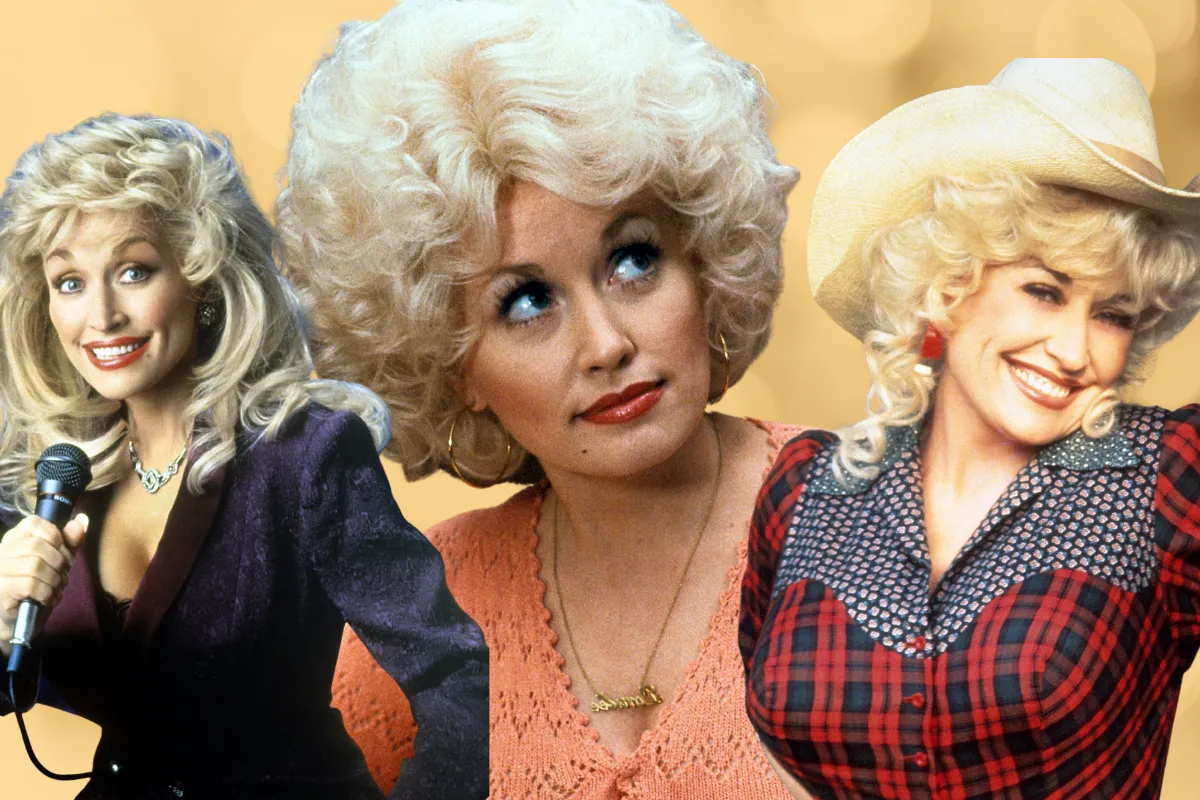 Photo: Dolly Parton, via www.wideopencountry.com
The Tax Receipt Elephant in the Room
It would be incomplete to discuss celebrity philanthropy without acknowledging the financial architecture that surrounds it. Charitable donations are tax-deductible. Celebrity-founded foundations can employ family members and fund activities that serve the brand as much as the cause. ProPublica and other investigative outlets have documented instances where celebrity-affiliated foundations spent more on administrative costs — including events, travel, and salaries — than on the actual charitable work they were ostensibly created to support.
This doesn't mean celebrity foundations are inherently corrupt. Many are genuinely effective. The Bill & Melinda Gates Foundation, while not strictly a "celebrity" vehicle, demonstrated the scale of impact that serious philanthropic infrastructure can achieve. Lebron James's I PROMISE School in Akron, Ohio, has produced measurable educational outcomes for students in a high-need community and has been independently evaluated as a functioning success. These are real things that required real commitment beyond a press release.
 Photo: Akron, Ohio, via c8.alamy.com
But the gap between the most serious celebrity philanthropic work and the most performative is enormous — and the public presentation of both can look remarkably similar from the outside.
What Genuine Impact Actually Looks Like
The clearest marker of authentic celebrity philanthropy, according to nonprofit sector analysts, is consistency over time. A one-time donation tied to a major news event is a gesture. A decade of sustained engagement with a cause, including financial support, platform lending, and personal involvement that continues when the cameras aren't rolling — that's a commitment.
Taylor Swift's long-running donations to food banks in cities where she tours, often made quietly and confirmed only when local organizations mention them, contrast sharply with the more performative end of the spectrum. Keanu Reeves's reportedly significant but largely undisclosed charitable giving — he has consistently declined to make his donations a public talking point — has earned him a reputation for genuine generosity precisely because it resists the content machine. These are the examples that hold up to scrutiny not because they're perfect, but because the cause appears to be the point rather than the vehicle.
The Audience Has a Choice Too
Ultimately, the performative philanthropy ecosystem exists because it works — at least in the short term. It generates positive press, softens public image, and satisfies a cultural expectation that the very famous should be doing something with their resources. Audiences who reward the gesture with engagement, regardless of its depth, are part of the feedback loop.
The more interesting shift is the growing cohort of celebrity watchers who have started applying a simple filter: does this famous person talk about their charitable work more than the charity itself does? If the answer is yes, it might be worth asking who the real beneficiary is.
Generosity that needs a photographer to exist is still generosity — it just comes with a co-signer who gets paid in clout.