Two Stars, One Announcement, Zero Deliverables: The Celebrity Collaboration Hype Cycle Explained

Picture the scene. Two enormous celebrities — let's say a Grammy-winning musician and an Oscar-nominated actor, because that's the current formula — post the same cryptic photo to Instagram on the same day. Maybe it's a picture of them in a studio. Maybe it's a single frame of a contract on a table. Maybe it's just the two of them grinning at the camera with a caption that says nothing except a single flame emoji and a date.
Within six hours, the post has twelve million likes. Entertainment journalists are filing breaking news alerts. Fan accounts are already designing mock-up album covers. Twitter — sorry, X — is in full speculation mode, cycling through every possible interpretation of what the collaboration could mean, what it could sound like, who it could upset, and whether it will change the culture forever.
Three months later, the project is nowhere. Six months later, someone in a comment section asks whatever happened to it. The celebrities have moved on. The hype has evaporated. The flame emoji post is still up, quietly accumulating dust in the algorithm.
This is the celebrity collaboration hype cycle. And it is one of the most efficient attention-generation machines in modern entertainment — regardless of whether anything is ever actually made.
The Anatomy of the Announcement
To understand why so many high-profile celebrity collaborations fail to materialize — or materialize so far below expectation that they might as well not have — you have to understand what the announcement itself is designed to do.
A collab announcement between two major stars is, first and foremost, a cultural moment. It is engineered to produce a specific emotional response: excitement, curiosity, the particular pleasure of imagining two worlds colliding. When Beyoncé and Jay-Z released Everything Is Love in 2018 as a surprise joint album, the reaction was seismic — but notice that the announcement and the release happened simultaneously. There was no announcement-without-product phase. The hype and the delivery arrived together.
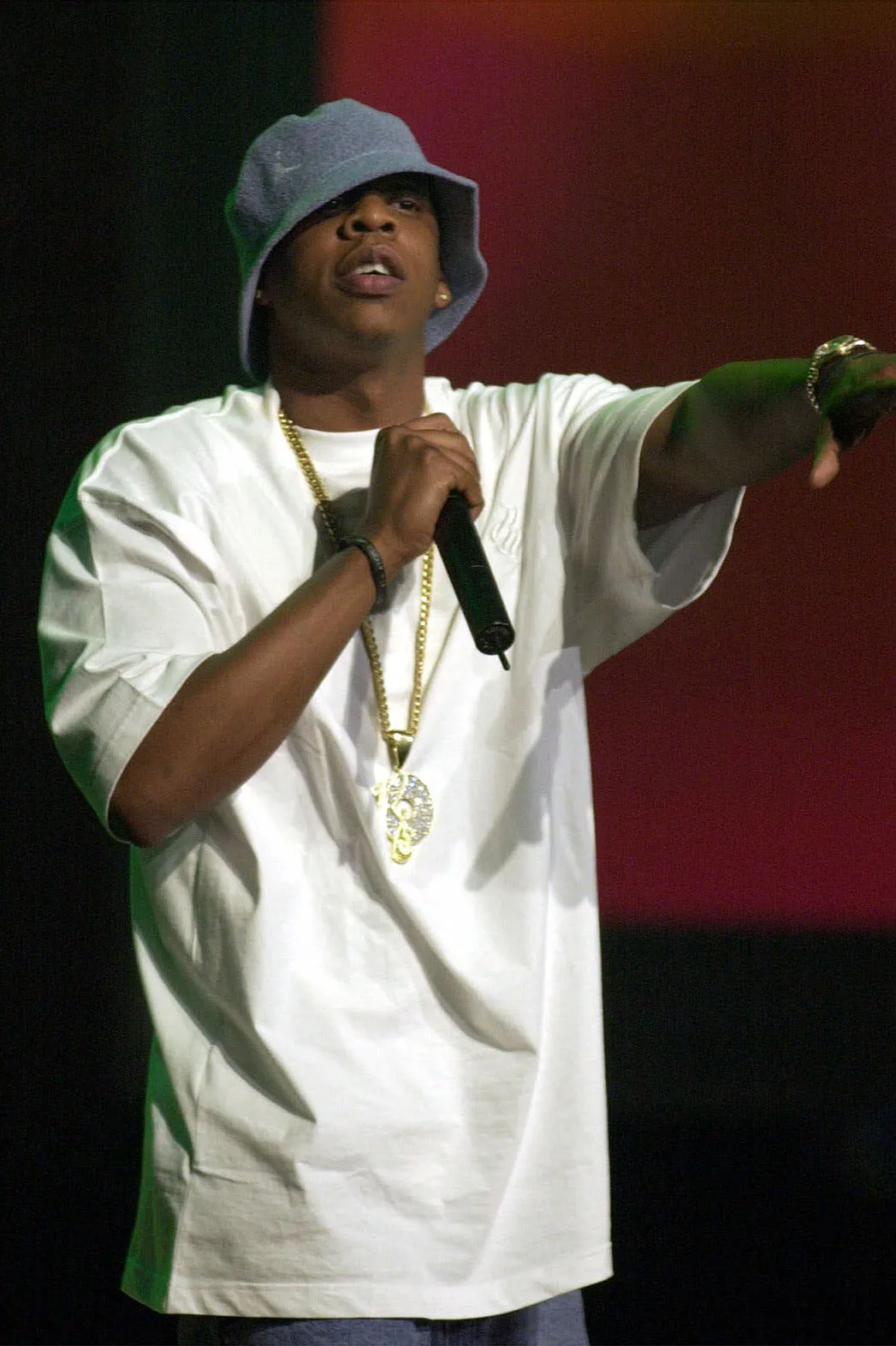 Photo: Jay-Z, via www.hollywoodreporter.com
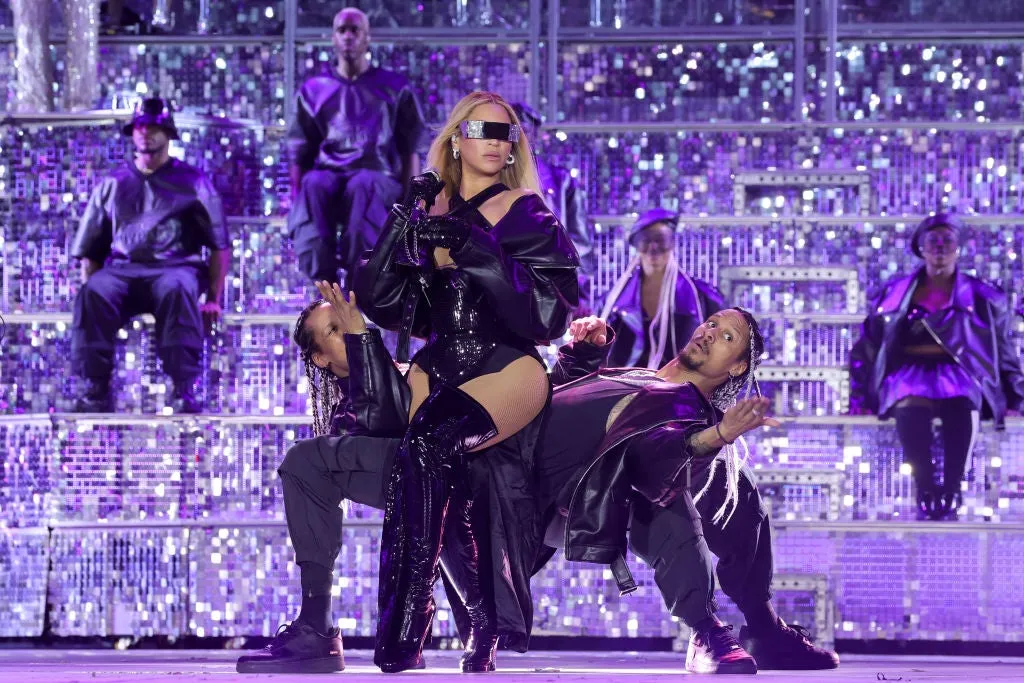 Photo: Beyoncé, via img.buzzfeed.com
That's the exception. Most celebrity collaborations follow a different structure: announcement first, product (maybe) later. And in the gap between those two moments, something interesting happens. The announcement does its job — it generates press coverage, social media engagement, streaming platform interest, and brand partnership inquiries — completely independently of whether the actual project ever lands.
The hype, in other words, has a value that is entirely separate from the finished product. And a lot of people in the entertainment industry have noticed.
The Fashion World Perfected This First
If you want to understand the celebrity collab hype cycle in its purest form, look at fashion before you look at music or film.
The luxury and streetwear industries have been running this playbook for over a decade. A brand announces a collaboration with a celebrity designer or cultural figure — Virgil Abloh with Louis Vuitton, Travis Scott with Nike, Rihanna with Puma, then LVMH — and the announcement itself generates enormous commercial value before a single item ships. Pre-orders sell out. Resale market prices spike on items that don't exist yet. The brand's social following grows. The celebrity's cultural cachet increases.
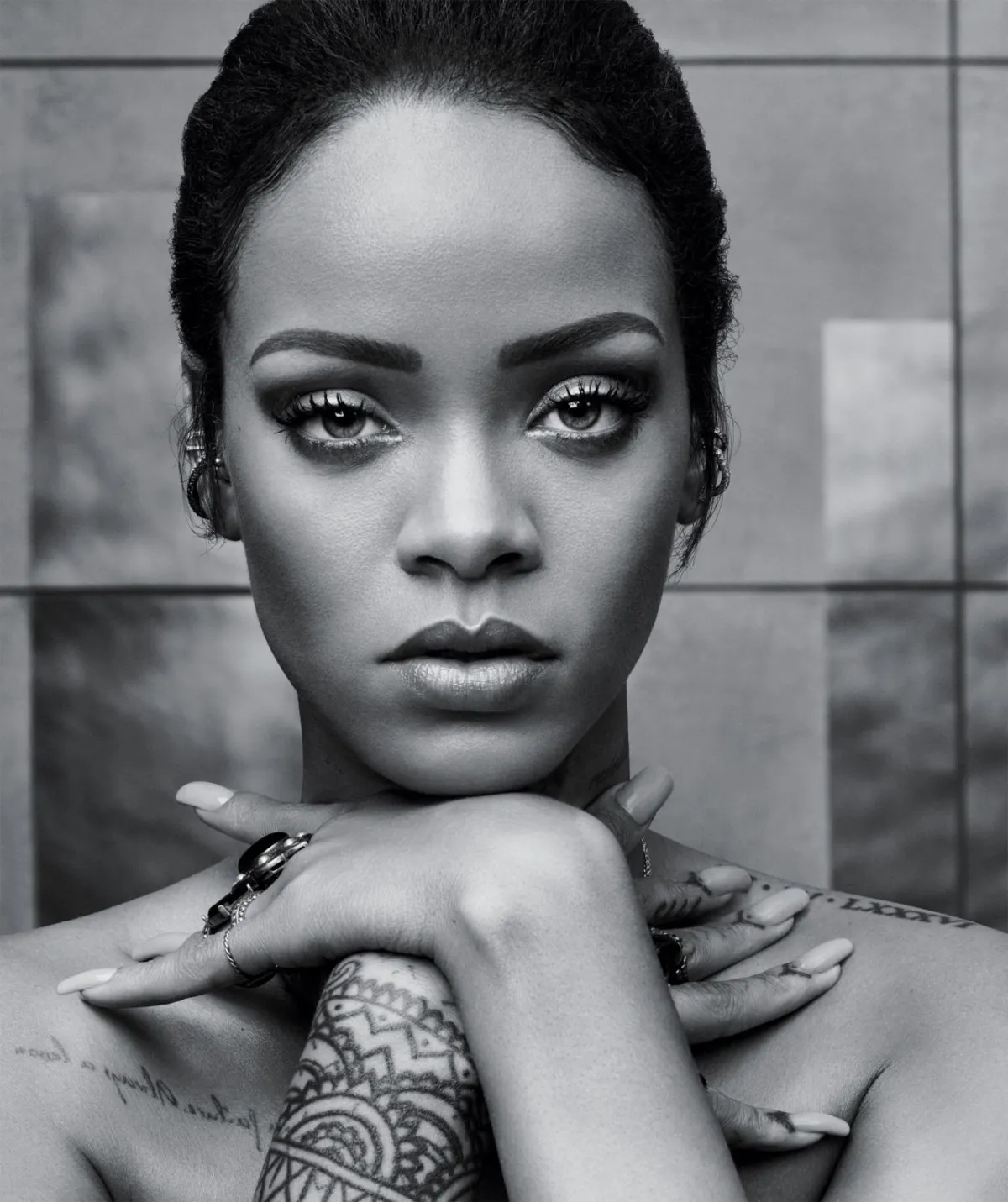 Photo: Rihanna, via celebmafia.com
Sometimes the actual collection is extraordinary. Sometimes it's fine. Sometimes it's a little disappointing. But by the time anyone can evaluate the product on its merits, the financial and reputational gains from the announcement have already been banked.
Music and film have been absorbing this lesson slowly. The result is an entertainment landscape where the announcement of a collaboration carries almost as much weight as the collaboration itself — and where some projects seem to be designed, consciously or not, to be announced more than completed.
Recent High-Profile Cases
Without naming projects that are still in active development — because the entertainment industry has lawyers and RippleFame has a future — it's worth noting some patterns that have emerged in recent years.
In music, the joint album announcement has become a reliable hype mechanism even when the albums arrive years late, significantly scaled back, or in a form that bears little resemblance to what was originally teased. Several high-profile rapper collaborations announced with enormous fanfare in the early 2020s are still technically 'in progress,' their status updated intermittently in interviews that generate their own news cycles.
In film, the celebrity co-production credit has become something of a running joke in industry circles. Two famous people attach their names as producers to a project, the announcement generates coverage, and then the actual creative heavy lifting is done by a team of professionals whose names appear in much smaller font. This isn't always cynical — sometimes celebrity producers are genuinely involved — but the announcement tends to emphasize the names above the line in ways that don't always reflect the reality of who's doing the work.
In fashion, the celebrity-designed collection has been scrutinized more closely in recent years following several high-profile cases where the 'designer' celebrity's actual creative contribution turned out to be minimal. The industry term 'creative director' covers a remarkably wide range of actual involvement, from genuine artistic vision to 'showed up for the photoshoot.'
Who Actually Benefits
The honest answer is: almost always both parties, regardless of outcome.
When two major celebrities announce a collaboration, both of their names trend. Both of their social media followings grow. Both of their streaming numbers see a bump as new listeners discover old catalogs. Both of their publicists have a news hook for the next several months. Both of their teams have something to point to when negotiating future deals.
If the project delivers, great — everyone wins, including the audience. If it doesn't, the celebrities have still extracted most of the value from the announcement phase, and the failure is usually attributed to vague creative differences or scheduling conflicts rather than anything that sticks to either party's reputation in a meaningful way.
The audience, meanwhile, gets the excitement of the announcement and then — often — nothing. Or something so delayed and diluted that the original excitement is hard to reconstruct.
When Collabs Actually Work
It would be unfair — and inaccurate — to suggest that celebrity collaborations are uniformly cynical exercises in hype generation.
Some of the most culturally significant creative works of the last two decades have been collaborations. Watch the Throne, the 2011 joint album from Jay-Z and Kanye West, is a genuine landmark. The Beyoncé and Kendrick Lamar version of 'America Has a Problem' from the Renaissance remix cycle generated real cultural conversation. In fashion, some celebrity-brand partnerships have produced genuinely innovative work that moved the needle aesthetically, not just commercially.
The difference, when you look at the collabs that actually deliver, tends to be specificity and genuine creative alignment. The projects that work are usually ones where both parties bring something the other genuinely needs — a perspective, a skill set, an audience — rather than ones where the primary shared quality is fame.
Fame plus fame does not automatically equal product. Sometimes it just equals a very exciting Instagram post.
What to Watch For
The celebrity collaboration hype cycle isn't going anywhere. If anything, it's accelerating — the announcement-as-content model is too valuable for too many parties to abandon.
But audiences are getting more skeptical. The question 'okay but when is it actually coming out' has become a standard response to collab announcements, and that skepticism is healthy. It's a sign that people have started to distinguish between the feeling of excitement a collaboration generates and the actual product that excitement was supposed to be about.
The best celebrity collaborations will always be the ones where the hype turns out to be underselling what's coming. The worst will be the ones where the hype was the whole thing — and nobody involved is particularly bothered about that.
If the announcement has better production values than the actual project, you've been sold a trailer for a movie that was never quite finished — and the studio already made its money.