Famous, Funded, and Completely Unlistenable: The Celebrity Podcast Graveyard Is Getting Crowded
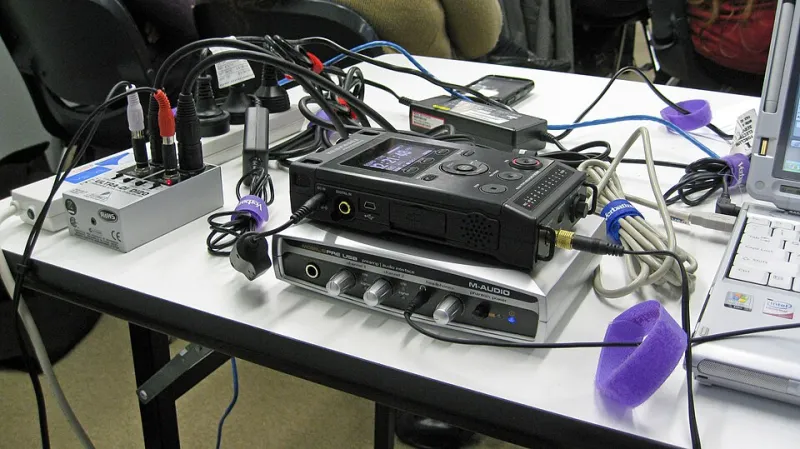
Photo: Stephan Ridgway from Sydney, Australia, CC BY 2.0, via Wikimedia Commons
Somewhere in the depths of your preferred podcast app, there are episodes that will never be finished. Trailers that were never followed up. Season ones that somehow never generated a season two despite the host being one of the most recognizable humans on the planet. Welcome to the celebrity podcast graveyard — a growing, largely unacknowledged monument to the industry's most optimistic and most consistently incorrect assumption: that fame is a substitute for audio charisma.
It is not. It has never been. And yet the launches keep coming.
The Gold Rush That Never Really Panned Out
The celebrity podcast boom had a very specific origin story. Spotify started writing very large checks. Apple Podcasts was minting new millionaires. Joe Rogan signed a deal worth a reported $200 million and suddenly every talent agency in Hollywood was on the phone asking their clients if they had 'anything to say.' The answer, almost universally, was yes. The follow-up question — do you have anything to say that people will still want to hear twelve episodes in? — was asked far less frequently.
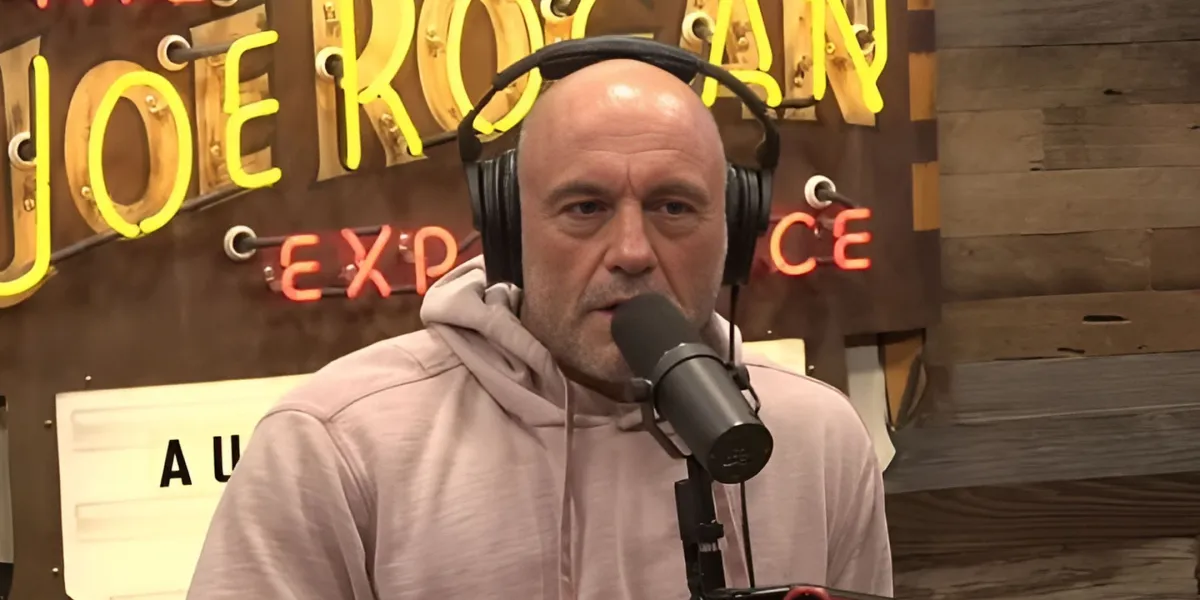 Photo: Joe Rogan, via static0.thethingsimages.com
The first-week numbers for celebrity podcast launches are almost always impressive, and almost always misleading. Name recognition is a powerful thing. When a major star announces a podcast, their existing fanbase will download the first episode out of sheer curiosity. Chart positions spike. Press releases are issued. The hosting platform points to the opening weekend numbers like they're box office results. And then, gradually, the audience does what audiences do when the content doesn't hold them: they leave.
Retention — the metric that actually tells you whether a podcast has an audience or just a fanbase that clicked once — is where celebrity shows have consistently struggled. And the gap between launch-day downloads and six-month listener counts in this space is, in some documented cases, genuinely staggering.
The Anatomy of a Celebrity Podcast Flop
There's a recognizable pattern to how these things go wrong, and it's worth walking through it because it happens with such regularity that it's basically a genre at this point.
Stage one: the announcement. The celebrity — let's say they're an actor, musician, or reality TV alum with a following in the tens of millions — announces their podcast with a heavily produced trailer. There's a meaningful voiceover. There's music. There are clips of them saying things like I've never been able to talk about this before and I want to have real conversations. The entertainment press covers it. Fans are intrigued.
Stage two: the launch. Episode one drops. It's fine. The celebrity is charming, a little nervous, clearly still figuring out the format. They interview a friend or a collaborator. The production values are high because money was spent. It charts. Everyone is cautiously optimistic.
Stage three: the drift. By episode four or five, the format problem becomes apparent. The celebrity doesn't have a specific enough point of view to anchor a recurring show. The interviews feel like press junket conversations rather than genuine exchanges. The host is likable but not interesting in the specific way that audio requires — which is a completely different skill set from being interesting on camera, on stage, or in a magazine profile. Episodes start dropping less frequently. The gap between releases stretches from weekly to biweekly to 'coming soon.'
Stage four: the quiet exit. There is no announcement. There is no finale. The feed simply stops updating. The show remains technically live on all platforms, frozen in amber, a digital ghost that still shows up if you search the celebrity's name. If anyone asks, the rep says they're 'taking a break to focus on other projects.' Nobody follows up.
The Ones That Actually Worked — and Why
It would be unfair and inaccurate to suggest that celebrity podcasting is uniformly a disaster. There are genuine success stories in this space, and they share a few things in common that are worth noting.
The celebrity podcasts that have built real, sustained audiences tend to have one of the following: a specific format that plays to the host's actual strengths (a comedian doing a deep-dive interview show, a musician talking craft with other musicians), a genuine co-host chemistry that creates unpredictability, or a host who is willing to be genuinely vulnerable and specific rather than broadly relatable and vague. The difference between I want to have real conversations as a tagline and actually having real conversations on air is enormous, and audiences can tell.
Conan O'Brien's transition into podcasting is frequently cited as a masterclass in this — he understood that the medium required a different version of himself than television did, leaned into the intimacy and the chaos, and built something that felt genuinely distinct from his TV work. That kind of self-awareness about what audio actually requires is rarer than it should be in a space where most celebrity entrants seem to believe that a microphone and a fanbase are sufficient ingredients.
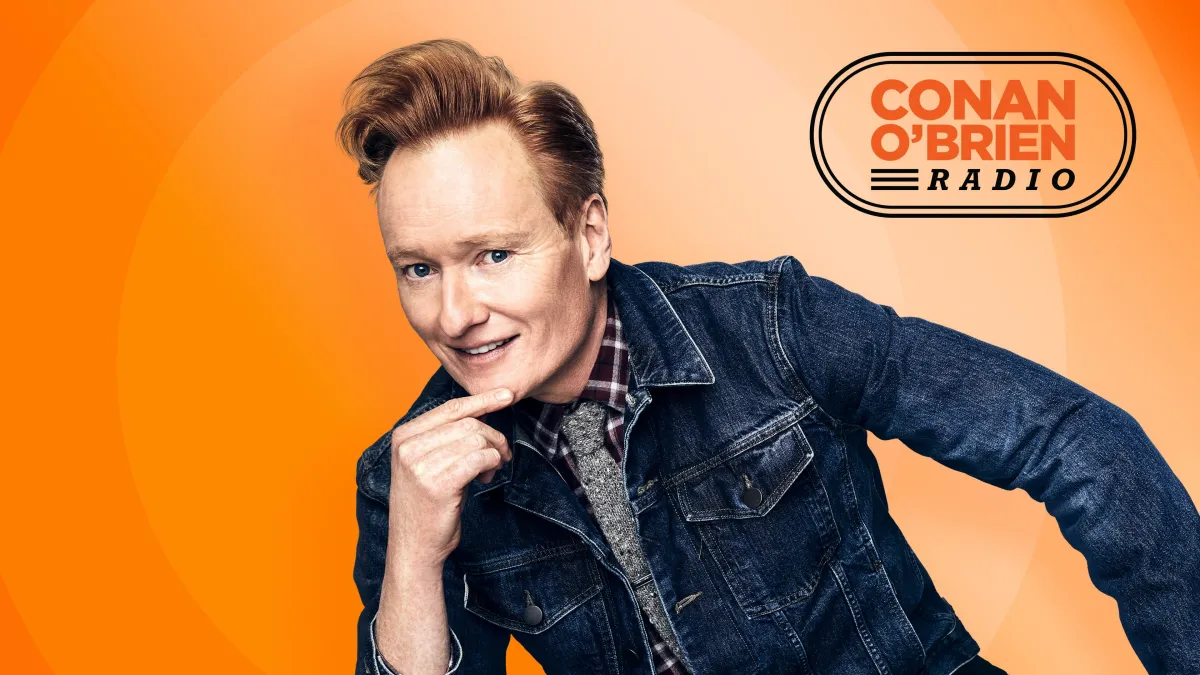 Photo: Conan O'Brien, via blog-admin.siriusxm.com
What This Says About the Difference Between a Brand and a Voice
The celebrity podcast graveyard is, at its core, a very expensive lesson in the difference between a celebrity brand and a creative voice. A brand is transferable — it's the name recognition, the social following, the cultural cachet that makes a first episode download spike. A voice is something else entirely. It's a specific perspective, a way of processing the world, a reason for someone to spend forty-five minutes with you on a Tuesday commute when they have approximately ten thousand other options.
Most celebrities have a brand. Fewer have a voice in the audio sense. And the podcast medium is uniquely unforgiving about the distinction because it strips away almost everything that makes a celebrity compelling in other contexts — the visual presence, the performance, the carefully edited image — and asks a much simpler, much harder question: Are you actually interesting to listen to?
The graveyard keeps growing because the checks keep being written and the assumption keeps not being examined. But somewhere in the wreckage, there are also genuinely good shows being made by people who understood what they were signing up for — and those ones, quietly, are still publishing new episodes every week.
Fame gets you the launch; everything after that, you actually have to earn.