Talk Is Cheap — Unless You're Famous: The Real Reason Every Celebrity Now Has a Podcast
Talk Is Cheap — Unless You're Famous: The Real Reason Every Celebrity Now Has a Podcast
Somewhere between their third Netflix deal and their fourth brand partnership, a celebrity sits down in a professionally soundproofed studio, slaps on a pair of Beats headphones, and tells their producer to hit record. They laugh a little too casually. They drop an 'off-the-cuff' revelation about their childhood. They call it a passion project. They call it real talk. They call it, with a completely straight face, their way of finally connecting with fans without a filter.
They do not mention the licensing deal, the distribution agreement, or the team of publicists who pre-approved every topic on the run sheet.
Welcome to the Celebrity Podcast Era — where the illusion of access has never been more carefully constructed, or more lucratively packaged.
How We Got Here
The podcasting boom didn't start with celebrities. It started with nerds in basements, true crime obsessives, and comedians who couldn't get a TV deal. But by the late 2010s, the format had done something remarkable: it had become prestigious. Spotify's reported $100 million deal with Joe Rogan in 2020 changed the conversation overnight. Suddenly, a microphone wasn't a consolation prize — it was a power move.
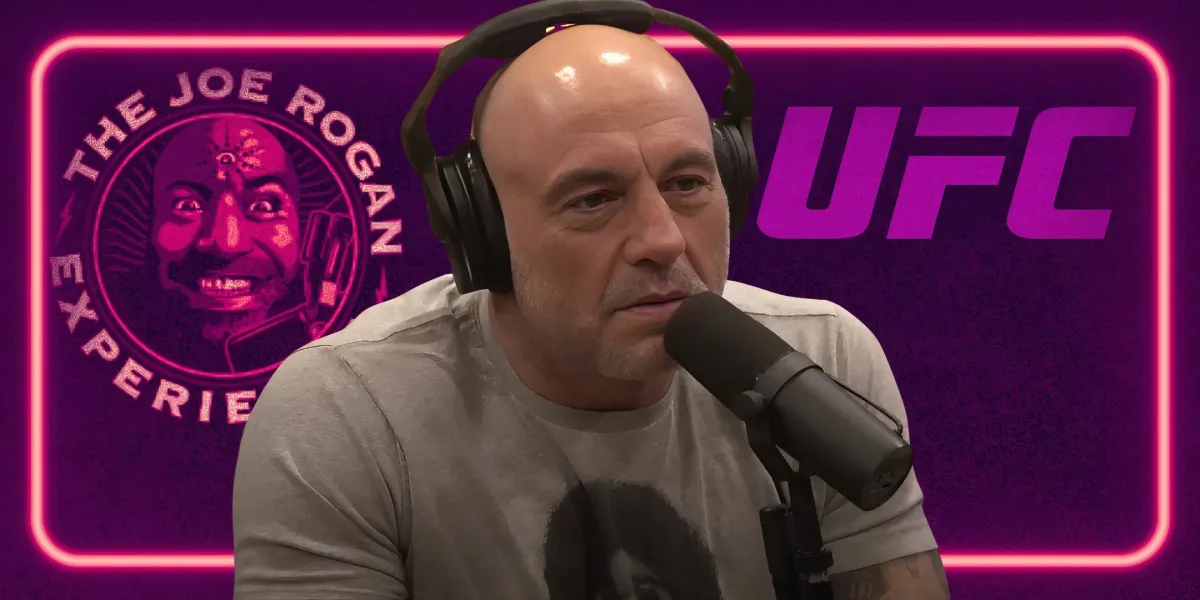 Photo: Joe Rogan, via static0.thethingsimages.com
Celebrities noticed. Fast.
Dax Shepard's Armchair Expert — which launched in 2018 and has pulled in hundreds of millions of downloads — was arguably the first major proof of concept that a famous person could use long-form audio to completely reframe their public image. Shepard, best known as Kristen Bell's husband and the guy from Parenthood, turned himself into one of the most respected interviewers in the podcast space. He went deep. He got vulnerable. He made his guests feel safe enough to say things they'd never say on a press junket.
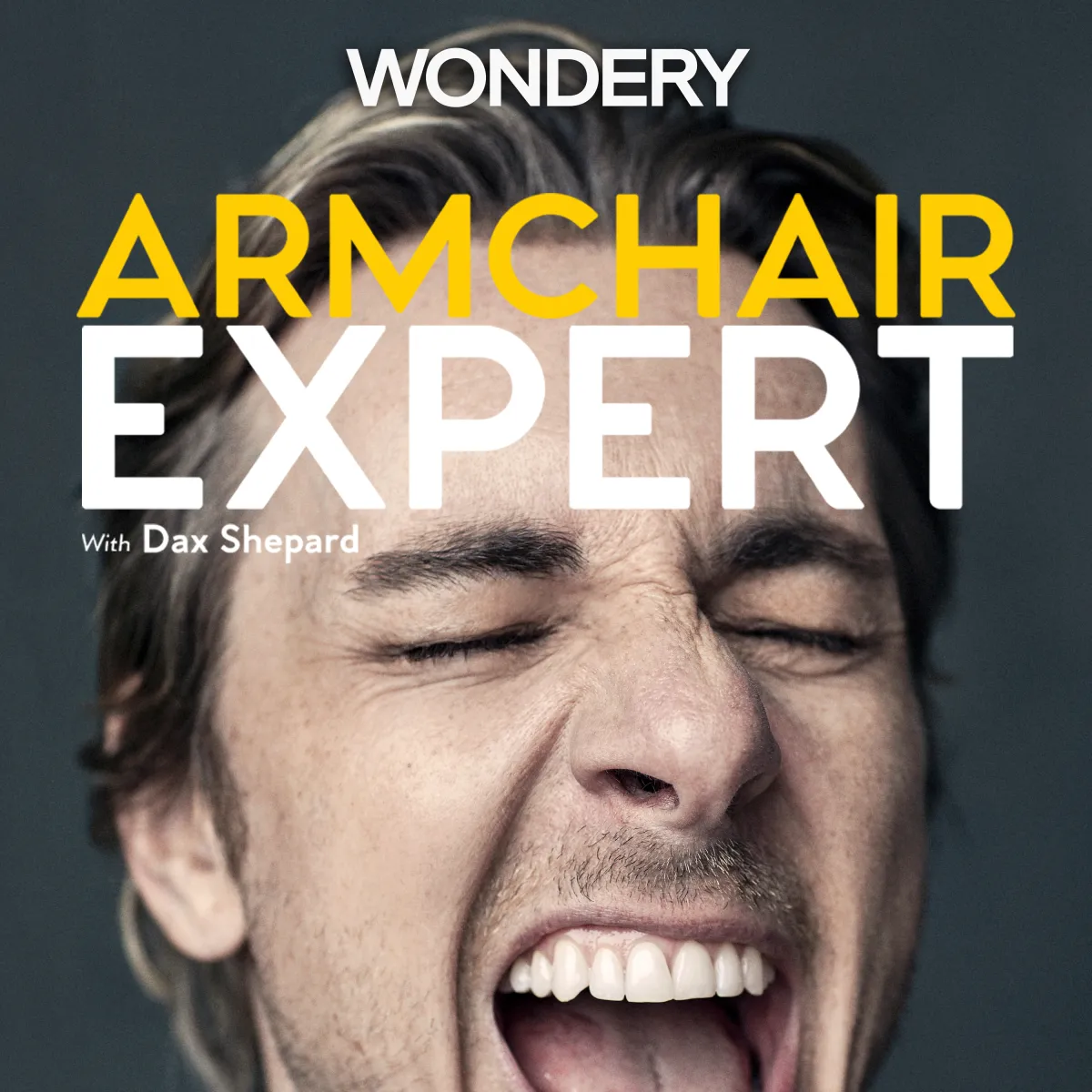 Photo: Dax Shepard, via content.production.cdn.art19.com
And other celebrities watched that and thought: I want that.
Since then, the list of celebrity podcasters has become almost comically long. Gwyneth Paltrow (The Goop Sessions). Conan O'Brien (Conan O'Brien Needs a Friend, which, to be fair, is genuinely excellent). Oprah. LeBron James. Snoop Dogg. Brené Brown, who straddled the line between celebrity and academic so effectively she became both. Kim Kardashian briefly flirted with audio content. Meghan Markle launched Archetypes on Spotify in 2022 to considerable fanfare — and considerable controversy — before the deal quietly dissolved in 2023.
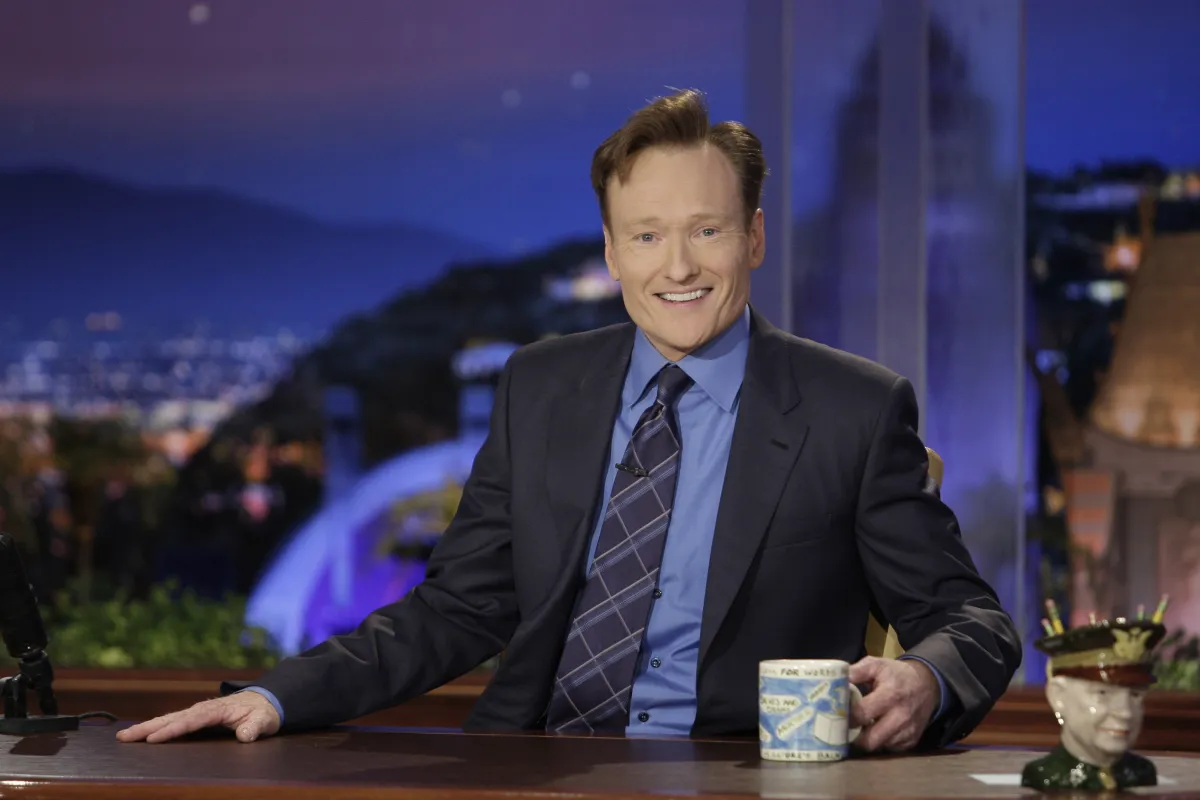 Photo: Conan O'Brien, via nypost.com
Every single one of them used the word authentic in the launch announcement. Every single one.
The Control Variable Nobody Talks About
Here's the thing traditional media outlets don't love admitting: the celebrity podcast is, at its core, a press junket where the celebrity holds the scissors.
In a conventional interview — whether that's The Tonight Show, a Vogue cover profile, or a sit-down with The Hollywood Reporter — there are gatekeepers. Editors who cut quotes. Journalists who ask follow-up questions the publicist didn't approve. Hosts with their own agendas. The celebrity is always, to some degree, a guest in someone else's house.
On their own podcast? They own the house. They book the guests. They control the edit. They decide what airs, what gets cut, and — crucially — how they come across in every single exchange. A fumbled answer doesn't make the final cut. An awkward silence gets smoothed over in post. A revelation that plays well gets clipped into a 45-second Instagram Reel that goes viral by Tuesday morning.
This is not cynicism. This is just the architecture of the format.
Entertainment industry insiders have noted — often off the record, for obvious reasons — that the podcast has effectively replaced the traditional celebrity profile for stars who've had bad experiences with print journalism. Why sit across from a reporter who might bring up your 2019 controversy when you can invite a friendly fellow celebrity onto your show, trade warm anecdotes for ninety minutes, and call it a candid conversation?
The Parasocial Upgrade
Beyond narrative control, there's another engine driving this trend: parasocial intimacy at scale.
Audio is uniquely powerful in this regard. Research has consistently shown that listeners develop stronger feelings of personal connection with podcast hosts than with television personalities — something about the voice in your ear while you're doing the dishes creates a sense of closeness that a screen can't replicate. Celebrities have figured this out. A podcast isn't just a content platform. It's a loyalty mechanism.
If you've spent 200 hours listening to a celebrity talk about their divorce, their sobriety, their complicated relationship with their mother, and their strong opinions about cold plunges — you are not going to turn on them when a bad headline drops. You know them. Except, of course, you know exactly the version of them they chose to share.
That's not connection. That's a very sophisticated product.
When It Actually Works
To be fair — and RippleFame is always fair, even when we're being a little shady — some celebrity podcasts are genuinely great.
Conan O'Brien's pivot from late-night dinosaur to podcast icon is one of the more charming reinvention stories in recent entertainment history. His show is funny, self-deprecating, and weirdly moving. It doesn't feel like a control strategy. It feels like a man who genuinely missed talking to people after his show ended.
Similarly, Dax Shepard has done interviews — with Monica Padman, his co-host, and with guests ranging from Prince Harry to Anthony Fauci — that produced genuinely newsworthy moments. The format, when a celebrity actually commits to it with intellectual curiosity rather than brand management, can be remarkable.
The problem is that for every Armchair Expert, there are seventeen vanity pods that lasted eleven episodes before quietly disappearing from the feed, their Spotify banners still live somewhere in a digital graveyard, promising real conversations that never quite materialized.
What Happens Next
The celebrity podcast bubble isn't going to burst so much as it's going to stratify. The stars who are genuinely good at long-form conversation — who are curious, funny, and willing to occasionally look bad — will build real audiences and real cultural footprints. The ones who are using the format as a press release delivery system will quietly fade out when the licensing money runs dry.
Spotify's high-profile pullback from several celebrity podcast deals in 2023 — including Meghan Markle's Archetypes and a number of other big-name contracts — suggested that even the platforms are getting more discerning. Audience numbers don't lie, and listeners, it turns out, can tell the difference between someone who actually wants to talk and someone who wants to be seen talking.
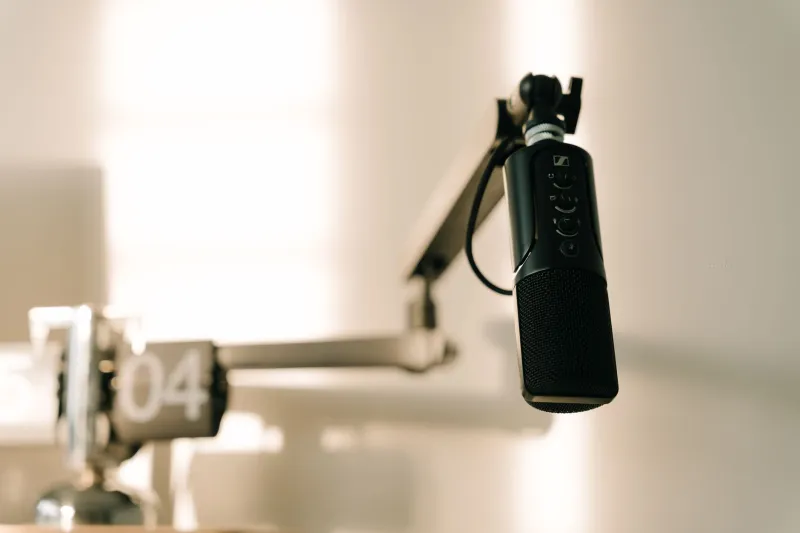
The microphone is neutral. What you do with it is the tell.
If your celebrity podcast doesn't have a single episode where the host looks even slightly uncomfortable, it's not a conversation — it's a press release with background music.